Base Metals

Almonty Industries Signs Binding Tungsten Partnership With Rwanda's Government


By: OrePulse
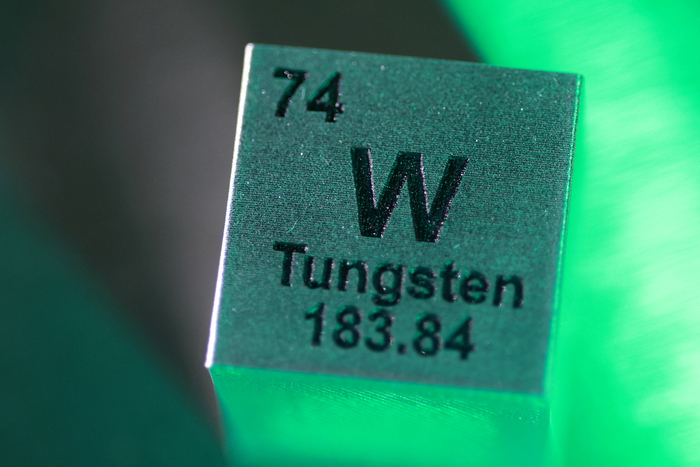
Almonty Industries Inc., a US-based mining company headquartered in Dillon, Montana, has signed a binding agreement with Rwanda's government to develop tungsten sourcing and processing operations in the country, as part of a broader Western effort to reduce dependence on Chinese-controlled tungsten supply chains.
Under the deal, Rwanda's government will acquire a 25% ownership stake in a local Almonty operating unit, with Almonty retaining the remaining 75%. In return for that stake, Rwanda is putting forward an exploration concession along with a processing license. The US government provided structural support and political backing for the arrangement but is not providing direct funding.
Instead of spending years building new mining infrastructure from the ground up, the venture intends to begin sourcing ore, pre-concentrate and tailings right away, drawing on Rwandan producers that already hold licenses, including small-scale miners. A mobile processing unit will operate near existing tailings dams while the partners develop a permanent collection and processing facility.
Almonty CEO Lewis Black said the company intends to work only with legitimate, licensed sources. "Traders can play with the pirates. We're only interested in licensed domestic output," Black said. The venture aims to formalize Rwanda's mining sector while ensuring output meets Western standards for labor practices, environmental compliance and supply chain traceability.
Tungsten produced through the venture will be distributed to customers in the United States, Europe, Japan and South Korea. The metal is essential for armor-piercing weaponry and semiconductor manufacturing, and demand has intensified as governments and manufacturers work to diversify away from Chinese supply. China controls most global tungsten production and processing. Its export restrictions, implemented in February 2025, together with rising military demand, have pushed prices up more than eightfold, to nearly $3,000 per metric ton.
Among the world's ten largest tungsten producers, Rwanda stands alone as the only African nation. Trinity Metals runs the Nyakabingo mine, widely cited as Africa's largest tungsten operation; the site has sent more than 320 tons of concentrate to a Pennsylvania processing facility over the past year, covering roughly 20% of US primary tungsten concentrate demand.
The venture still faces significant challenges in ensuring material sourced from Rwanda's fragmented small-scale mining sector meets international standards. Rwanda has also faced allegations that tungsten smuggled from the neighboring Democratic Republic of Congo and Burundi is funneled through its supply chain and shipped out as Rwandan-origin material — a reputational risk the new venture's traceability requirements are intended to address.
That price surge has made securing non-Chinese supply a higher priority for manufacturers in the defense and semiconductor sectors. By locking in a government-backed sourcing arrangement rather than relying solely on new mine construction, Almonty and Rwanda are positioning the venture to bring material to market faster than a conventional greenfield mining project would allow.
For Rwanda, the arrangement builds on the existing role of Trinity Metals' Nyakabingo mine as a supplier to the US market, adding a government equity stake and a second, government-backed sourcing channel alongside that established operation. For Almonty, the deal provides a mechanism to formalize purchases from small-scale producers who currently sell through informal channels, bringing that output under a licensing and traceability framework intended to satisfy buyers in the US, Europe, Japan and South Korea that its Rwandan tungsten is not connected to smuggled or conflict-linked material from neighboring countries.
Almonty operates similar tungsten projects elsewhere, including a major mine it is ramping up in South Korea, along with facilities in Portugal, Spain and the United States. The Rwanda agreement adds a new sourcing region to that international portfolio, while giving Rwanda's government a direct equity stake in the processing side of a mineral it already produces.
Related Articles
Aluminium price surge will depend on length of Str...
03 Mar, 2026 06:53
Copper 360 confirms board changes...
03 Mar, 2026 07:47
Iran conflict disrupts China's Middle East steel e...
03 Mar, 2026 08:26
Emirates Global Aluminium's annual profit rises as...
03 Mar, 2026 08:42
Tumas Uranium Project technically ready for develo...
03 Mar, 2026 11:56
PDAC: Secure uranium sources key to fixing supply ...
04 Mar, 2026 10:42
DRC Mining Week Returns to Africa’s Largest Copper...
04 Mar, 2026 11:38
URU begins ground-based geophysical programme at S...
05 Mar, 2026 07:48
MMG eyes copper deals as profit more than triples...
05 Mar, 2026 08:46