
Metal Markets

UAE gold prices rise as global rates inch up to above $4,244 ahead of Fed verdict


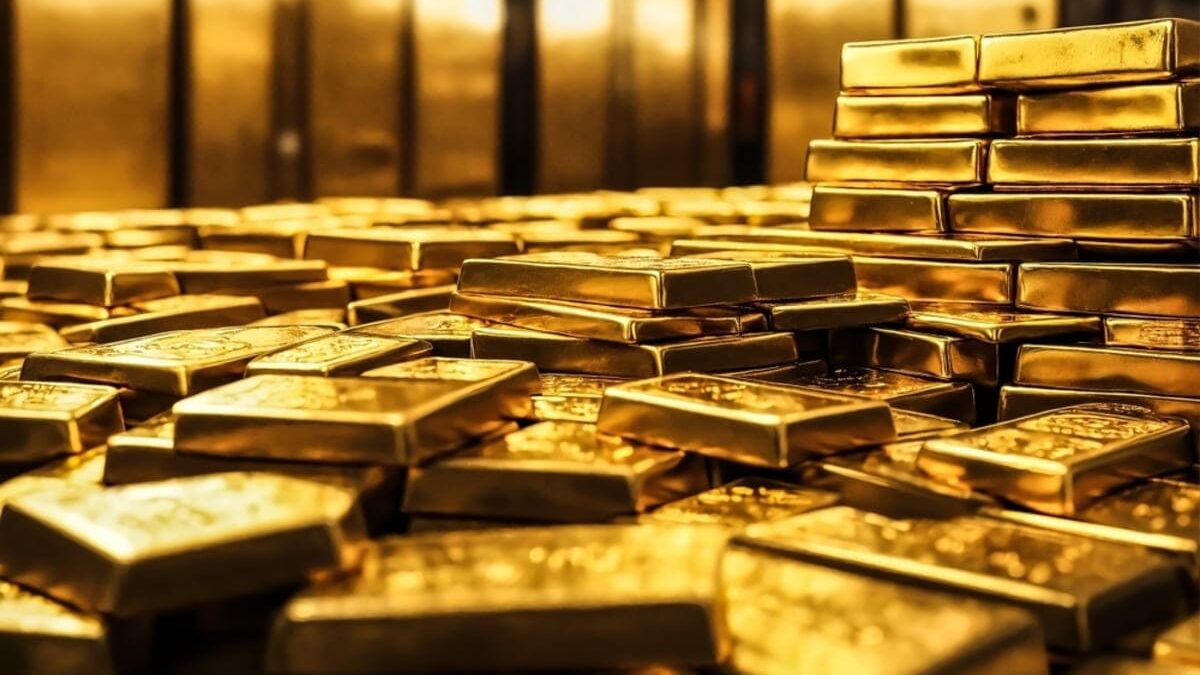
Gold prices edged higher on Wednesday, with spot gold trading around $4,215.61 per ounce as markets braced for the U.S. Federal Reserve‘s interest rate decision later in the day, while silver rocketed past $60 to new all-time highs driven by industrial demand and supply constraints.
Gold futures opened at 06:06 GMT at $4,244.70, marking a modest 0.2 percent gain from the previous close, with the day’s range spanning $4,230 to $4,247.9 amid low volume of 23,291 contracts. This cautious uptick reflects investor positioning ahead of the Fed’s policy verdict, where a 25 basis-point rate cut to 3.75 percent to 4.00 percent is widely anticipated at 88 percent odds, though hawkish jobs data tempers aggressive easing bets for 2026.
In the UAE, gold rates saw a slight rise, with 24-carat, 22-carat, 21-carat, 18-carat, and 14-carat gold increasing by AED0.50 each, bringing their prices to AED506.75, AED469.25, AED450.00, AED385.75, and AED300.75, respectively.
Silver’s explosive momentum
Meanwhile, silver surged over 1.74 percent to $61.4 per ounce. The rally stems from widening supply deficits, as mine output trails booming use in solar panels, electric vehicles, and electronics, triggering physical squeezes.
Silver’s breach above $60 caps a stellar year, fueled by its dual role: over 50 percent industrial consumption versus gold’s monetary focus. Persistent deficits, exacerbated by green energy transitions, have amplified futures volatility, with physical premiums rising in Asia and key markets like India.
Forecasts point to elevated prices into 2026 if supply lags persist, positioning silver as a high-beta play on rate cuts and tech demand. In the Middle East, growing interest in silver aligns with regional tech supply chains and economic diversification efforts.
Upcoming Fed decision
The Federal Reserve’s final 2025 meeting dominates sentiment, with Chair Jerome Powell’s press conference expected to clarify the path amid resilient U.S. labor markets—October JOLTS openings hit 7.67 million—and tariff inflation risks under President Donald Trump. Markets eye updated dot plots for 2026 projections, balancing affordability strains against policy restraint signals.
Central bank demand bolsters gold, highlighted by China’s 13th consecutive monthly reserve build to 74.12 million ounces, amid de-dollarization and U.S.-China tensions. A dovish tilt could push gold toward $4,465 within a year, while hawkish cues might stall momentum near current levels.
Gold’s broader supports
Gold’s resilience near $4,237 follows an October peak of $4,398, backed by ETF inflows, Asian physical buying, and haven flows from equities amid credit worries. In India, 24-karat gold hovered at INR12,943 per gram, shaped by duties and festivals, while GCC investors hedge oil swings and fiscal reforms with bullion.
A dollar index near 99 and softening yields enhance appeal, with Middle Eastern sovereign funds diversifying amid commodity volatility. Year-highs reflect 2025’s macro shifts, from rate cycles to geopolitics.
Easing rates lower holding costs for non-yielding metals, diverting funds from tariff-exposed stocks, while silver’s industrial edge contrasts gold’s safe-haven core—global central bank holdings up 10 percent this year. Post-Fed trading promises volatility, with Powell’s inflation and growth tone critical.
In the Middle East, gold stabilizes portfolios amid GCC infrastructure booms and oil dynamics, as silver gains in solar and EV projects. Geopolitical overlays, including U.S. data delays, sustain bids. Analysts target gold at $4,300 post-cut, silver $65 if squeezes hold, with Asian premiums and jobs data as watchpoints.
Related Articles

Saudi Arabia champions global partnerships to powe...
21 Oct, 2025 06:51
Can Turkey Become a Rare Earth Element Power?...
23 Oct, 2025 13:24
Orion Minerals Set to Develop Secure, Responsible,...
23 Oct, 2025 14:12
Investing in Platinum Stocks...
24 Oct, 2025 06:56
Copper And Aluminum Prices Climb As Supply Worries...
24 Oct, 2025 07:09
Dubai 24-carat gold prices dip AED3.75 as global r...
24 Oct, 2025 12:06
Bauxite sales up but tariffs on Chinese metal ship...
27 Oct, 2025 13:15
Angola bids for majority stake in De Beers, source...
28 Oct, 2025 07:02
Dubai 24-carat gold price today drops AED479; glob...
28 Oct, 2025 08:15