
Metal Markets

UAE gold prices dip to AED508.25, global rates retreat as U.S. Treasury yields rise ahead of key economic data


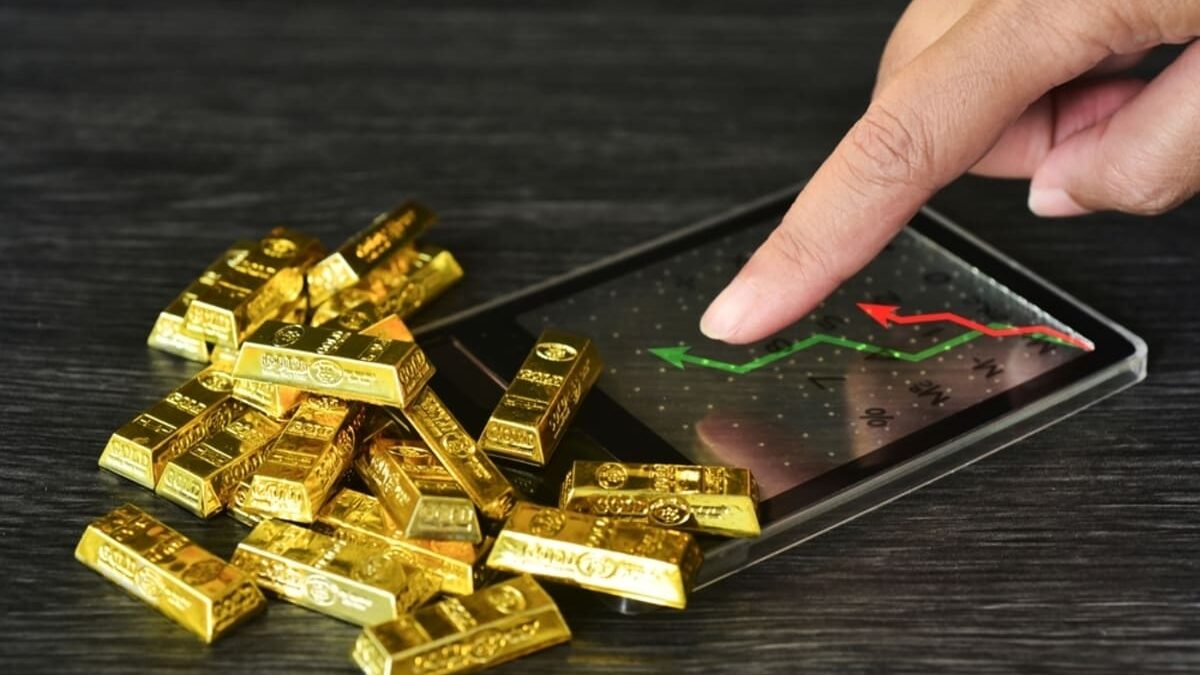
Gold prices decreased on Tuesday, influenced by higher U.S. Treasury yields and investors’ anticipation of critical economic data from the U.S., retreating from recent six-week highs.
In the UAE, gold rates experienced a drop during the celebration of the UAE National Day holiday. The rates for 24-carat gold decreased by AED3.50 to AED508.25, while 22-carat gold fell AED3.00 to AED470.75. Similarly, 21-carat gold and 18-carat gold dropped AED3.00 and AED2.75, settling at AED451.25 and AED386.75 respectively. Meanwhile, 14-carat gold was priced at AED301.50.
U.S. futures report losses
Globally, spot gold dropped 0.77 percent to $4,208.63 per ounce, while U.S. gold futures for December delivery fell 0.83 percent to $4,239.50 per ounce. The increase in benchmark 10-year Treasury yields, nearing two-week highs, raised the opportunity cost of holding non-yielding gold, further contributing to the price decline ahead of significant U.S. employment and inflation reports set for later this week.
The 10-year U.S. Treasury yield, a key global market benchmark, rose to approximately 4.35 percent in early trading, reflecting renewed expectations of robust U.S. growth following President Trump’s pro-business policies. The inverse relationship between yields and gold—where rising yields enhance the appeal of interest-bearing assets—has historically limited gold’s potential, with a strong long-term correlation coefficient of -0.82. Traders remarked that real yields, adjusted for inflation, heightened the pressure, as negative real rates in previous months had supported gold’s rise to over $4,380 in October.
Similarly, silver prices fell by 2.77 percent or $1.62 to $56.94.
Stability in Indian gold prices
In India, a key consumer market, 24-carat gold prices remained stable due to consistent local demand, trading near INR130,490 per 10 grams in major cities like Mumbai and Kolkata. In Delhi, prices reached INR130,640 per 10 grams, while Chennai saw prices of INR131,680, buoyed by wedding season demand and import duties that shield local prices from international fluctuations. Silver prices also rose slightly to INR188,100 per kilogram in major metropolitan areas, benefiting from seasonal demand, although international silver decreased by about 1 percent to $57.40 per ounce, mirroring gold’s decline.
These regional trends underscore gold’s dual role as a global safe haven and a cultural staple in Asia. India’s physical gold demand, representing around 25 percent of global consumption, often diverges from COMEX trends during festive periods, with jewelers reporting steady customer traffic despite elevated prices. MCX December gold futures fluctuated around INR130,725, reflecting cautious optimism as exporters anticipated potential dollar weakness.
Rally driven by Federal Reserve signals
The recent decline follows a rally that saw gold prices reach a six-week peak, propelled by dovish cues from the Federal Reserve and softer U.S. economic data revealed after the government shutdown. On Monday, spot gold had climbed 0.47 percent to $4,237.82, driven by ETF inflows and central bank purchases as countries diversified their reserves amidst U.S.-China trade tensions. This momentum was bolstered by ongoing geopolitical uncertainties, trade issues, and inflation concerns globally, sustaining high investment demand for the precious metal this year.
Geopolitical factors, including tensions in the Middle East and escalations in the Russia-Ukraine conflict, at times have overridden traditional yield-gold relationships, with both assets appreciating during periods of uncertainty. Gold’s nearly 60 percent year-to-date appreciation—its most significant gain since 1979—resulted from central banks purchasing over 1,000 tonnes in 2025, coupled with a retail surge in emerging markets. However, profit-taking became evident as yields stabilized, as indicated by volume fluctuations on the COMEX.
Focus on upcoming U.S. economic data and Fed projections
Cautious trading in gold was observed as investors awaited key U.S. economic reports this week, including non-farm payrolls on Friday and consumer price inflation data mid-week, which are critical for predicting future Federal Reserve policy changes. The market is pricing in a 75 percent likelihood of a 25-basis-point rate cut in March, but strong payroll figures could temper easing expectations, potentially driving yields higher. Additionally, the dollar’s strength, increasing 0.3 percent to 98.50 on the DXY index, exerted additional pressure on gold, making it more expensive for holders of foreign currencies.
Central bank acquisitions and inflows into gold-backed ETFs have been supporting prices, with SPDR Gold Shares holdings climbing 2 percent last week. These inflows help counteract headwinds from rising yields, as institutions hedge against inflation concerns tied to Trump’s tariff proposals, which could add 1-2 percent to CPI. In the Gulf region, central banks in the UAE and Saudi Arabia have continued modest buying, aligning with diversification strategies amid fluctuating oil prices.
Positive sentiment amid inflation
Analysts suggest that while technical indicators may point to a short-term consolidation or correction, the broader outlook for gold remains positive if inflation persists and the Fed leans towards easing monetary policy. The RSI at 65 indicates diminishing momentum, with support levels at $4,200-$4,100 and resistance around $4,300; a drop below these levels could target $4,000. Goldman Sachs predicts a target of $4,500 by mid-2026, driven by sustained ETF demand, while bearish views from Macquarie highlight risks associated with yield normalization.
Factors such as renewed geopolitical tensions or further stimulus in major economies like China could reignite safe-haven demand. China’s potential infrastructure initiatives, suggested during recent Politburo meetings, may enhance imports via Hong Kong. Meanwhile, physical demand in key Asian markets continues to be robust as the festive season approaches, with Diwali and Christmas jewelry sales in India and Thailand providing a supportive floor.
Future performance influences
Looking ahead, gold’s performance will largely depend on the interplay of yields, monetary policy, and prevailing risks. Historical trends indicate that gold tends to thrive in low-real-yield environments, as observed post-2008 when negative rates drove prices to $1,900. Current elevated yields—surpassing 2024 averages—are testing this resilience, but Trump’s reelection has introduced tariff-related inflation, unexpectedly supporting gold prices.
For investors in the Middle East, gold ETFs through the Dubai Gold Exchange provide an opportunity amid regional growth. GCC sovereign funds, holding substantial bullion, view it as a safeguard against oil dependency. While volatility persists, debates surrounding allocations intensify given gold’s annual returns, which exceed those of bonds.
In physical markets, premiums have stabilized at $10-15 over spot prices in London, signifying balanced supply, with LBMA vault stocks at multi-year highs. Miners like Newmont have experienced a 1 percent gain, though junior miners are lagging due to exploration costs.
Related Articles

Saudi Arabia champions global partnerships to powe...
21 Oct, 2025 06:51
Can Turkey Become a Rare Earth Element Power?...
23 Oct, 2025 13:24
Orion Minerals Set to Develop Secure, Responsible,...
23 Oct, 2025 14:12
Investing in Platinum Stocks...
24 Oct, 2025 06:56
Copper And Aluminum Prices Climb As Supply Worries...
24 Oct, 2025 07:09
Dubai 24-carat gold prices dip AED3.75 as global r...
24 Oct, 2025 12:06
Bauxite sales up but tariffs on Chinese metal ship...
27 Oct, 2025 13:15
Angola bids for majority stake in De Beers, source...
28 Oct, 2025 07:02
Dubai 24-carat gold price today drops AED479; glob...
28 Oct, 2025 08:15