Metal Markets

UAE gold prices dip to AED504.50 as global rates hover near $4,182 ahead of Fed decision


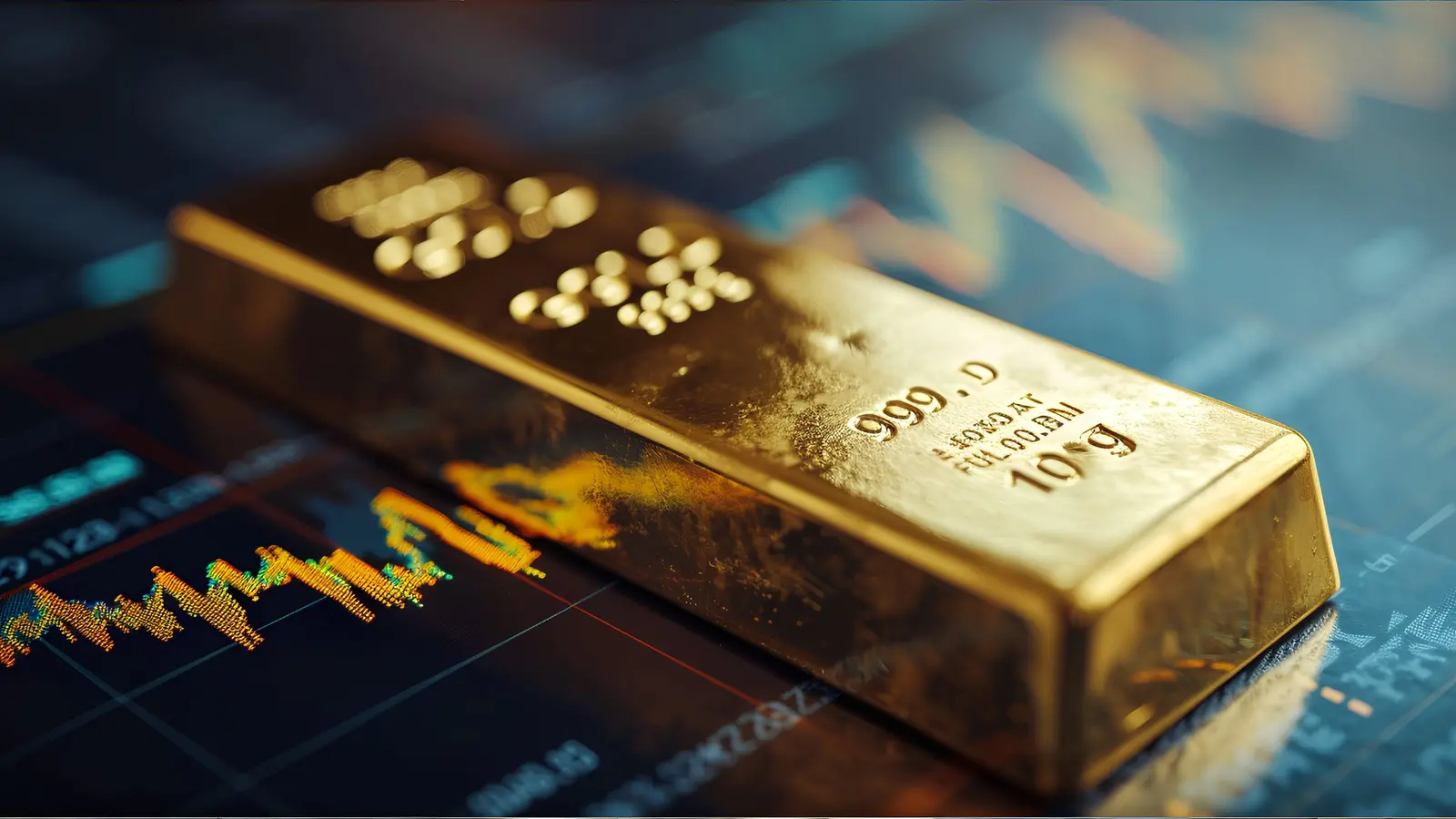
Gold prices remained stable early Tuesday, hovering around $4,200 per troy ounce as investors positioned themselves ahead of the U.S. Federal Reserve‘s policy decision later in the week. Spot gold traded near $4,181.94, reflecting a minor dip of about 0.18 percent from the previous session, while year-to-date gains approached 58 percent. Additionally, U.S. gold futures witnessed a slight decrease by 0.17 percent to $4,210.65 per ounce.
Markets braced for a potentially hawkish tone from the Fed, balancing expectations of a rate cut against concerns over persistent inflation and economic projections.
In the UAE, gold rates experienced a decline, with 24-carat and 22-carat gold dropping by AED1.75, bringing their prices to AED504.50 and AED467.00, respectively. Furthermore, 21-carat gold fell by AED1.50 to AED448.00, while 18-carat gold decreased by AED1.25 to AED384.00.
This steadiness came after a volatile month where gold touched all-time highs above $4,380 in October, driven by escalating geopolitical tensions in the Middle East and renewed trade frictions under President Trump’s administration. Investors viewed the precious metal as a critical safe-haven asset, particularly with ongoing conflicts in Ukraine and the Levant amplifying global risk premiums. The dollar’s mild softening overnight, down 0.2 percent against a basket of currencies, further cushioned prices, highlighting gold’s inverse correlation with the greenback.
Meanwhile, silver remained flat at $58.04.
Fed meeting looms large
Traders eyed the Fed’s final meeting of 2025, with an 88 percent probability priced in for a 25 basis point cut to the federal funds rate range of 3.75 percent-4.00 percent. Recent U.S. data, including mixed employment figures and core inflation aligning with forecasts, bolstered calls for easing, yet officials’ updated 2026 projections could signal caution on further cuts. The upcoming JOLTS job openings report on Tuesday served as the last key labor indicator before the announcement, potentially influencing short-term sentiment.
A hawkish surprise—such as upward revisions to inflation forecasts or fewer projected cuts in 2026—could propel the dollar higher and yields up, pressuring non-yielding assets like gold. Conversely, confirmation of three cuts next year might extend the rally, as lower real yields enhance gold’s attractiveness. Fed Chair Jerome Powell’s post-meeting press conference on Wednesday would offer critical clues, with markets dissecting every word for hints on the pace of monetary normalization amid Trump’s fiscal expansion plans.
A softer U.S. dollar provided some support, countering intraday pressures and underscoring gold’s role as a hedge against currency fluctuations and geopolitical risks. Year-over-year, gold’s surge of nearly 60 percent highlighted its appeal amid inflation worries and global uncertainties. This performance outpaced major equities and bonds, underscoring gold’s diversification benefits in portfolios strained by volatile energy prices and supply chain disruptions.
Global central bank activity boosts demand
China’s central bank added to its gold reserves for the 13th straight month, reaching approximately 74.12 million troy ounces, reinforcing long-term bullish trends in official sector buying. Major producers like China, Australia, and the U.S. continued to dominate supply, while consumers including India, China, and Saudi Arabia drove jewelry and investment demand. Such purchases offset potential headwinds from higher yields if the Fed adopts a less dovish stance.
Central banks worldwide snapped up over 1,000 tonnes of gold in 2025 so far, eclipsing prior records and accounting for a third of total demand. Russia’s diversification away from dollar assets and India’s push for rupee internationalization amplified this trend, with emerging markets viewing gold as insurance against sanctions and currency wars. These flows provided a floor under prices, even as commercial hedgers increased short positions in futures markets.
In the Middle East, Gulf sovereign wealth funds ramped up allocations, with Saudi Arabia and the UAE citing de-dollarization strategies amid OPEC+ production cuts. This regional demand surge aligned with broader MENA economic resilience, where gold imports rose 15 percent year-on-year despite high prices, fueled by wedding seasons and investment bars.
Gold’s paused progress
Spot gold’s consolidation near $4,200 marked a pause after a 2 percent weekly decline, with technical indicators showing neutral RSI at 55 and support at the 50-day moving average of $4,150. Futures on Comex reflected similar poise, with open interest steady at 500,000 contracts. Silver mirrored gold’s path, trading at $32.50, up 45 percent YTD, benefiting from industrial demand in solar panels and electronics.
Forecasts from major banks diverged: JPMorgan eyed $4,300 by year-end on recession fears, while Goldman Sachs cautioned of a dip to $3,900 if yields spike. Long-term bulls pointed to supply constraints, with mine production flat at 3,600 tonnes annually against rising ETF inflows exceeding 300 tonnes quarterly.
Related Articles

Saudi Arabia champions global partnerships to powe...
21 Oct, 2025 06:51
Can Turkey Become a Rare Earth Element Power?...
23 Oct, 2025 13:24
Orion Minerals Set to Develop Secure, Responsible,...
23 Oct, 2025 14:12
Investing in Platinum Stocks...
24 Oct, 2025 06:56
Copper And Aluminum Prices Climb As Supply Worries...
24 Oct, 2025 07:09
Dubai 24-carat gold prices dip AED3.75 as global r...
24 Oct, 2025 12:06
Bauxite sales up but tariffs on Chinese metal ship...
27 Oct, 2025 13:15
Angola bids for majority stake in De Beers, source...
28 Oct, 2025 07:02
Dubai 24-carat gold price today drops AED479; glob...
28 Oct, 2025 08:15