Generation

The bottleneck holding back renewable energy for South African businesses


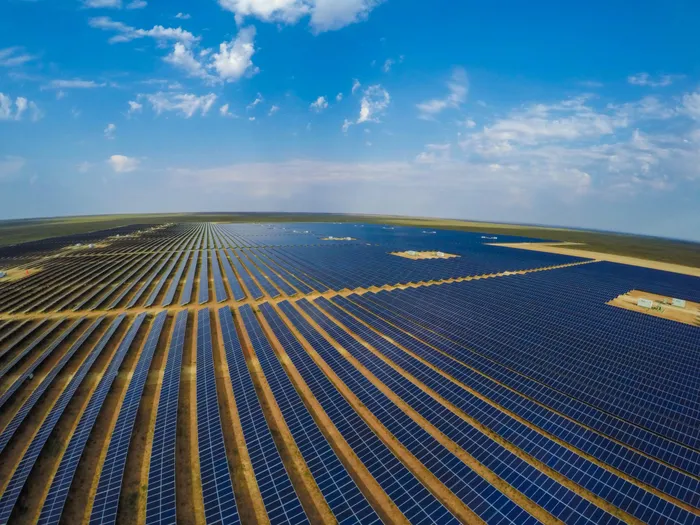
Distributed or onsite renewable energy generation—including commercial and industrial systems installed at factories, mines, and other large energy users—operates as the quiet workhorse of South Africa’s energy transition. These systems, typically solar PV installations ranging from a few kilowatts to tens of megawatts, often paired with battery storage, deliver reliable power directly to businesses, alleviate strain on the national grid, lower energy costs, reduce reliance on fossil fuels like diesel and coal, and strengthen economic resilience.
However, the rollout of these projects is being hindered by a grid-access approval process that applies the same procedural requirements to a 10 MW onsite project as it does to a 100 MW utility-scale power plant. This “one-size-fits-all” approach results in significant delays, heightened uncertainty, and rising project costs—ultimately stifling private investment at a time when it is most needed.
The primary bottleneck lies within Eskom’s Cost Estimate Letter (CEL) process. Every Eskom-connected project must obtain a CEL—a grid-connection quote detailing required infrastructure upgrades and associated costs—before proceeding. Officially, Eskom aims to issue a CEL within three months, but in practice, the timeline often extends to six to twelve months or longer due to scarce engineering resources and internal prioritization of larger projects. For a mid-scale embedded generation project at a single industrial site, this level of scrutiny is often disproportionate.
Beyond delays, the CEL process suffers from a lack of cost predictability. No public tool or guide provides developers with early indications of potential connection expenses, which can vary widely based on grid capacity and infrastructure condition. Consequently, CELs frequently arrive with unforeseen upgrade requirements that disrupt project budgets and timelines. Furthermore, the CEL’s one-year validity often clashes with lengthier permitting processes, forcing developers to proceed at risk or reapply, adding further delay and cost.
Related Articles

Parliament Committee says no need to review three ...
10 Sep, 2024 07:57
Zimbabwe’s Biggest Miners Seek $182 Million for So...
12 Sep, 2024 06:57
GreenGo Energy Expands into Namibia with Strategic...
12 Sep, 2024 07:51
OPEC Fund approves $1.2 billion for development pr...
13 Sep, 2024 08:59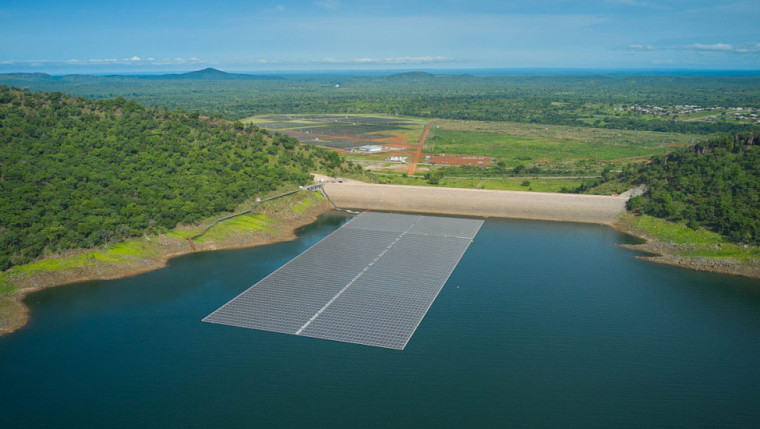
Floating solar starts to gather pace in Africa, as...
13 Sep, 2024 13:18
Prominent South African energy company files for l...
16 Sep, 2024 11:00
Libyan Export Decline and Fed Speculation Propel O...
17 Sep, 2024 08:00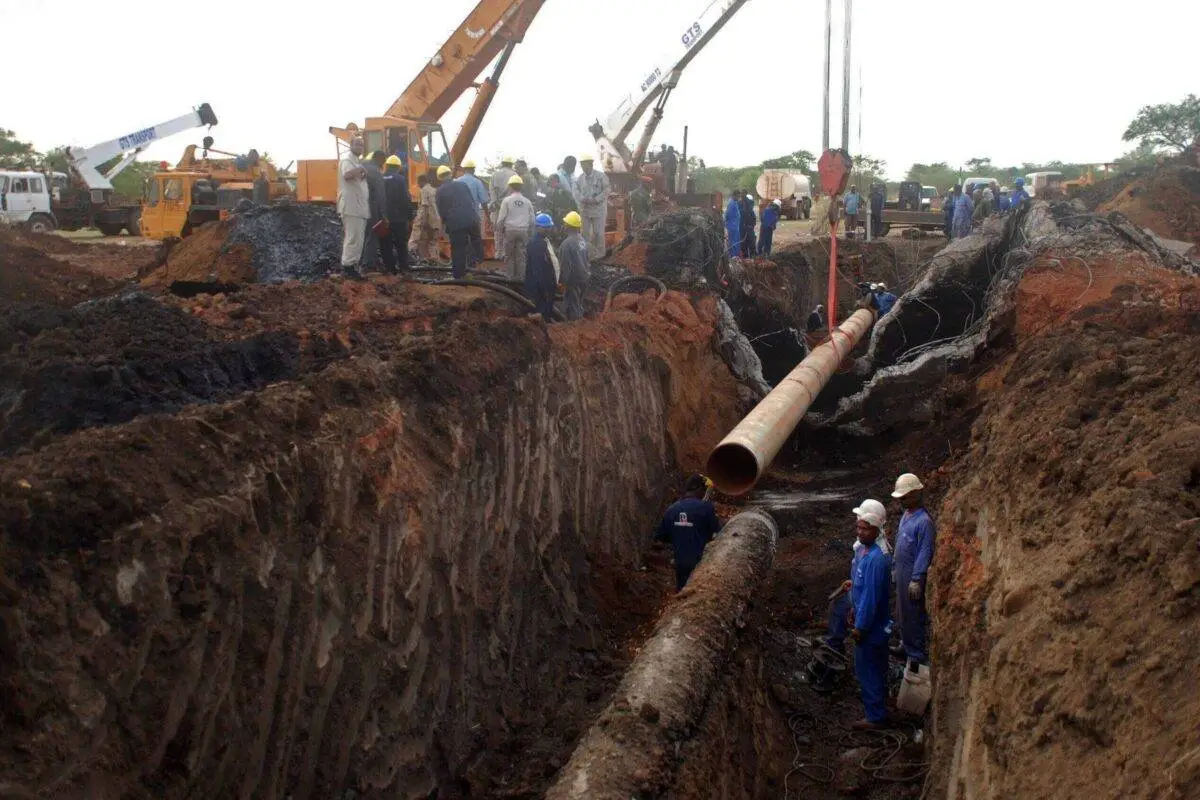
South Sudan says it is ready to restart pumping oi...
17 Sep, 2024 13:23
Interest grows in Africa’s oil and gas hotspot...
18 Sep, 2024 10:42