Generation

The Year in Review - Energy in the Middle East


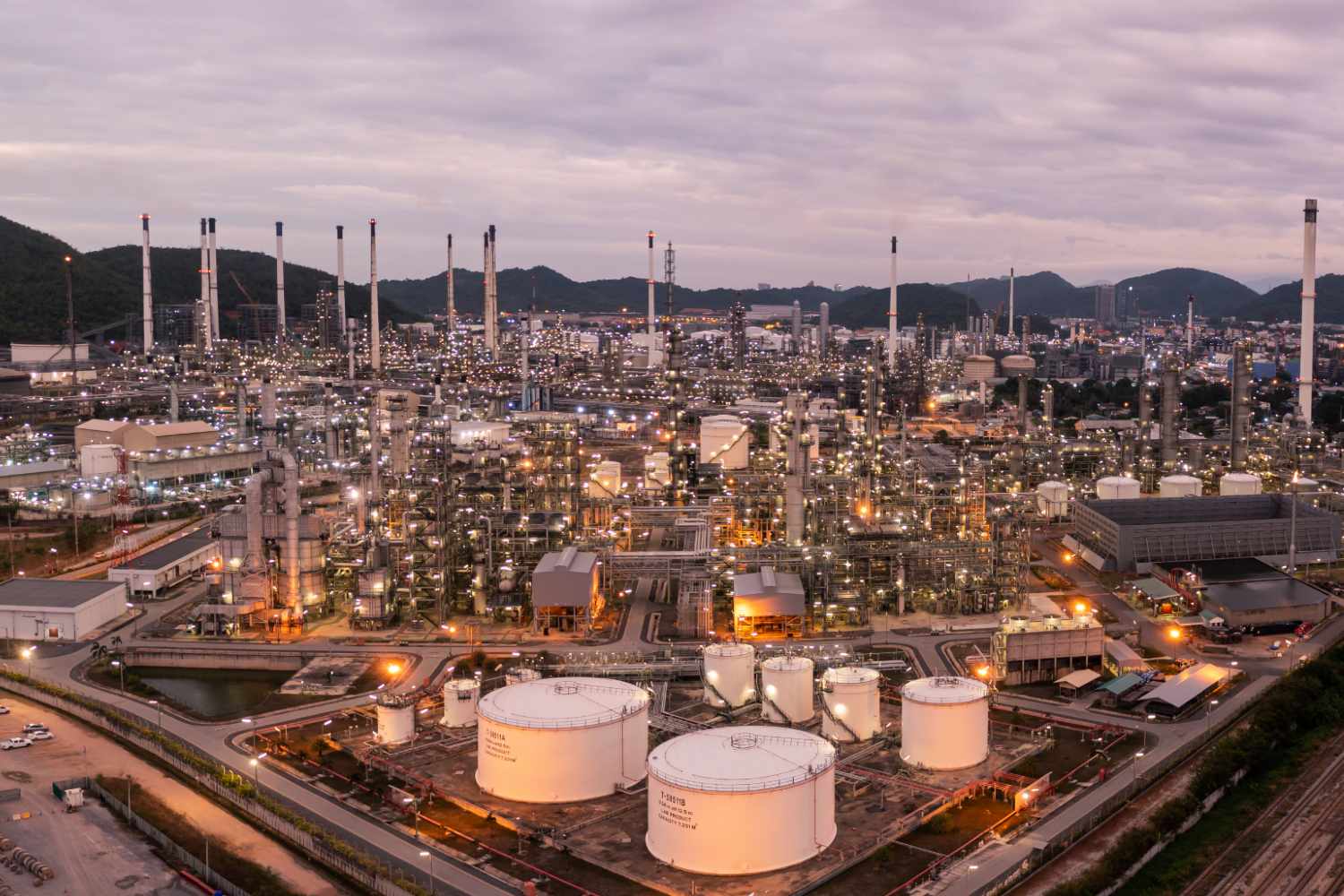
The Middle East’s energy sector demonstrated resilience in 2025, navigating a complex landscape of cooling global markets, geopolitical friction, and an uneven energy transition. The region solidified its role as a cornerstone of global supply, contributing approximately 30% of the world’s oil and 17% of its natural gas. Brent crude prices averaged in the low $70s per barrel for much of the year before softening, yet hydrocarbon revenues remained robust, underpinning regional economies.
A key success was the strategic monetization of natural gas alongside disciplined oil supply management. Qatar advanced its massive North Field expansion, targeting 142 million tons of LNG capacity annually by 2030. The UAE’s ADNOC secured $11 billion in financing for the Hail and Ghasha sour gas project, underscoring sustained investor confidence. Regional gas integration deepened, highlighted by Israel’s landmark agreement to export roughly 130 billion cubic meters of gas to Egypt through 2040.
However, the year revealed significant strains in electricity systems. Soaring demand from extreme heat, population growth, and industrial expansion outpaced capacity additions across the Middle East and North Africa. Gas continued to dominate power generation, while renewables—though progressing—only met 7–15% of regional electricity needs due to subsidies, intermittency, and regulatory hurdles. Saudi Arabia nearly doubled its renewable capacity, and the UAE advanced a major solar-plus-storage project, but these gains were incremental relative to overall demand.
Other strategic areas saw mixed results. Hydrogen ambitions faced headwinds as market demand and financing conditions grew uncertain, slowing several blue and ammonia-based projects. Geopolitically, intensified U.S. sanctions further constrained Iran’s energy exports, while Gulf states strengthened ties with China across both traditional and clean energy sectors.
As the region enters 2026, it faces a defining period. Major LNG projects are nearing completion, oil markets grapple with surplus risks, and power systems remain under pressure. The coming year will test the region’s ability to execute its gas expansion, effectively manage OPEC+ supply amid uncertain demand, and translate renewable energy announcements into reliable, grid-integrated power. The outcome will determine whether 2026 accelerates diversification or reinforces consolidation around hydrocarbons.
Related Articles

Parliament Committee says no need to review three ...
10 Sep, 2024 07:57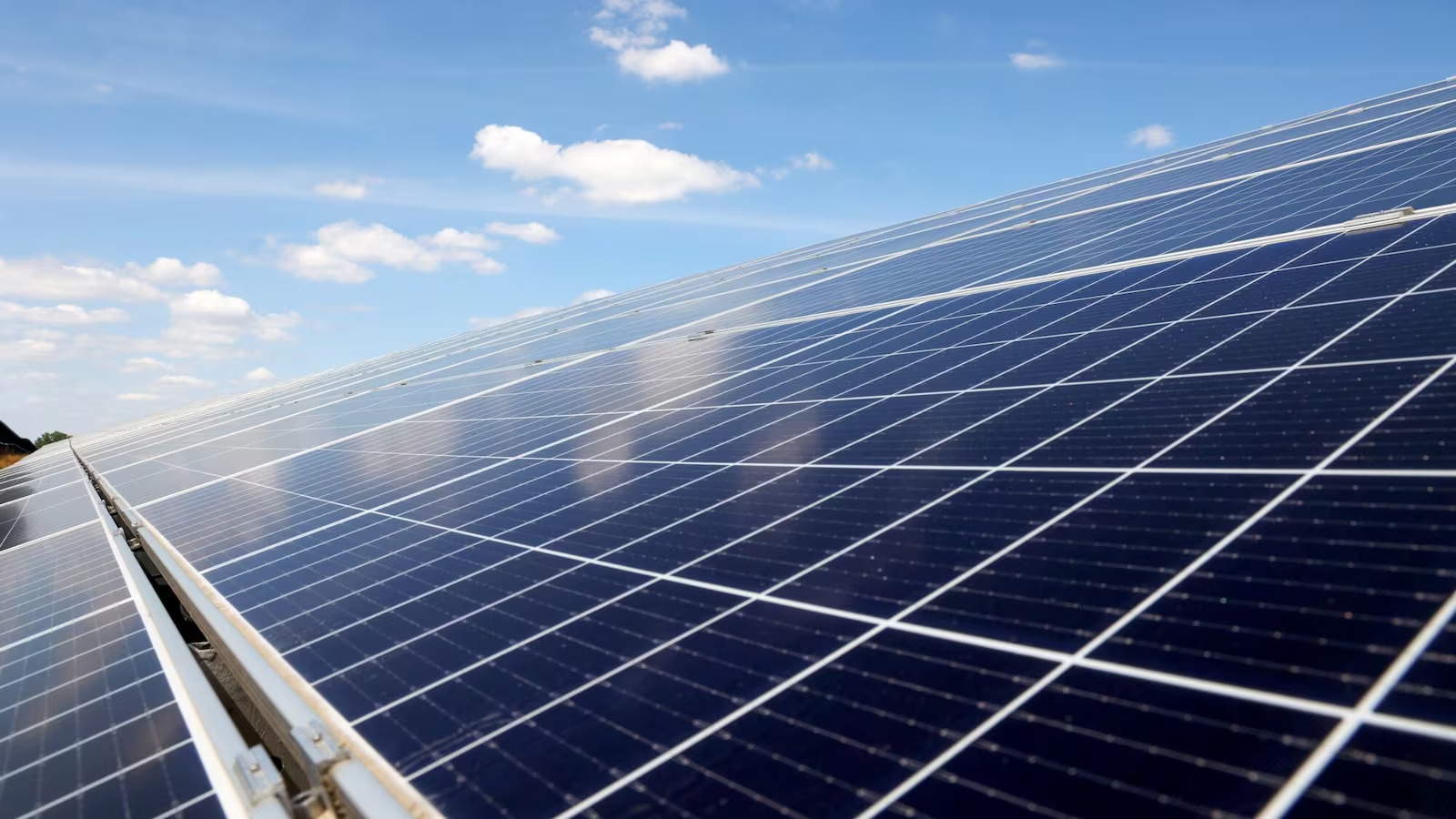
Zimbabwe’s Biggest Miners Seek $182 Million for So...
12 Sep, 2024 06:57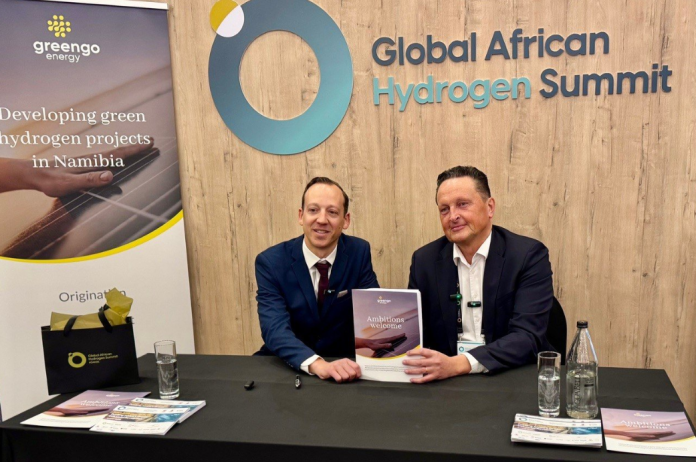
GreenGo Energy Expands into Namibia with Strategic...
12 Sep, 2024 07:51
OPEC Fund approves $1.2 billion for development pr...
13 Sep, 2024 08:59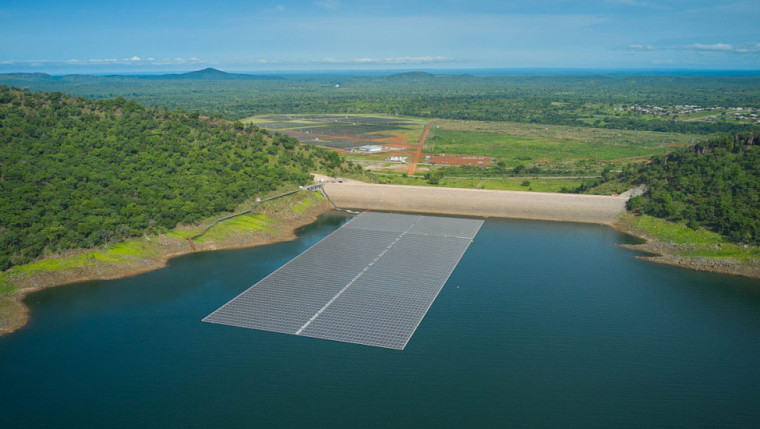
Floating solar starts to gather pace in Africa, as...
13 Sep, 2024 13:18
Prominent South African energy company files for l...
16 Sep, 2024 11:00
Libyan Export Decline and Fed Speculation Propel O...
17 Sep, 2024 08:00
South Sudan says it is ready to restart pumping oi...
17 Sep, 2024 13:23
Interest grows in Africa’s oil and gas hotspot...
18 Sep, 2024 10:42