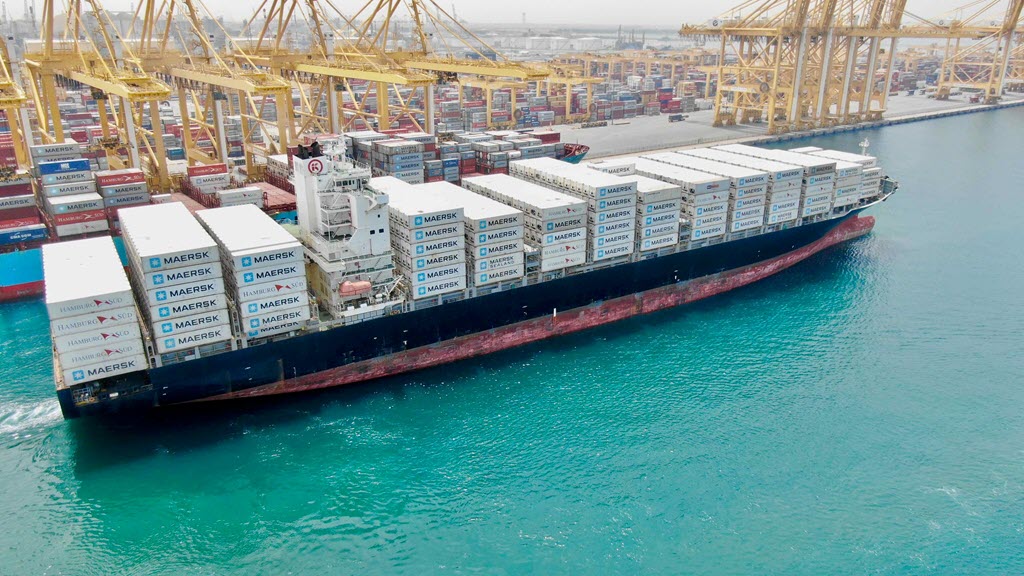
Sea

Sudan, Turkey link ports in bid to modernize maritime trade


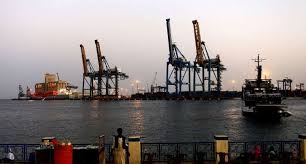
Analysts doubt Sudan’s latest port deal will ease chronic trade bottlenecks unless Khartoum finds cash and calm, after the Red Sea state signed a cooperation pact on Tuesday with Turkey’s Mersin province that lacks funding or binding commitments.
The government of Sudan’s Red Sea state signed a twinning memorandum with Turkey’s Mersin province on Tuesday to bolster cooperation and exchange expertise in port operations and logistics.
Port Sudan is the main gateway for Sudan’s exports and imports, but a lack of funding and political instability have hindered its modernization for years, despite its strategic location on a vital trade corridor.
The port requires deeper berths and expanded operational yards. Its berths currently measure about 1,478 metres, with storage areas of nearly 1.48 million square metres. In contrast, global ports feature berths exceeding 3 kilometres and larger spaces that enable faster container handling.
Experts say the port needs a comprehensive overhaul to accommodate giant vessels and meet international standards. Previous modernization efforts faced opposition from port workers, mostly from local eastern Sudan communities, who feared job losses.
The agreement was signed within the framework of cooperation with Mersin, which hosts one of Turkey’s largest Mediterranean ports and serves as a central transit hub for the Middle East.
Significant challenges
Maritime, economic and banking experts who spoke to Sudan Tribune expressed varying views on the potential benefits of the memorandum.
Onour Mohamed Adam Sultan, former director general of the Sea Ports Corporation, said partnerships with entities possessing advanced operational experience could benefit Port Sudan, especially in training.
He noted that an existing container shipping line between Turkish ports and Port Sudan provides a practical foundation for cooperation.
Sultan added that Port Sudan workers need advanced training in supply chain management and maritime technology. He pointed out that while Turkish ports operate under modern systems aligned with International Maritime Organization (IMO) regulations, Sudanese ports still rely heavily on manual procedures.
He highlighted that global ports use Port Management Systems (PMS) and Electronic Data Interchange (EDI) to minimize delays. He said implementing a “single window” system could reduce the time goods spend in port to 6 hours, down from 1 or 2 weeks.
Agreement without obligations
In contrast, a port source, speaking on condition of anonymity, said the twinning memorandum is a collaborative framework that lacks clear legal or financial obligations.
The source said the memorandum used general terms regarding technical cooperation without specifying executive projects or timelines. He noted that the delegation involved did not include operational or planning departments, suggesting the agreement’s scope is limited.
Transit hub
Economic analyst Haitham Mohamed Fathi said cooperation with Turkey in the transport sector could support development through joint projects to develop ports, railways and new logistical corridors. He added that Sudan could become a transit hub for Turkish trade heading to African markets.
Banker Walid Dalil said Sudan seeks to transform its ports into a vital Red Sea maritime corridor by attracting foreign investment. He noted that global ports apply strict standards for maritime security and environmental protection, areas where Port Sudan still faces challenges.
Dalil emphasized that linking Sudanese ports with international hubs like Mersin could enhance Sudan’s regional position, provided there is a focus on modernizing maritime legislation.
Observers say the success of the memorandum remains dependent on Sudan’s ability to turn the announced cooperation into sustainable projects amid economic and security challenges hindering infrastructure development.
Related Articles

Transport & Logistics in Action – Connecting the M...
22 Oct, 2025 08:40
Appeal made for cargo harmonization across the SSA...
22 Oct, 2025 08:46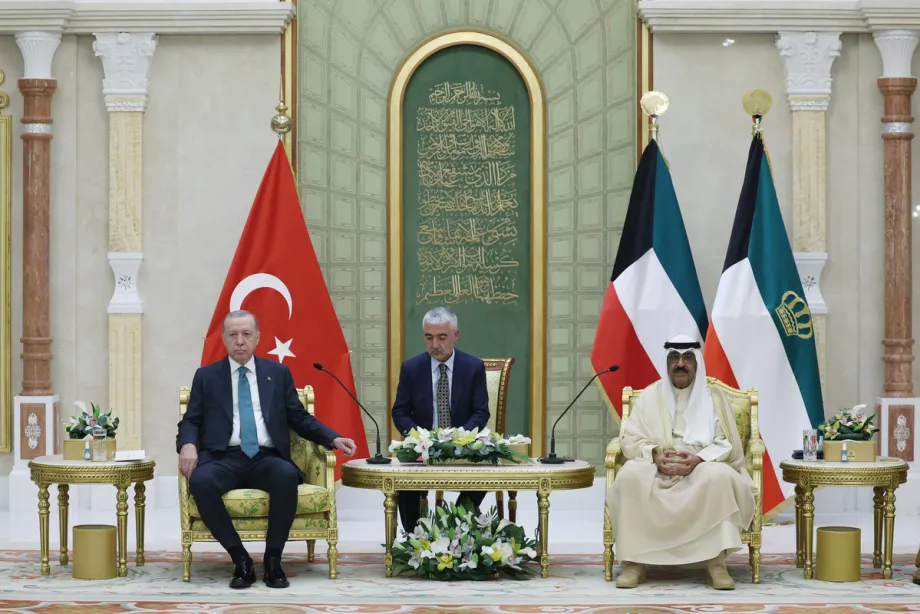
4 deals signed between Turkiye, Kuwait...
22 Oct, 2025 13:31
Beit Logistics invests $10.50mln to develop Safaga...
23 Oct, 2025 12:18
Khalifa Port rises to 39th position in Lloyd’s Lis...
23 Oct, 2025 12:24
ASCELA awarded Africa Logistics Zone Development P...
23 Oct, 2025 12:49
FG begins procurement for port modernization proje...
23 Oct, 2025 12:56
NZF delay extends unlevel playing field for EU por...
27 Oct, 2025 09:30
DP World Launches $85 Million Logistics Hub in Egy...
27 Oct, 2025 10:48