Sea

Russia’s Evolving Strategy in the Mediterranean - Betting on North Africa?


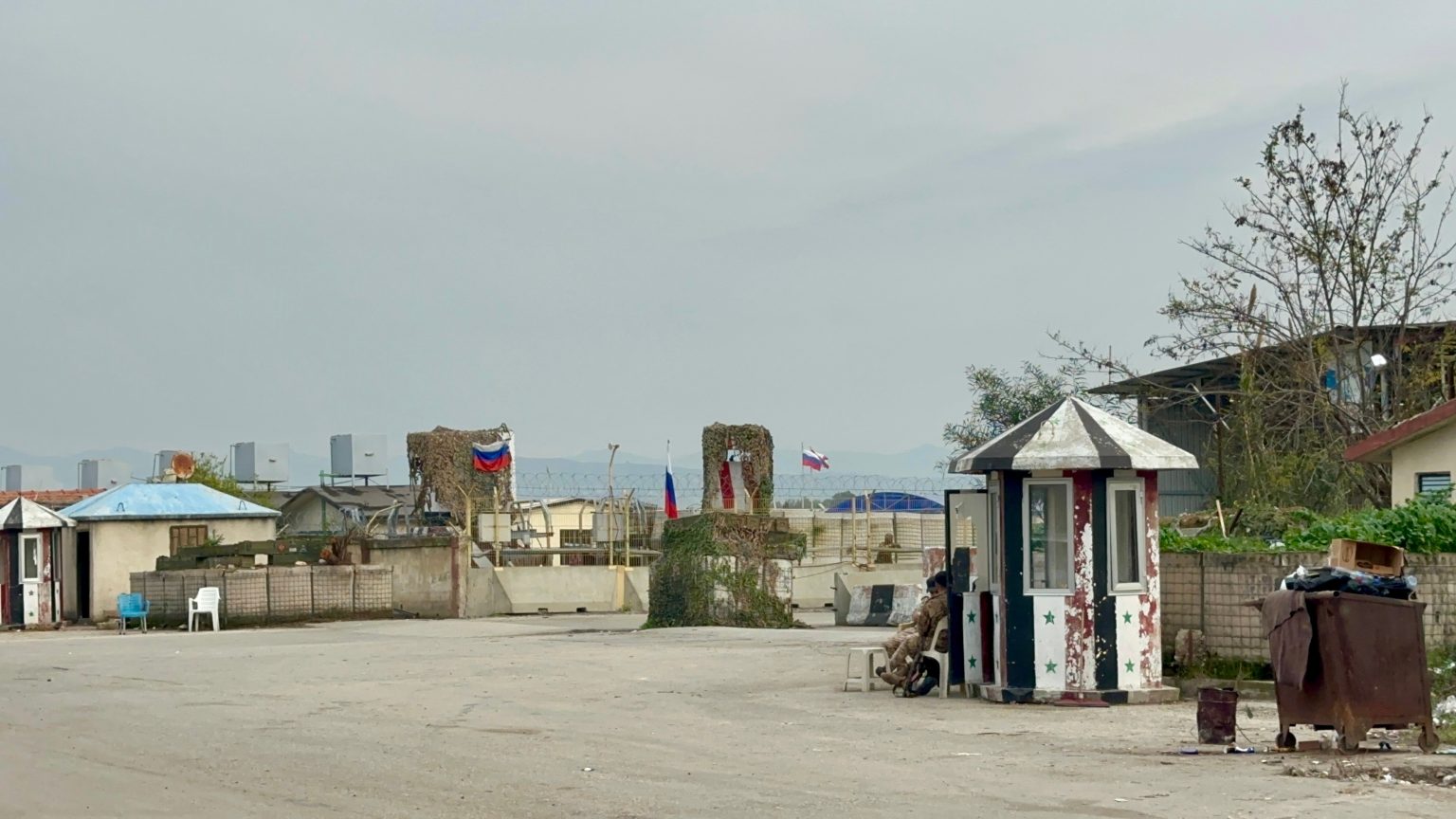
The collapse of the Assad regime in Syria in December 2024 has fundamentally reshaped Russia's Mediterranean strategy, forcing a pivot from opportunistic expansion to strategic consolidation, with North Africa emerging as the new focal point. This shift represents a genuine strategic evolution, moving away from reliance on a single, vulnerable alliance toward building durable influence through institutional partnerships and infrastructure investment.
Libya as a Strategic Cornerstone
Russia's engagement in Libya illustrates this transformation. Its presence has evolved from spoiler operations to a sustained, multifaceted commitment involving military advisory roles, integrated air defense networks, and major infrastructure upgrades. The modernization of the Maaten al-Sarra Air Base, a remote southern facility that now serves as a logistical hub linking operations in Libya, Chad, Niger, and Sudan, exemplifies Russia's strategy of creating resilient, geographically diversified nodes of influence. This network is reinforced by the institutionalized Afrika Corps, which manages a strategic air bridge moving personnel and materiel across these theaters.
Building Multilateral Partnerships
Russia’s strategy reflects an understanding of modern geopolitical limitations. Rather than unilateral action, Moscow has cultivated key partnerships, most notably with the United Arab Emirates. Their cooperation in Libya combines Emirati financial resources and regional networks with Russian military capabilities, creating a parallel security architecture that challenges Western-backed governance and ensures the longevity of Russia's presence. This approach provides strategic depth and operational sustainability that its brittle alliance with Assad lacked.
Implications for European Security
Russia's consolidation in North Africa has direct and serious implications for European security. The positioning of advanced military systems in eastern Libya puts Russian forces in close proximity to NATO airspace and critical southern European energy infrastructure, transforming the region into a potential pressure point. This presence complicates EU migration management and counter-terrorism efforts, while Russia's growing influence over critical supply routes and illicit economies could be leveraged to destabilize Europe during future crises, demanding a fundamental reassessment of NATO's southern deterrence posture.
The New Russian Paradigm
This post-Syria recalibration demonstrates strategic maturity. By focusing on long-term infrastructure, advisory relationships, and diversified alliances, Russia is constructing a more resilient and sustainable form of influence. For European policymakers, the challenge is to move beyond reactive sanctions and develop a comprehensive counter-strategy that offers credible governance and security alternatives. The outcome in North Africa will significantly shape the future Mediterranean security architecture and test the effectiveness of Western strategic imagination in a new era of multipolar competition.
Related Articles

Transport & Logistics in Action – Connecting the M...
22 Oct, 2025 08:40
Appeal made for cargo harmonization across the SSA...
22 Oct, 2025 08:46
4 deals signed between Turkiye, Kuwait...
22 Oct, 2025 13:31
Beit Logistics invests $10.50mln to develop Safaga...
23 Oct, 2025 12:18
Khalifa Port rises to 39th position in Lloyd’s Lis...
23 Oct, 2025 12:24
ASCELA awarded Africa Logistics Zone Development P...
23 Oct, 2025 12:49
FG begins procurement for port modernization proje...
23 Oct, 2025 12:56
NZF delay extends unlevel playing field for EU por...
27 Oct, 2025 09:30
DP World Launches $85 Million Logistics Hub in Egy...
27 Oct, 2025 10:48