Energy Markets

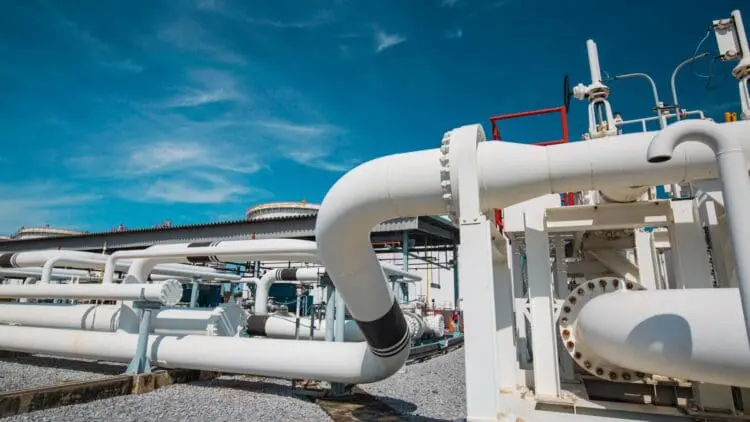
Oil prices surge to $61.16 following U.S. blockade on Venezuelan oil trade



Oil prices rose modestly on Monday, driven by escalating U.S. actions against vessels near Venezuela amid President Donald Trump’s intensified sanctions regime. Brent crude futures advanced toward $61.16 per barrel in early trading, extending gains from the previous session. West Texas Intermediate (WTI) crude also gained ground, trading around $57.19 per barrel.
Trading Economics data underscores Brent’s year-to-date slump of 16.04 percent, with monthly losses at 2.78 percent, as oversupply concerns dominate longer-term sentiment. U.S. inventories offered mild support, with last week’s EIA report showing a 1.27 million barrel crude draw—better than the expected 1.1 million—alongside drops at the Cushing hub.
Geopolitical spark ignites rally
The price uptick stemmed directly from U.S. Coast Guard operations over the weekend, where forces intercepted an oil tanker in international waters off Venezuela’s coast. U.S. officials confirmed pursuit of a second vessel nearby, marking the third such action in under two weeks if successful. This follows President Trump’s announcement of a “total and complete” blockade on sanctioned Venezuelan oil tankers, aimed at choking Caracas’ primary revenue source amid ongoing diplomatic pressures.
These moves build on earlier seizures this month, including a blacklisted tanker last week, signaling Washington’s aggressive enforcement of sanctions. Market analysts noted the operations as a key escalation, with IG’s Tony Sycamore highlighting how they, alongside reports of a Ukrainian drone strike on a Russian shadow fleet vessel in the Mediterranean, fueled supply disruption fears. The Ukraine incident, the first such attack in that sea, compounds tensions from prior strikes on Russian Lukoil facilities in the Caspian Sea.
OPEC+ capacity plans vs. global supply
Despite the geopolitical lift, crude benchmarks remain on pace for sharp annual declines, pressured by ample global supply forecasts. OPEC+ plans to gradually restore shut-in capacity, coupled with rising non-OPEC output, outweigh risk premiums in trader views. UBS analyst Giovanni Staunovo predicted only “modest price increases” initially, as markets gauge escalation risks to Venezuelan barrels.
Demand signals add caution: Early weakness appears in China and the U.S., major consumers, amid economic slowdown fears. U.S. gasoline futures hit four-year lows, squeezing refining margins to February levels. Related sanctions on smaller Russian producers by the U.S. and U.K. further tighten energy sector scrutiny, though no major disruptions have materialized yet.
Venezuela’s oil exports, already curtailed by years of U.S. penalties, face heightened vulnerability. The intercepted tanker was not Venezuelan-flagged but operating in the sanctioned trade, per clarifications from multiple outlets. Successful pursuits could sideline additional volumes, though traders doubt immediate global impacts given Venezuela’s diminished output.
U.S. crude inventories and OPEC+ meetings
Short-term, prices may test $61 for Brent if U.S.-Venezuela frictions persist, with WTI eyeing $57.50 resistance. Trading Economics forecasts Brent at $60.64 by quarter-end, rising to $66.33 in 12 months on balanced supply-demand dynamics. Oil traders anticipate slight upticks in Asian reopenings but warn of volatility from weekend developments.
Geopolitical crosscurrents extend beyond Latin America. U.S.-Ukraine talks in Miami on Sunday yielded “productive” results but no Ukraine war resolution, sustaining shadow fleet risks. Heightened sanctions on Russia’s energy sector aim to bolster peace efforts, potentially disrupting more supply chains.
Investors eye upcoming data: U.S. crude inventories for the latest week, plus OPEC+ compliance meetings, could dictate direction.
Related Articles

Renewable Energy Storage Market 2025 Forecast - La...
21 Oct, 2025 07:12
Solar power mistake in South Africa costs homeowne...
21 Oct, 2025 07:54
An Investor’s Guide to Africa...
21 Oct, 2025 09:47
Doha Strike Shakes Global Energy Assumptions...
22 Oct, 2025 13:01
GCC and Russia Deepening ties in a multipolar Midd...
23 Oct, 2025 11:59
Tesla prepares first steps into Africa with Morocc...
23 Oct, 2025 13:29
Off-Grid Solar Energy Market to grow at 17.42 GW b...
23 Oct, 2025 13:39
Petroleum Institute Urges Early Take Off of Africa...
23 Oct, 2025 13:45
Algeria inks $5.4 billion energy pact with Saudi M...
23 Oct, 2025 14:03