Energy Markets

Oil prices slip as Brent falls to $68.31 as traders weigh supply risks, OPEC eyes April hike


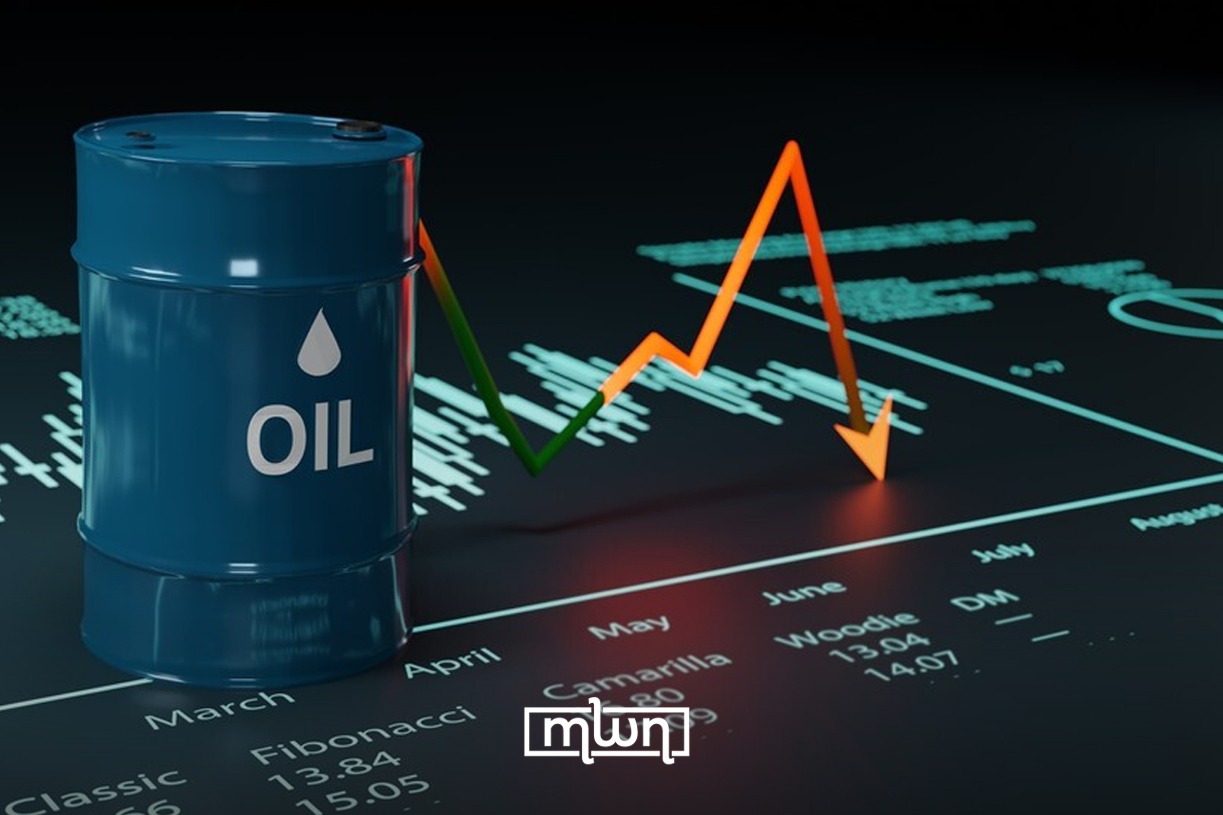
Oil prices saw a slight downward trend during Tuesday’s session as market participants weighed the potential for supply interruptions. This cautious sentiment follows Iranian naval exercises conducted in the vicinity of the Strait of Hormuz, occurring just prior to scheduled nuclear negotiations with the United States later this afternoon.
Brent crude futures saw a decline of 0.50 percent, falling 35 cents to reach $68.31 per barrel, which comes after a recorded gain of 1.33 percent during Monday’s trading.
U.S. West Texas Intermediate crude was priced at $63.29 per barrel, marking a decrease of 27 cents or 0.42 percent. However, it is important to note that this specific figure encompasses the entirety of Monday’s price movements, as the contract did not have a formal settlement that day because of the U.S. Presidents Day holiday.
Regional closures and diplomatic tensions
A significant number of global markets remained shuttered on Tuesday in observance of the Lunar New Year holidays, with closures affecting mainland China, Hong Kong, Taiwan, South Korea, and Singapore. Regarding the geopolitical landscape, U.S. President Donald Trump remarked on Monday that he would be involved “indirectly” in the talks in Geneva, further noting his belief that Tehran is interested in reaching an agreement. These comments follow statements made by Trump over the weekend, where he suggested that regime change in Iran “would be the best thing that could happen.” Consequently, oil prices are anticipated to maintain a state of volatility, characterized by significant fluctuations in both directions fueled by diplomatic indicators rather than standard supply and demand fundamentals, Sachdeva added.
Supply routes and production outlook
The Iranian military exercises initiated on Monday took place within the Strait of Hormuz, which serves as a critical international passage and a primary oil export corridor for Gulf Arab nations that have been calling for a diplomatic resolution to the ongoing conflict. Iran, alongside other OPEC members including Saudi Arabia, the United Arab Emirates, Kuwait, and Iraq, utilizes this strait to export the majority of their crude oil, with the bulk of those shipments destined for Asian markets. Amidst these tensions, OPEC+ is leaning towards a resumption in oil output increases from April, according to three OPEC+ sources. This potential shift comes as the organization readies itself for the height of summer demand while prices remain supported by the friction between the U.S. and Iran.
Related Articles

Renewable Energy Storage Market 2025 Forecast - La...
21 Oct, 2025 07:12
Solar power mistake in South Africa costs homeowne...
21 Oct, 2025 07:54
An Investor’s Guide to Africa...
21 Oct, 2025 09:47
Doha Strike Shakes Global Energy Assumptions...
22 Oct, 2025 13:01
GCC and Russia Deepening ties in a multipolar Midd...
23 Oct, 2025 11:59
Tesla prepares first steps into Africa with Morocc...
23 Oct, 2025 13:29
Off-Grid Solar Energy Market to grow at 17.42 GW b...
23 Oct, 2025 13:39
Petroleum Institute Urges Early Take Off of Africa...
23 Oct, 2025 13:45
Algeria inks $5.4 billion energy pact with Saudi M...
23 Oct, 2025 14:03