Energy Markets

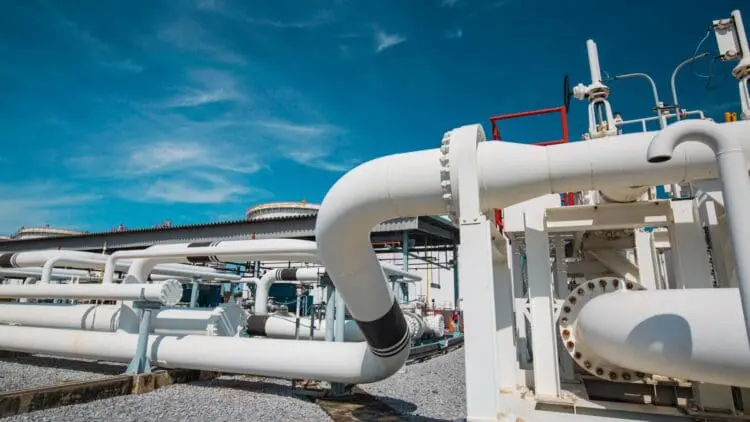
Oil prices edge higher to $61.37 as markets brace for over 15 percent drop in 2025



Oil prices rose on Wednesday but remained on course for a drop of more than 15 percent in 2025, as supply continued to outstrip demand in a year shaped by geopolitical tensions, higher tariffs, increased OPEC+ production and sanctions on Russia, Iran and Venezuela.
Brent crude futures, down almost 18 percent and marking their steepest annual percentage fall since 2020, are heading for a third consecutive year of losses, the longest losing streak on record.
As of 5:36 GMT, Brent crude futures were trading 0.07 percent higher at $61.37 a barrel. Meanwhile, U.S. West Texas Intermediate crude rose 0.07 percent to $57.99 a barrel. WTI was headed for a 19 percent annual decline. The 2025 average prices for both benchmarks are the lowest since 2020, LSEG data showed.
Key developments impact oil prices in 2025
Oil markets opened 2025 on a strong footing after former U.S. President Joe Biden ended his term by tightening sanctions on Russia, disrupting supplies to major buyers China and India.
The Ukraine-Russia war escalated as Ukrainian drone strikes damaged Russian energy infrastructure and interrupted Kazakhstan’s oil exports, while a 12-day conflict between Iran and Israel in June raised fears over shipping through the Strait of Hormuz, a critical global oil chokepoint, pushing oil prices higher.
Geopolitical strains were further heightened by U.S. President Donald Trump’s move to impose a blockade on Venezuelan oil exports and his threat of renewed strikes on Iran. However, oil prices later eased as OPEC+ hiked its production increases, and worries grew that U.S. tariffs could slow global economic growth and dampen fuel demand.
“Oil is heading into 2026 under growing pressure. The tone across the market has flipped: what was supposed to be a tightening cycle has turned into a soft, supply-heavy environment. OPEC’s latest outlook now expects global supply to meet demand next year, a sharp reversal from earlier assumptions of a deficit—and that shift alone is reshaping the entire narrative,” said Farah Mourad, market analyst, IG.
She added that Brent is projected to average around $62.23 in 2026, while WTI is seen closer to $59. For context, Brent has averaged $68.80 so far in 2025, so these forecasts imply a meaningful step down in pricing power next year.
Supply to outpace demand next year
The Organization of the Petroleum Exporting Countries and its allies have paused further oil output increases for the first quarter of 2026 after adding around 2.9 million barrels per day to the market since April. The next OPEC+ meeting is scheduled for January 4.
Most analysts anticipate that supply will outpace demand next year, with forecasts ranging from the International Energy Agency’s estimate of 3.84 million barrels per day to Goldman Sachs’ projection of about 2 million barrels per day.
“OPEC+ production is slowly climbing back, and the group’s own numbers now show a well-supplied market into next year. That alone removes a lot of the bullish catalysts traders were leaning on. But the real pressure point comes from the US and other non-OPEC players, where supply growth is running three times faster than demand, according to JP Morgan,” Mourad added.
With a Trump administration unlikely to support market-balancing policies, Mourad said, there’s very little chance of coordinated intervention. Demand growth, while still positive, is no longer strong enough to absorb rising supply, thus impacting oil prices. China is stabilizing rather than accelerating and global manufacturing remains patchy.
Related Articles

Renewable Energy Storage Market 2025 Forecast - La...
21 Oct, 2025 07:12
Solar power mistake in South Africa costs homeowne...
21 Oct, 2025 07:54
An Investor’s Guide to Africa...
21 Oct, 2025 09:47
Doha Strike Shakes Global Energy Assumptions...
22 Oct, 2025 13:01
GCC and Russia Deepening ties in a multipolar Midd...
23 Oct, 2025 11:59
Tesla prepares first steps into Africa with Morocc...
23 Oct, 2025 13:29
Off-Grid Solar Energy Market to grow at 17.42 GW b...
23 Oct, 2025 13:39
Petroleum Institute Urges Early Take Off of Africa...
23 Oct, 2025 13:45
Algeria inks $5.4 billion energy pact with Saudi M...
23 Oct, 2025 14:03