Energy Markets

Oil prices climb toward $64 as Iran unrest, U.S. tariff warnings spark supply fears


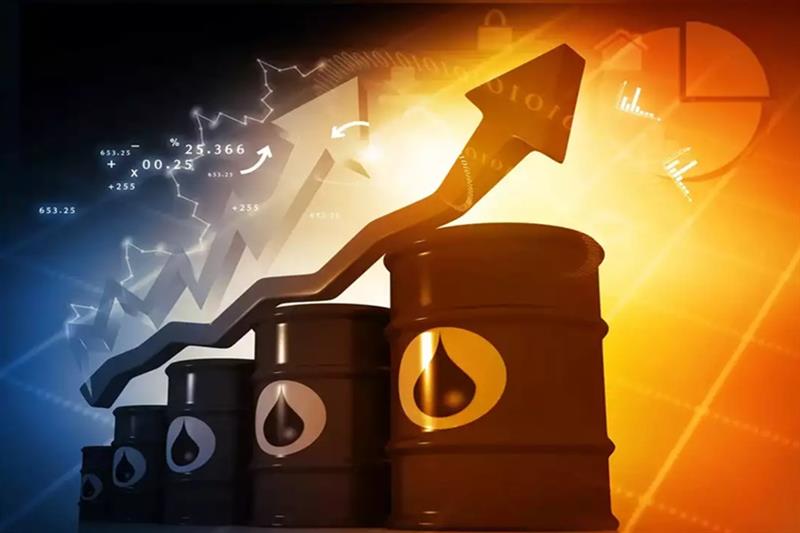
Oil prices continued their upward trajectory on Tuesday, driven primarily by escalating concerns over potential supply disruptions from Iran amid widespread protests and new U.S. tariff threats. Brent crude traded around $64 per barrel, while West Texas Intermediate (WTI) hovered near $60, marking a fourth straight session of gains. These levels represent the highest in seven weeks, reflecting a fear premium tied to geopolitical risks in the OPEC producer.
Geopolitical tensions ignite rally
Global oil benchmarks extended gains into Tuesday, January 13, 2026, as traders priced in heightened risks of supply interruptions from Iran, OPEC‘s fourth-largest producer. Brent crude futures rose 0.4 percent to $64.10 per barrel in early Asian trading, while WTI advanced to $59.70, building on a nearly 6 percent surge over the prior three sessions. This momentum pushed both contracts to their highest closes since early December, underscoring how swiftly geopolitical flashpoints can override broader market fundamentals.
The rally stems from intensifying anti-government protests across Iran, now in their third week and the largest since 2022, which have sparked fears of disruptions to the country’s 3.3 million barrels per day (bpd) of oil production. Reports indicate Iranian stockpiles at key export terminals have dropped by about one-fifth since the start of the year, possibly signaling preemptive movements amid instability. Iran’s daily exports, primarily to China, represent under 2 percent of global demand, but any halt could tighten supply chains already strained by regional volatility.
Trump’s tariff hammer targets Iran buyers
U.S. President Donald Trump’s announcement of 25 percent tariffs on goods from countries “doing business” with Iran has amplified these concerns, injecting fresh uncertainty into the market. Trump declared the measures “effective immediately” via social media, without detailing implementation or exemptions, prompting immediate price support. China, the top buyer of Iranian crude, faces the biggest hit, as it absorbs the majority of Tehran’s exports despite U.S. sanctions.
This move echoes Trump’s past trade aggressions, including 2025 tariffs on Indian goods for Russian oil purchases and threats against other buyers like Turkey and the UAE. Analysts note that while Iran’s exports are modest, tariff-induced rerouting could exacerbate global logistics strains, especially if tensions escalate with China—the world’s largest crude importer. Markets reacted cautiously, with oil holding near multi-month highs but vulnerable to policy clarifications.
Iran’s domestic turmoil hits energy sector
Beyond exports, Iran’s internal chaos is biting into its energy infrastructure. Winter gas shortages, worsened by pipeline strikes since November, have forced shutdowns at multiple petrochemical plants, including methanol facilities. The rial’s plunge to record lows—around 1.47 million to the dollar in unofficial markets—has fueled protests, with Supreme Leader Ayatollah Ali Khamenei blaming “foreign enemies” while distinguishing protesters from “rioters.”
These disruptions compound supply worries, as Iran grapples with peak winter demand and economic pressures. Petrochemical output, a key non-oil export, faces cuts, while oil terminals show depleted stocks—potentially limiting export capacity if unrest persists. OPEC-member Iran’s woes contrast with its ambitions, as the National Petrochemical Company eyes 131.5 million tonnes/year capacity by 2027, though current crises cast doubt.
Venezuela flood adds oversupply backdrop
Counterbalancing Iran risks is a massive supply influx from Venezuela, following U.S. intervention that ousted Nicolás Maduro earlier in January. Operation Absolute Resolve unlocked 30-50 million barrels of previously blockaded Venezuelan crude, flooding U.S. Gulf Coast refineries and dragging prices down temporarily to $56.92/bbl on January 7. OPEC+ responded by pausing Q1 production hikes totaling nearly 4 million bpd, but skeptics question their ability to stem the tide from Venezuela’s Orinoco Belt.
Projections suggest Venezuela could ramp to 1.2 million bpd by year-end with U.S. technical aid from firms like Chevron, adding to non-OPEC gains from Brazil, Guyana, and Argentina. This oversupply narrative dominated early 2026, with Brent down 22 percent year-over-year and 2025 marking the weakest oil year since 2020. Goldman Sachs forecasts further softening as supply swells, though Iran keeps a floor under prices.
Technically, Brent trades in a rising-falling channel, with moving averages signaling short-term bearishness despite recent pops. Analysts eye resistance at $65.65, followed by potential drops below $58.45 if upside fades. A break above $67.45 could target $72.65, but RSI rebounds and channel boundaries favor caution.
For 2026, demand remains sluggish amid global surplus fears, tempered by geopolitics in Iran, Venezuela, and Russia (where CPC terminal issues linger). Asian currencies felt the pinch from oil’s rise, highlighting spillover effects. Traders stay vigilant: Iran’s protests and Trump’s tariffs could sustain the premium, but Venezuelan barrels loom large.
Related Articles
Renewable Energy Storage Market 2025 Forecast - La...
21 Oct, 2025 07:12
Solar power mistake in South Africa costs homeowne...
21 Oct, 2025 07:54
An Investor’s Guide to Africa...
21 Oct, 2025 09:47
Doha Strike Shakes Global Energy Assumptions...
22 Oct, 2025 13:01
GCC and Russia Deepening ties in a multipolar Midd...
23 Oct, 2025 11:59
Tesla prepares first steps into Africa with Morocc...
23 Oct, 2025 13:29
Off-Grid Solar Energy Market to grow at 17.42 GW b...
23 Oct, 2025 13:39
Petroleum Institute Urges Early Take Off of Africa...
23 Oct, 2025 13:45
Algeria inks $5.4 billion energy pact with Saudi M...
23 Oct, 2025 14:03