Energy Markets

Natural Gas And LNG Building A Bridge To African Energy Security And Prosperity – OpEd


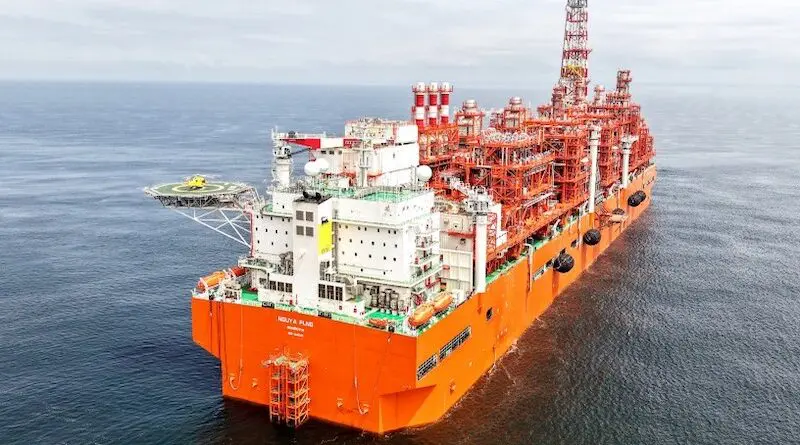
Africa is strategically mobilizing its substantial natural gas reserves to fuel domestic economic growth and achieve greater energy independence, according to the African Energy Chamber’s (AEC) “State of African Energy: 2026 Outlook Report.” The analysis details a continental shift from treating gas primarily as an export commodity to building integrated domestic markets that utilize gas for power generation, industry, and job creation.
The report highlights Angola as a leading case study. While historically focused on LNG exports via its Angola LNG plant, the country is now prioritizing domestic gas use. This includes supplying power plants like the Soyo CCGT to stabilize the grid and pursuing major industrial projects, such as planned fertilizer and methanol facilities, which would significantly increase local demand. This model of coupling exports with domestic development exemplifies how gas can diversify economies and reduce import dependence.
New exporters like Mauritania and Senegal, which began LNG shipments in 2025 via the shared Greater Tortue Ahmeyim project, are also channeling portions of their gas for domestic power generation. This approach aims to expand electricity access and spur related industries.
With natural gas already generating 40% of Africa's electricity, the AEC positions it as an essential transitional fuel that will support grid stability alongside growing renewable energy capacity. The development of regional power pools is cited as a critical mechanism for integrating gas resources across borders, improving energy access, and fostering continental cooperation.
The report concludes that natural gas is a fundamental catalyst for African prosperity. By expanding both LNG exports and domestic utilization, the continent can drive sustainable growth, reduce emissions by displacing more polluting fuels, and assert its energy sovereignty on the path to a more diversified and resilient energy future.
Related Articles
Renewable Energy Storage Market 2025 Forecast - La...
21 Oct, 2025 07:12
Solar power mistake in South Africa costs homeowne...
21 Oct, 2025 07:54
An Investor’s Guide to Africa...
21 Oct, 2025 09:47
Doha Strike Shakes Global Energy Assumptions...
22 Oct, 2025 13:01
GCC and Russia Deepening ties in a multipolar Midd...
23 Oct, 2025 11:59
Tesla prepares first steps into Africa with Morocc...
23 Oct, 2025 13:29
Off-Grid Solar Energy Market to grow at 17.42 GW b...
23 Oct, 2025 13:39
Petroleum Institute Urges Early Take Off of Africa...
23 Oct, 2025 13:45
Algeria inks $5.4 billion energy pact with Saudi M...
23 Oct, 2025 14:03