Metal Markets

Middle East ‘one step ahead’ in green steel transition, Jindal Steel CEO says


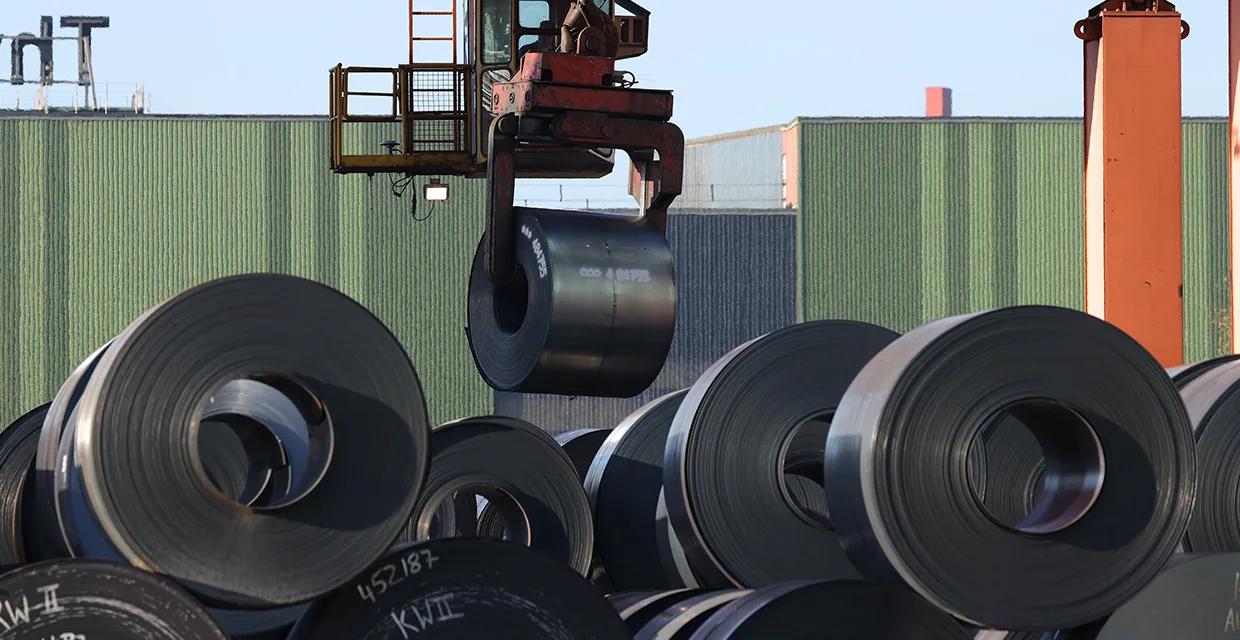
The Middle East is emerging as a dominant force in the global steel industry, leveraging its significant energy advantages, technological leadership in low-carbon production, and strong regional demand. According to Jindal Steel's CEO, Harssha Shetty, the region's access to affordable natural gas—priced at around $4.8 in the Gulf compared to over $10 in Europe—provides a clear competitive edge for energy-intensive steelmaking. This foundational cost benefit is a primary driver of its growing influence.
A key pillar of the region's strength is its leadership in the global shift towards low-carbon steel. The Middle East and North Africa (MENA) region already accounts for 44% of the world's Direct Reduced Iron (DRI) output, a cleaner alternative to traditional blast furnaces. Furthermore, its potential for green hydrogen production, supported by abundant sunshine and established national policies, positions it as a top global candidate for the future of hydrogen-based steel production.
This industrial advantage is underpinned by robust and visible regional demand. Major infrastructure spending and a booming real estate market in the Gulf Cooperation Council (GCC) countries are powerful drivers. With project awards soaring from $90 billion in 2020 to $275 billion in 2024, and real estate transactions seeing double-digit growth, regional steel demand is projected to reach 59 million tonnes, providing a stable market for local producers.
Jindal Steel is making significant investments to capitalize on this favorable landscape. The company is expanding its operations in Oman, including a major $1.3 billion project in Duqm. A cornerstone of this expansion is the installation of a hydrogen-ready DRI plant, utilizing Energiron technology, which future-proofs its operations against the industry's decarbonization trajectory.
The company is also vertically integrating its operations to secure supply and enhance quality. It has completed trial production at a new 6-million-tonne pellet plant, which produces high-quality raw material with an iron content above 67%. This not only supports its own efficient DRI production but also creates a new export product, with the first shipments scheduled for January 2026.
Complementing its steel production, Jindal is undertaking a major commitment to renewable energy. Projects including a 280 MW solar plant in Shinas and a massive 1.4 GW solar-plus-storage facility in Duqm are central to its "future-ready energy strategy." This move directly addresses the carbon footprint of its operations and aligns with the region's hydrogen ambitions.
Despite the strong position, Shetty highlighted an area for development: building out the downstream industrial sector. He emphasized that each million-tonne steel hub can support up to 8,000 industrial jobs, presenting a significant opportunity for economic diversification and job creation beyond raw steel production, which is critical for the GCC's long-term economic plans.
Related Articles
Saudi Arabia champions global partnerships to powe...
21 Oct, 2025 06:51
Can Turkey Become a Rare Earth Element Power?...
23 Oct, 2025 13:24
Orion Minerals Set to Develop Secure, Responsible,...
23 Oct, 2025 14:12
Investing in Platinum Stocks...
24 Oct, 2025 06:56
Copper And Aluminum Prices Climb As Supply Worries...
24 Oct, 2025 07:09
Dubai 24-carat gold prices dip AED3.75 as global r...
24 Oct, 2025 12:06
Bauxite sales up but tariffs on Chinese metal ship...
27 Oct, 2025 13:15
Angola bids for majority stake in De Beers, source...
28 Oct, 2025 07:02
Dubai 24-carat gold price today drops AED479; glob...
28 Oct, 2025 08:15