Logistic Other

Middle East air cargo is outperforming global markets


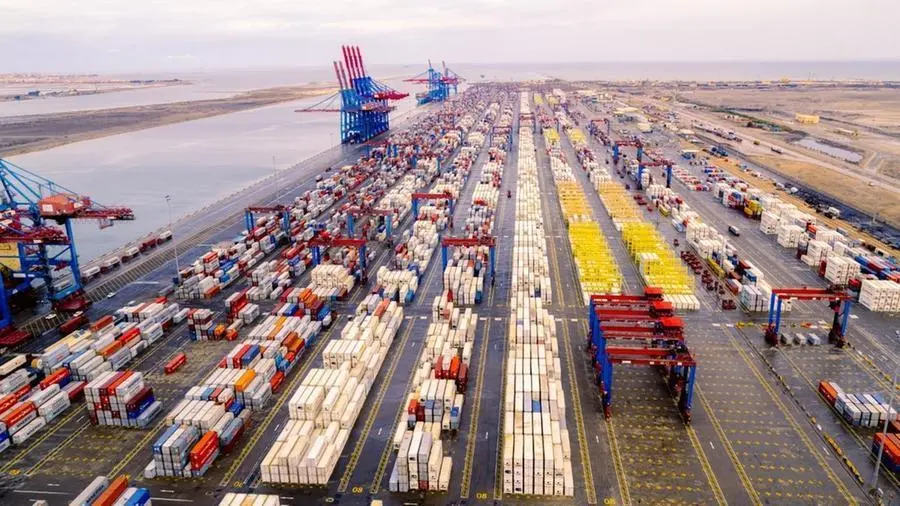
For much of the past two decades, the Middle East’s role in global air cargo was defined by geography. The region functioned as a bridge between production centres in Asia and consumption markets in Europe and North America. In 2026, that definition no longer holds.
According to DHL Global Forwarding’s Airfreight State of the Industry December 2025, air cargo demand in the Middle East and Africa grew by 7% year on year, making it one of the fastest-growing regions globally, second only to Asia Pacific. This growth comes at a time when North America has already entered contraction, and Europe is facing weakening industrial output and export demand.
Mature markets are slowing
What makes this shift significant is not just the growth rate, but its timing. Global air cargo demand rose between 3-5% in 2025, supported by resilient trade flows and supply chain recalibration.
Yet many mature markets are showing signs of fatigue. Eurozone manufacturing PMI dipped below 50 in December, while North America recorded its first year-on-year air cargo contraction in eleven months.
Against this backdrop, the Middle East is no longer benefiting from spillover demand. It is generating its own.
A changing cargo mix
A key driver is the region’s evolving cargo profile. The report highlights strong growth in e-commerce, pharmaceuticals, perishables and high-value electronics.
Africa is supplying perishables and pharma volumes, while Middle East hubs enable fast transshipment between Asia, Europe and Africa.
This reflects a broader structural shift. Cargo moving through the Gulf today is increasingly time-critical, compliance-sensitive, and value-dense. These characteristics favour hubs that can deliver speed, predictability and regulatory reliability.
Infrastructure investment begins to pay off
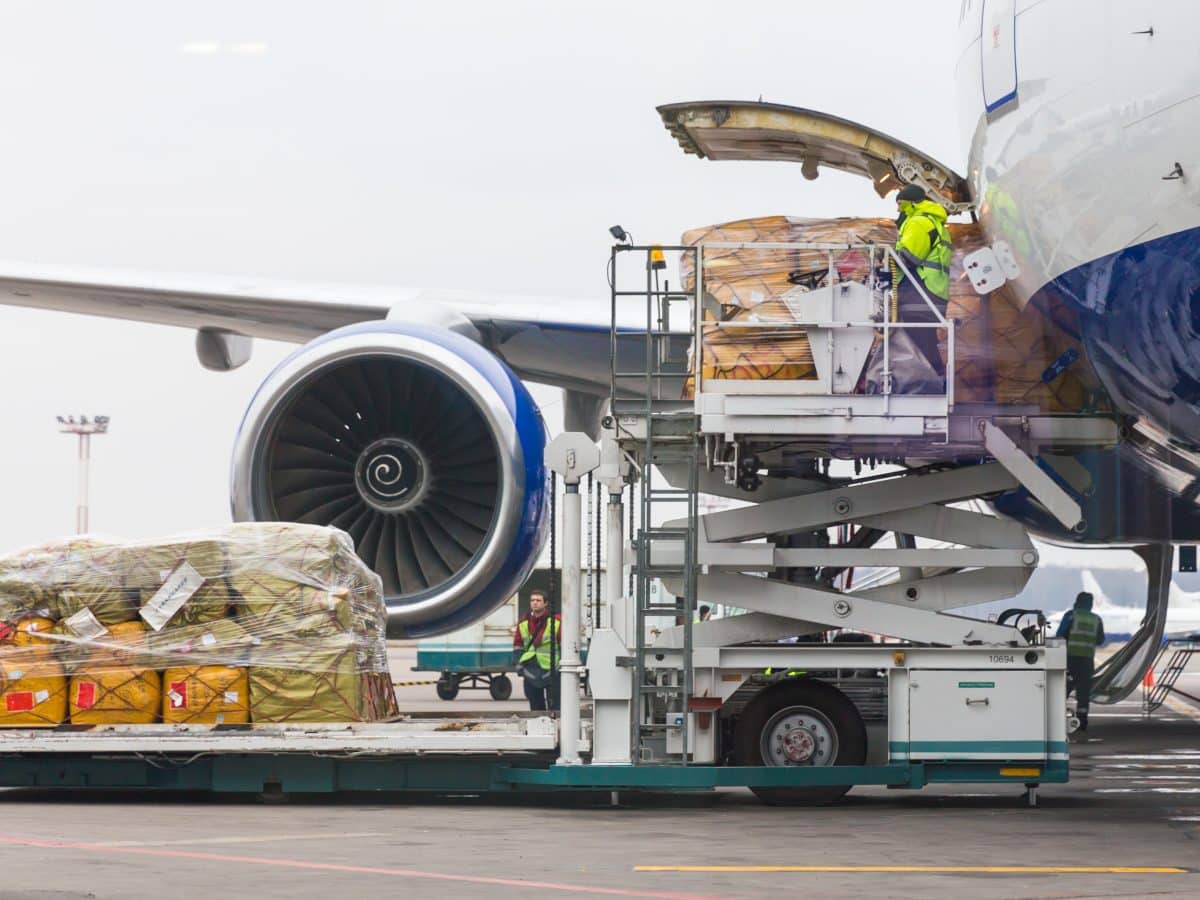
Long-term infrastructure investment has played a decisive role. Airports across the Gulf have spent the past decade building cargo ecosystems that prioritise automation, cold chain capability and integrated ground handling.
These investments are now paying off as shippers seek alternatives to congested or heavily regulated routes elsewhere.
According to Airports Council International forecasts cited in the report, Asia Pacific and the Middle East are expected to lead global air cargo growth through 2028, driven by trade diversification and cargo infrastructure expansion.
Trade policy and geopolitics
Trade policy dynamics are further strengthening the region’s position. Comprehensive Economic Partnership Agreements, such as the India–Oman deal signed in 2025, are expanding bilateral trade and services cooperation.
At the same time, tariff changes, manufacturing relocation and geopolitical uncertainty are pushing shippers to rethink routing strategies.
For many, Middle East hubs now offer neutrality, flexibility and optionality that are increasingly difficult to find elsewhere.
Balanced capacity supports growth
Crucially, this growth is occurring in a market that is not oversupplied. Global air cargo capacity rose by just 2% year on year in December 2025, while freighter capacity continued to decline. Stable cargo load factors suggest that capacity growth remains broadly aligned with demand.
For Middle East hubs, this balance reinforces their role as preferred consolidation and distribution points rather than opportunistic alternatives.
Looking into 2026, DHL expects Middle East and Africa air cargo demand to continue growing, often above the global average, as logistics hubs expand and regional manufacturing and e-commerce activity strengthen.
Related Articles
South African table grape industry and Transnova A...
22 Oct, 2025 08:25
Spiro Raises US$100 Million in Africa’s Largest-Ev...
22 Oct, 2025 09:33
NXN and SAEED unite within Sharjah’s logistics sec...
24 Oct, 2025 07:48
TAHA Unveils HortiMarket A Digital Platform Revolu...
24 Oct, 2025 08:21
Chinese technology takes center stage at Ghana's t...
27 Oct, 2025 09:17
Kenya Airways flies first African route, from Nair...
27 Oct, 2025 09:23
Madbouly inaugurates $85mln DP World's logistics p...
27 Oct, 2025 12:56
Airbus cargo outlook shows 3.3% annual growth and ...
28 Oct, 2025 08:21
Nominations now open for the Logistics Saudi Award...
28 Oct, 2025 08:27