Energy Markets

Middle East Energy Leaders Warn of Underinvestment in Oil, Bet on Digital Growth


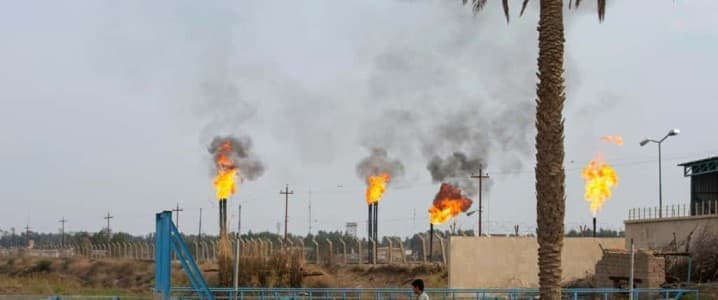
Recent energy conferences in the Middle East have provided distinct insights into the region's dual-track energy strategy. The large ADIPEC event in Abu Dhabi and the smaller Dii Desert Energy summit in Dubai presented contrasting but concurrent visions, focusing on sustaining investment in traditional hydrocarbons while simultaneously building a new energy future.
At ADIPEC, the prevailing narrative, set by leaders like Dr. Sultan Al Jaber of ADNOC, emphasized "energy addition" rather than transition. The consensus among industry leaders was that long-term demand for all forms of energy, particularly oil and gas, will remain strong. A central concern was a pervasive underinvestment in oil and gas projects, which they argue creates a risk of supply shortages as global demand continues to grow, with forecasts seeing oil demand exceeding 100 million barrels per day beyond 2040.
Natural gas was prominently reframed at the event, no longer labeled a "transition" fuel but a "destination" fuel. Discussions highlighted robust global demand growth, with exporters like Nigeria LNG expanding capacity and importers from Europe and Asia adapting to a more flexible and competitive market. The potential for significant demand growth in price-sensitive markets like India was also underscored, contingent on stable prices.
A notable theme was the surge in electricity demand, driven by the exponential growth of data centers, urbanization, and increased cooling needs. This sets the stage for the other vision presented at the Dii Desert Energy summit in Dubai, which focused squarely on a net-zero future for the MENA region and the opportunities it presents.
The Dii summit highlighted the global momentum of renewables, where low-carbon investment now outpaces fossil fuel investment. A key opportunity identified for the Middle East is positioning itself as a prime hub for sustainable data centers, leveraging its world-class solar resources, available land, and favorable policy environments to attract major tech companies.
A specific report launched at the summit, "Data Centers: The New Super Offtakers of Clean Energy," detailed how the region could export data center capacity. It identified existing hubs in Saudi Arabia's NEOM, Oman's Salalah Free Zone, and the UAE-US AI campus in Abu Dhabi as pioneers in co-locating giga-scale renewables with digital infrastructure.
The proposal outlines a staged decarbonization strategy for these facilities, powered directly by renewable energy and eventually supported by low-carbon hydrogen. This vision positions the Middle East not just as an energy producer, but as a central player in the digital economy by leveraging its new energy advantages.
Ultimately, the two conferences revealed a region confidently navigating a complex energy landscape. The Middle East is publicly committing to a long-term future for oil and gas while simultaneously making strategic bets on becoming a global leader in the clean energy and digital infrastructure that will power the coming decades.
Related Articles
Renewable Energy Storage Market 2025 Forecast - La...
21 Oct, 2025 07:12
Solar power mistake in South Africa costs homeowne...
21 Oct, 2025 07:54
An Investor’s Guide to Africa...
21 Oct, 2025 09:47
Doha Strike Shakes Global Energy Assumptions...
22 Oct, 2025 13:01
GCC and Russia Deepening ties in a multipolar Midd...
23 Oct, 2025 11:59
Tesla prepares first steps into Africa with Morocc...
23 Oct, 2025 13:29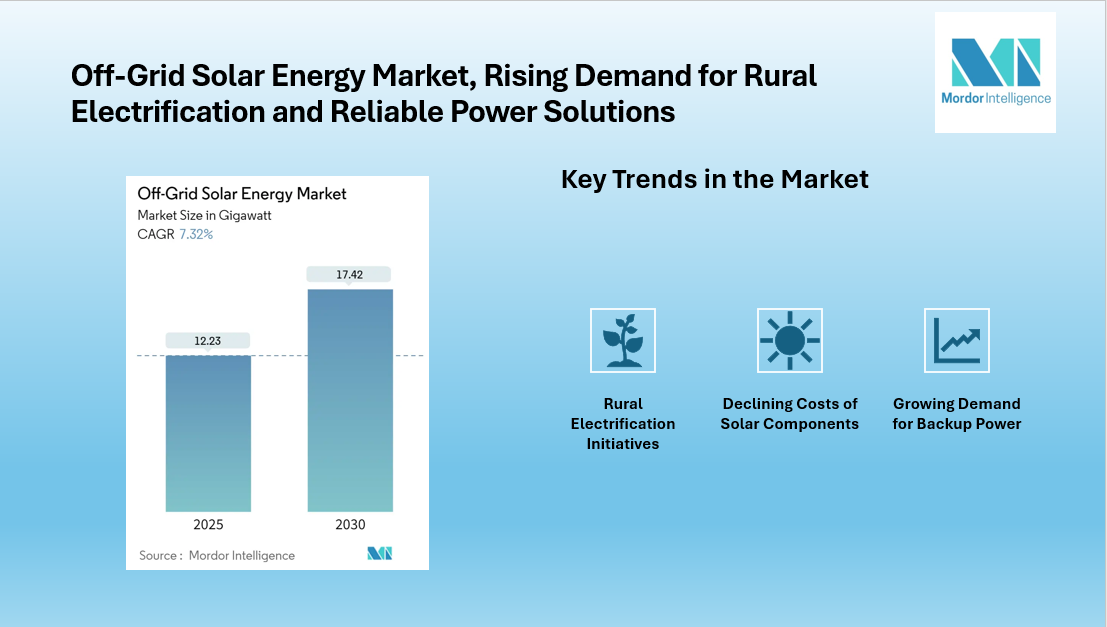
Off-Grid Solar Energy Market to grow at 17.42 GW b...
23 Oct, 2025 13:39
Petroleum Institute Urges Early Take Off of Africa...
23 Oct, 2025 13:45
Algeria inks $5.4 billion energy pact with Saudi M...
23 Oct, 2025 14:03