Generation

Libya signs $20bn deal to boost oil and gas output


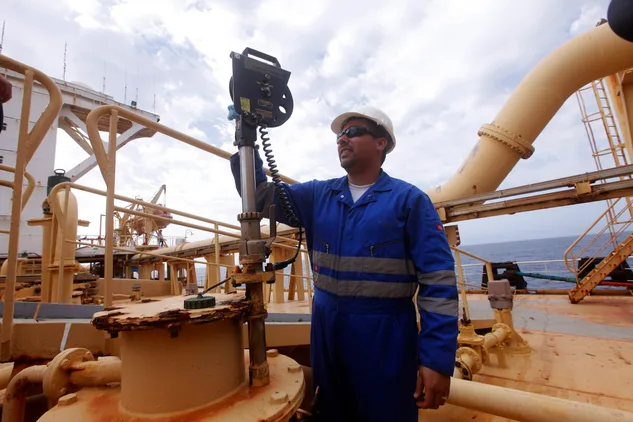
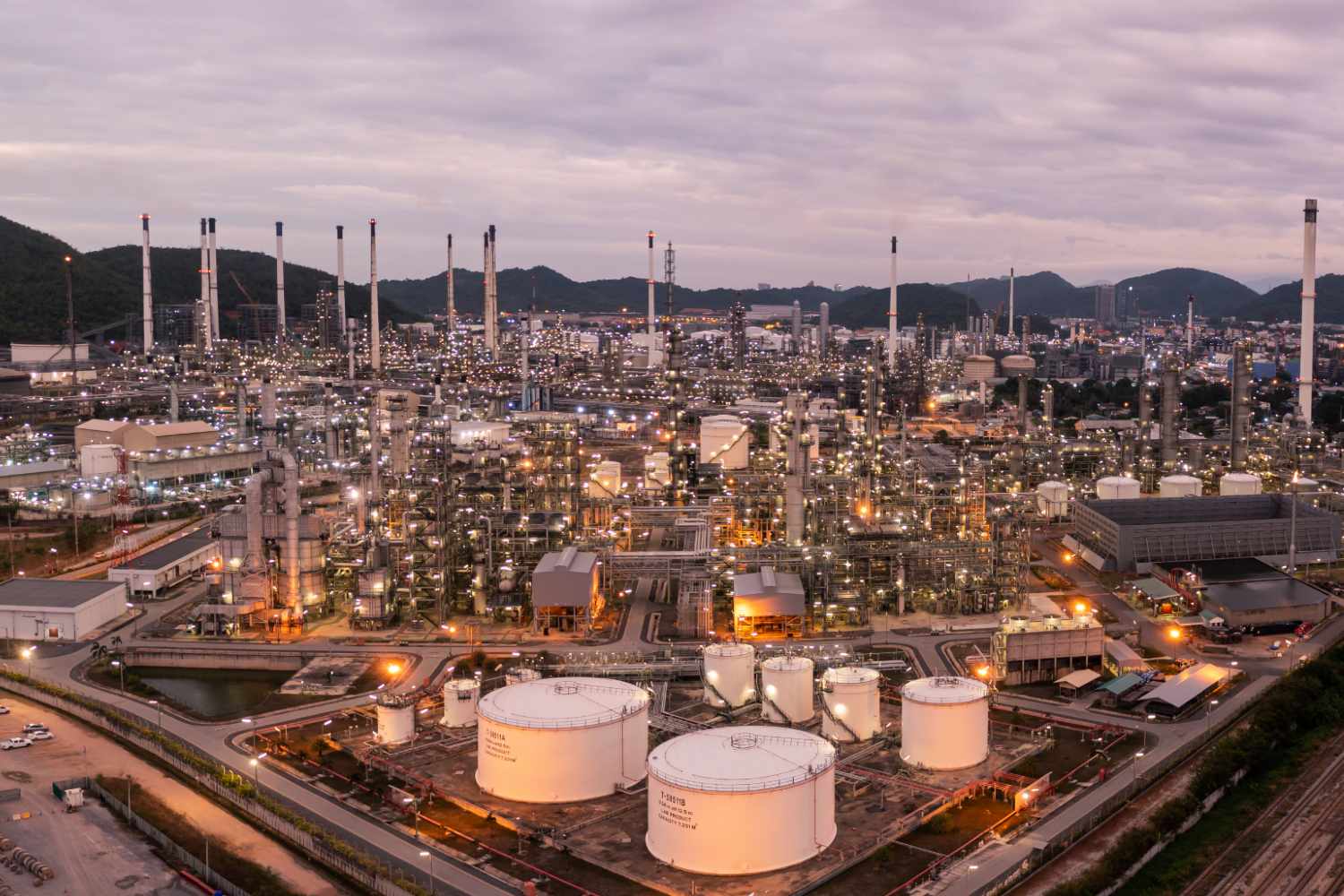
Libya has signed a long-term development deal with France’s TotalEnergies and US-headquartered ConocoPhillips to boost the production capacity of the Waha oil project, one of the largest in the country.
The deal includes an investment of more than $20 billion over 25 years that will increase capacity by up to 850,000 barrels per day (bpd), prime minister Abdul Hamid Al-Dbeibeh said in a post on social messaging platform X.
The expansion will be funded through external financing, and the state’s expected net revenues are estimated at $376 billion, Al-Dbeibeh said.
The state-run Waha Oil Company signed the deal during the Libya Energy and Economic Summit in Tripoli.
Speaking at the summit, Al-Dbeibeh said the country will announce the results of its first major oil and gas licensing round in more than 17 years in February.
The round, launched in March 2025, offered 22 onshore and offshore blocks to international bidders under revised fiscal and profit-sharing terms aimed at improving competitiveness and supporting Libya’s long-term output goals.
“Libya’s oil and gas sector is entering a decisive phase of recovery, driven by rising production, renewed exploration activity and strengthening international partnerships,” he said.
Crude oil output exceeded 1.4 million bpd in 2025, while total production reached more than 1.52 million barrels of oil equivalent per day in early 2026.
Oil revenues totalled $22 billion in 2025, a 15 percent year-on-year increase.
The prime minister said an $8 billion offshore project with Italy’s Eni is scheduled to come online in 2026 and is expected to add 750 million cubic feet per day of gas.
Oil and gas minister Khalifa Abdulsadek said the country planned to launch a second upstream licensing round following a strong response to the 2025 round.
The first round attracted more than 50 companies, including several top-tier international oil businesses, he said.
“This is essential for an economy that depends almost 95 percent on oil and gas. That dependence means the sector must be sustained through a consistent and structured process,” the minister said.
Libya, one of Africa’s biggest oil producers, is a member of the Organization of the Petroleum Exporting Countries. Foreign investors have been wary of pumping money into Libya, in turmoil since the overthrow of Muammar Gaddafi in 2011.
Related Articles
Parliament Committee says no need to review three ...
10 Sep, 2024 07:57
Zimbabwe’s Biggest Miners Seek $182 Million for So...
12 Sep, 2024 06:57
GreenGo Energy Expands into Namibia with Strategic...
12 Sep, 2024 07:51
OPEC Fund approves $1.2 billion for development pr...
13 Sep, 2024 08:59
Floating solar starts to gather pace in Africa, as...
13 Sep, 2024 13:18
Prominent South African energy company files for l...
16 Sep, 2024 11:00
Libyan Export Decline and Fed Speculation Propel O...
17 Sep, 2024 08:00
South Sudan says it is ready to restart pumping oi...
17 Sep, 2024 13:23
Interest grows in Africa’s oil and gas hotspot...
18 Sep, 2024 10:42