Generation

Kaleta Hydropower Station embodies vitality of China-Guinea energy cooperation


The Stark Contrast of the Past
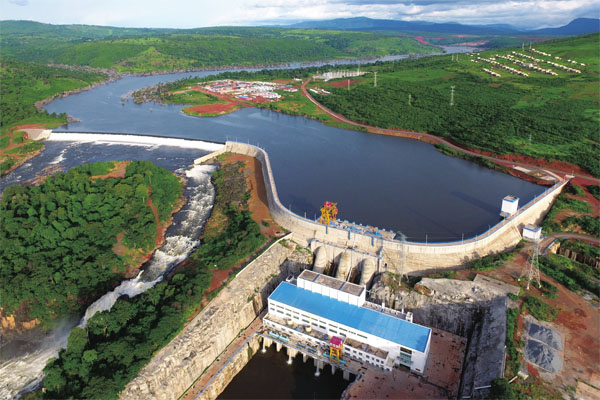
On the Konkoure River flowing down from the Fouta Djallon highlands in central Guinea, the striking structure of the Kaleta Hydropower Station is reflected in the waters. The facility, which now features on Guinea's 20,000-franc banknote, represents a stark contrast to the scene a decade ago.
Despite the region's fame as the "Water Tower" of West Africa, the hum of diesel generators used to cloud Conakry's nights. Over 70 percent of Guinea's power came from expensive and polluting fuel oil, with high costs and a fragile grid severely hindering economic development. "Before Kaleta Hydropower Station was built, power outages were common in our community. We experienced them almost daily, sometimes lasting for hours," recalled Alhassane Bangoura, a local translator who worked on the project.
The Construction of a Power Revolution
In August 2015, the Kaleta Hydropower Station, constructed by China International Water and Electric Corporation (CWE), a wholly-owned subsidiary of China Communications Construction Company Limited, commenced full operations. Its average annual output of 1.125 billion kilowatt-hours of clean electricity filled nearly half of the national power gap and increased the share of renewables in Guinea's energy mix.
"The transmission network built alongside the station delivers power from the capital to 11 prefectures. Remote areas accessed stable electricity for the first time," said Djenabou Diallo, financial manager of the Kaleta Power Plant Management Company.
This revolution was expanded in 2021 when the Souapiti Hydropower Station, also constructed by CWE further upstream on the Konkoure River, began operations. With a combined capacity of 690 megawatts, the Kaleta and Souapiti plants now contribute over 80 percent of Guinea's electricity generation, liberating the country from its reliance on fuel oil.
From Power Deficit to Regional Energy Exporter
This reliable green energy has transformed Guinea from a power-deficient state into a net exporter, supplying electricity to six neighboring countries, including Senegal, Gambia, Guinea-Bissau, and Sierra Leone. "We used to struggle to meet domestic demand. Now, we light up nights in neighboring countries," Diallo told Xinhua with pride.
Building Local Capacity and Skills Transfer
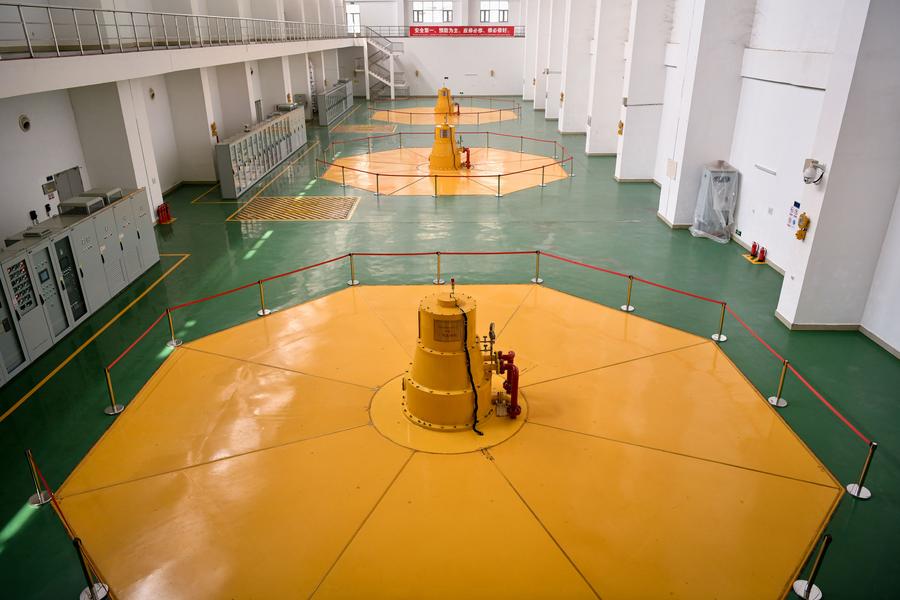
A critical component of the project was knowledge transfer. In Kaleta's control room, Bangoura, now a member of the station's operations team, skillfully assists a local crew. His journey exemplifies the strength of China-Guinea technical cooperation.
"From construction to operation, we received systematic training in welding, electrical work, and equipment maintenance. The 'knowledge transfer' from Chinese engineers gave us valuable skills," he said. At its peak, the Kaleta project created over 1,500 local jobs. Since 2016, CWE partnered with the Guinean government to select nearly 100 Guinean trainees for study in China or at local universities.
"Give a man a fish, and you feed him for a day; teach a man to fish, and you feed him for a lifetime," said Chen Qiuhan, market development director at CWE Guinea. This program was successfully replicated at Souapiti, with Kaleta-trained technicians becoming mentors. Today, Guinean teams can independently handle routine maintenance and participate in scheduling and planning for both stations. "Our Chinese friends taught us not just technology, but the philosophy of sustainable development," Bangoura noted.
Community Integration and Lasting Partnership
The cooperation extended beyond the power plants into the community. The team at the Kaleta project donated equipment benefiting around 20,000 nearby residents, while regular "open days" often drew hundreds of local children to the venue.
"Chinese builders played football with us, celebrated our festivals, and respected our culture like friends. Once, when my family member fell ill, a Chinese colleague helped contact the Chinese medical team and drove us to the hospital," Bangoura recounted.

A Bright Future
As night falls, Kaleta's lights twinkle like stars across the valley. In local homes, children study under lamps, factories hum with machinery, and cities in neighboring countries thrive on Guinean electricity.
"CWE is committed to further cooperation with the Guinean government. By steadily developing the power sector, we aim to better support Guinea's mining development vision," said Chen.
The 20,000-Guinean franc banknote bearing the station's image not only embodies the West African country's progress but also sends a message that travels across mountains and seas: True cooperation ensures the light of advancement reaches every corner.
Related Articles
Parliament Committee says no need to review three ...
10 Sep, 2024 07:57
Zimbabwe’s Biggest Miners Seek $182 Million for So...
12 Sep, 2024 06:57
GreenGo Energy Expands into Namibia with Strategic...
12 Sep, 2024 07:51
OPEC Fund approves $1.2 billion for development pr...
13 Sep, 2024 08:59
Floating solar starts to gather pace in Africa, as...
13 Sep, 2024 13:18
Prominent South African energy company files for l...
16 Sep, 2024 11:00
Libyan Export Decline and Fed Speculation Propel O...
17 Sep, 2024 08:00
South Sudan says it is ready to restart pumping oi...
17 Sep, 2024 13:23
Interest grows in Africa’s oil and gas hotspot...
18 Sep, 2024 10:42