Generation

Is a Libyan Oil Revival Underway


By: Center on global energy policy
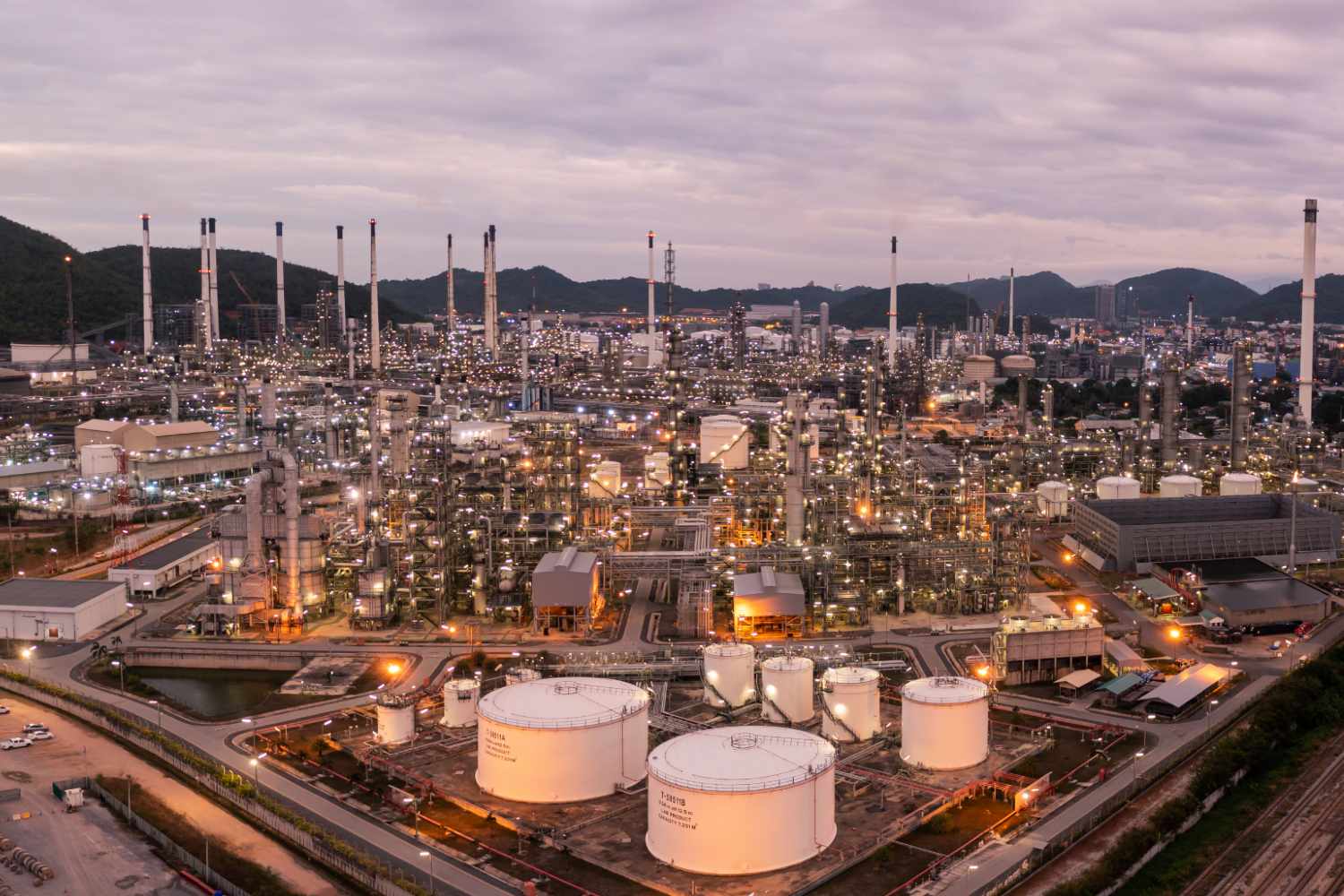
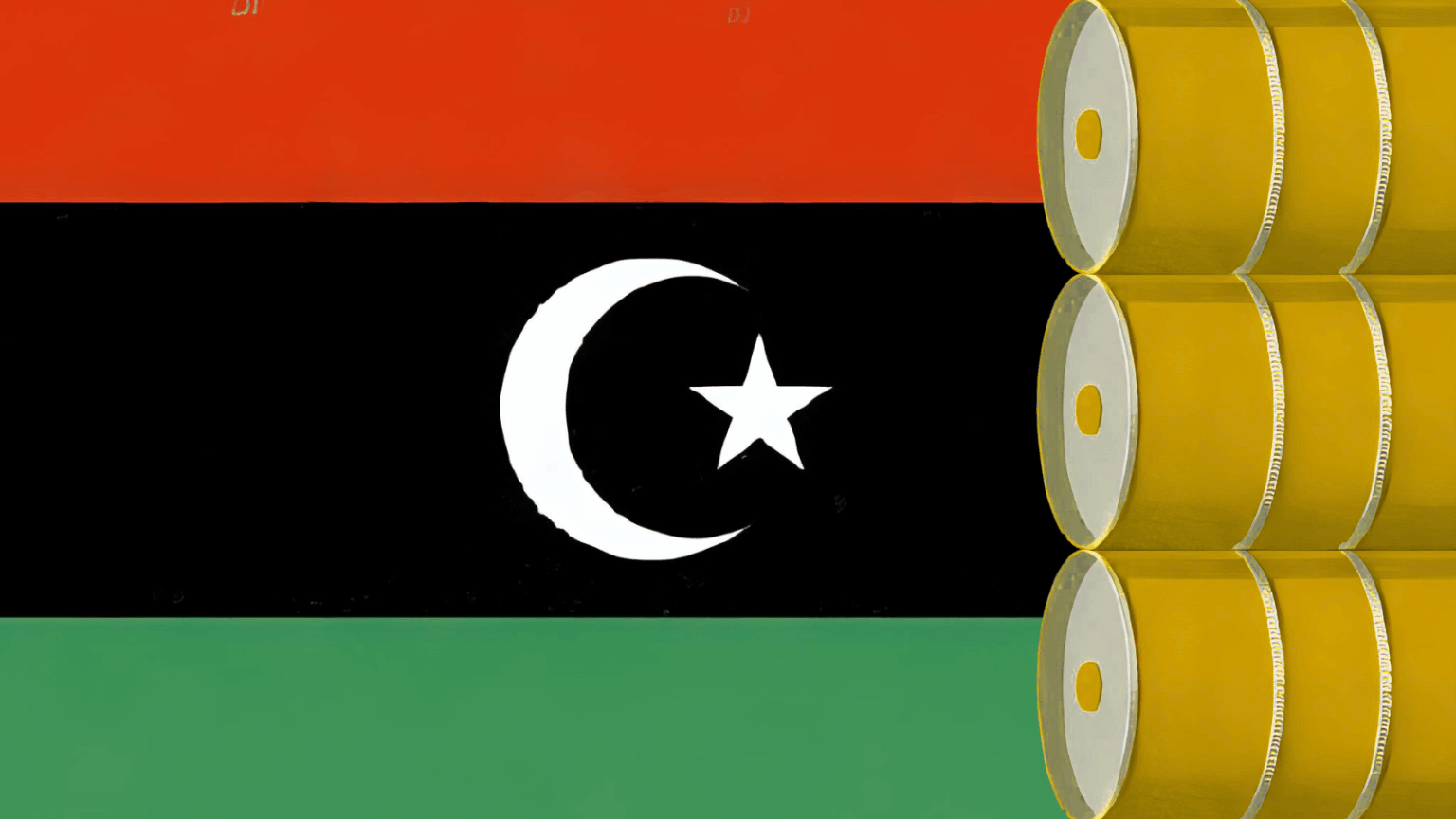
Libya’s launch of its first oil and gas licensing round since 2007 highlights a potential revival as a major oil producer, despite ongoing political risks. The National Oil Corporation (NOC) is targeting 2 million barrels per day (bpd) by 2030, up from an expected 2025 average of nearly 1.4 million bpd. The bid round covers 22 onshore and offshore blocks with substantial exploration potential, drawing interest from major international firms as well as regional and Chinese companies.
This renewed momentum is driven by several factors. International oil companies, particularly European firms, are returning to low-cost Middle East and North Africa projects as shale investments mature and shareholder pressure shifts. Libya has also improved its contractual terms to attract investment. While exploration from the new round is unlikely to contribute significantly by 2030, growth will depend on developing existing fields, addressing technical issues, and leveraging the current political alignment between the rival eastern and western governments.
The relative stability stems from an informal understanding between eastern strongman Khalifa Haftar and the Tripoli-based government of Abdelhamid Dbeibah, which includes opaque fuel-smuggling arrangements that benefit key power brokers. This detente has encouraged investment, though the country remains vulnerable to protests, blockades, and internal disputes.
If Libya succeeds in expanding output, it could influence OPEC+ dynamics. Currently exempt from production quotas due to its instability, Libya may seek to demonstrate high capacity ahead of future OPEC+ negotiations to secure a favorable position. The coming years will test whether the current political alignment and international interest can translate into sustained growth and stability for Libya's oil sector.
Related Articles

Parliament Committee says no need to review three ...
10 Sep, 2024 07:57
Zimbabwe’s Biggest Miners Seek $182 Million for So...
12 Sep, 2024 06:57
GreenGo Energy Expands into Namibia with Strategic...
12 Sep, 2024 07:51
OPEC Fund approves $1.2 billion for development pr...
13 Sep, 2024 08:59
Floating solar starts to gather pace in Africa, as...
13 Sep, 2024 13:18
Prominent South African energy company files for l...
16 Sep, 2024 11:00
Libyan Export Decline and Fed Speculation Propel O...
17 Sep, 2024 08:00
South Sudan says it is ready to restart pumping oi...
17 Sep, 2024 13:23
Interest grows in Africa’s oil and gas hotspot...
18 Sep, 2024 10:42