Energy Markets

Inside the race to fire-up Africa’s power-hungry data centres



Securing reliable and abundant power is an escalating challenge for data centre operators in Africa, as demand for digital infrastructure soars across the continent. Driven by the AI revolution and rising digital connectivity, data centre capacity in Africa's five largest markets is projected to grow from 400 megawatts today to between 1.5 and 2.2 gigawatts by 2030, with key hubs emerging in Kenya, Nigeria, Morocco, and Egypt alongside South Africa.
Operators like Raxio Group prioritize grid connections but invest in dedicated power lines and maintain extensive diesel backup systems to achieve critical "five nines" reliability, a costly and carbon-intensive model. This highlights a green dilemma: while global hyperscalers face pressure to use renewable energy, local African operators often prioritize reliability and cost over sustainability. Power Purchase Agreements (PPAs) with solar developers offer a greener path but are hindered by regulatory barriers outside South Africa, which uniquely permits electricity "wheeling" through the grid.
East Africa, with its high share of renewable generation from geothermal, hydro, and wind, presents a significant opportunity. Ambitious projects, like a proposed 1 GW geothermal-powered data centre campus in Kenya by Microsoft and G42, could redefine the sector. However, such large-scale power demands raise questions in a region where electricity access remains a challenge, though proponents argue data centres stimulate broader economic growth and can catalyze new energy investments that benefit the wider grid.
Related Articles
Renewable Energy Storage Market 2025 Forecast - La...
21 Oct, 2025 07:12
Solar power mistake in South Africa costs homeowne...
21 Oct, 2025 07:54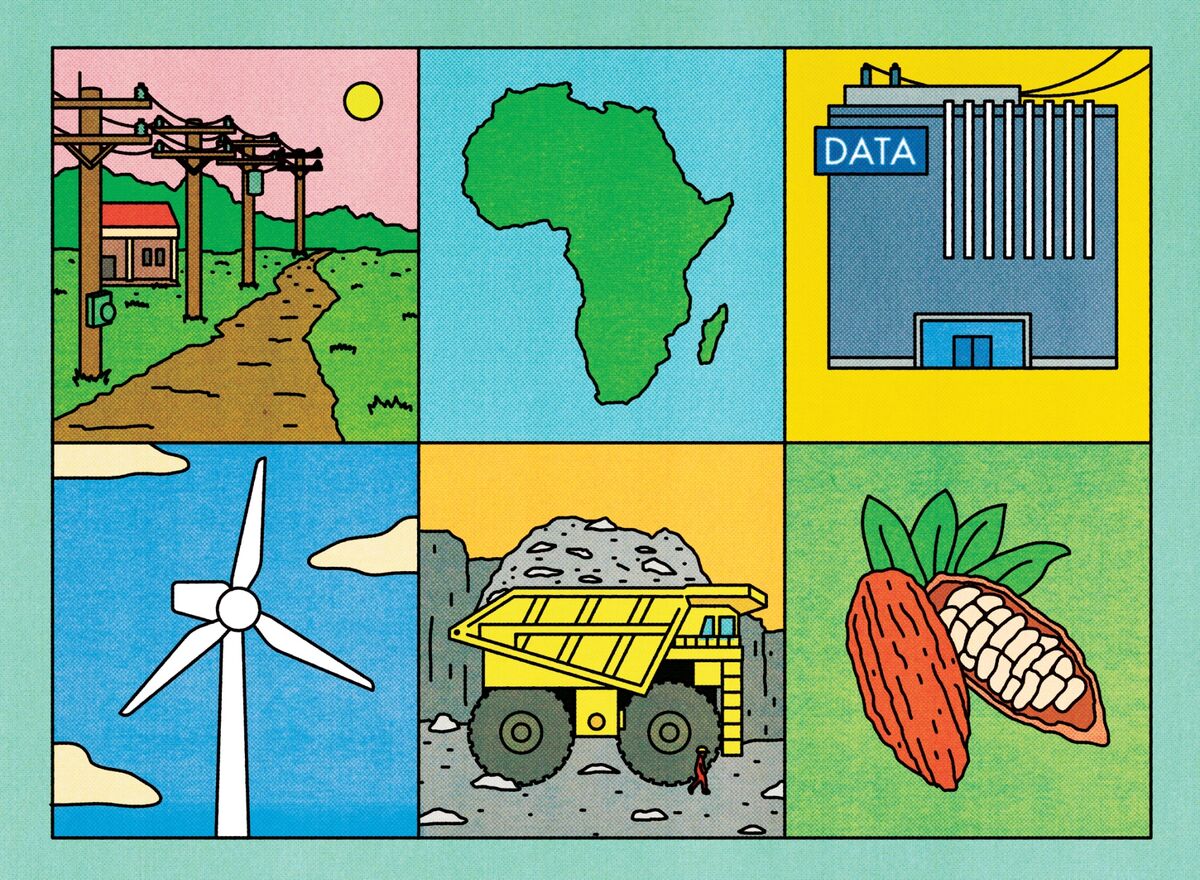
An Investor’s Guide to Africa...
21 Oct, 2025 09:47
Doha Strike Shakes Global Energy Assumptions...
22 Oct, 2025 13:01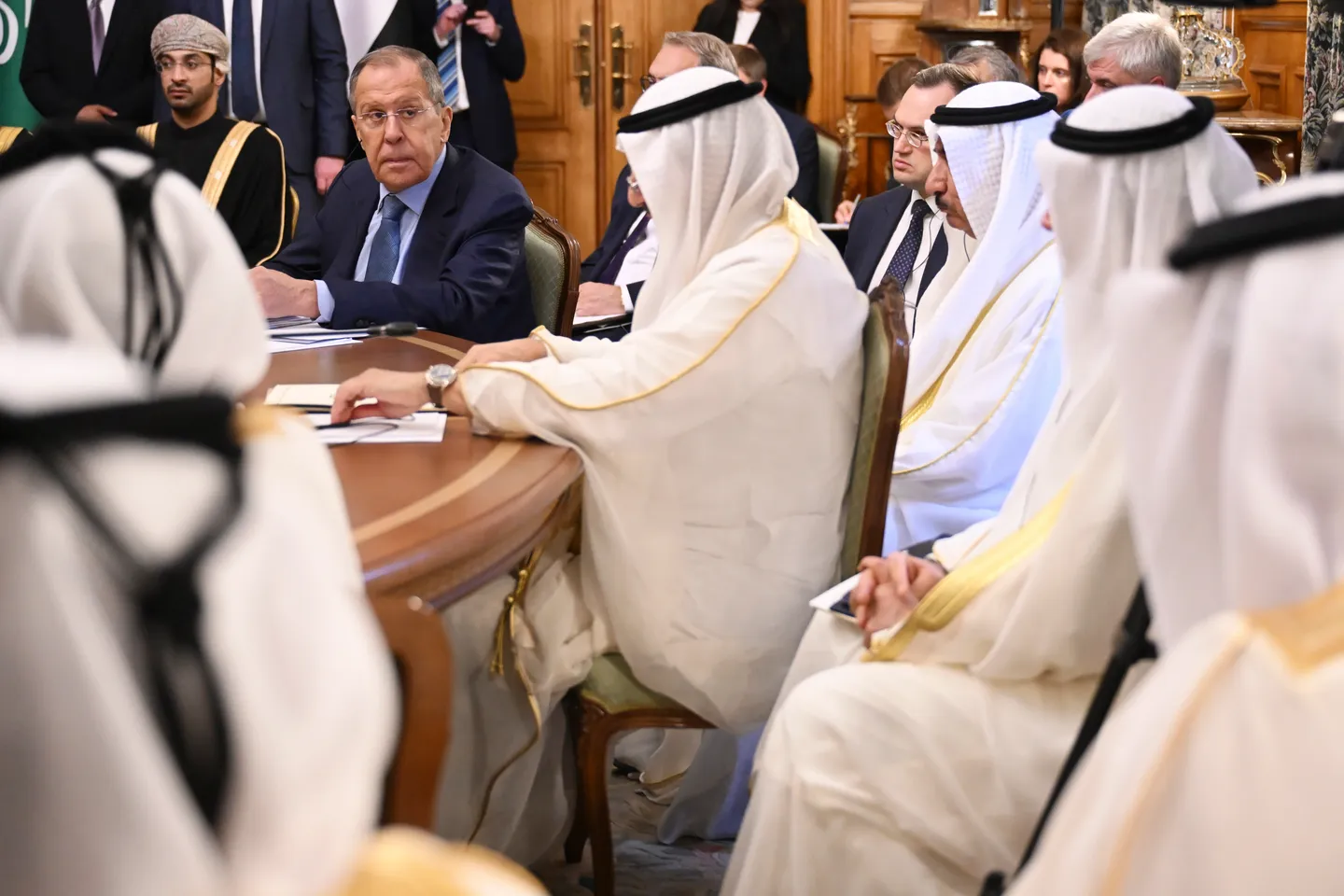
GCC and Russia Deepening ties in a multipolar Midd...
23 Oct, 2025 11:59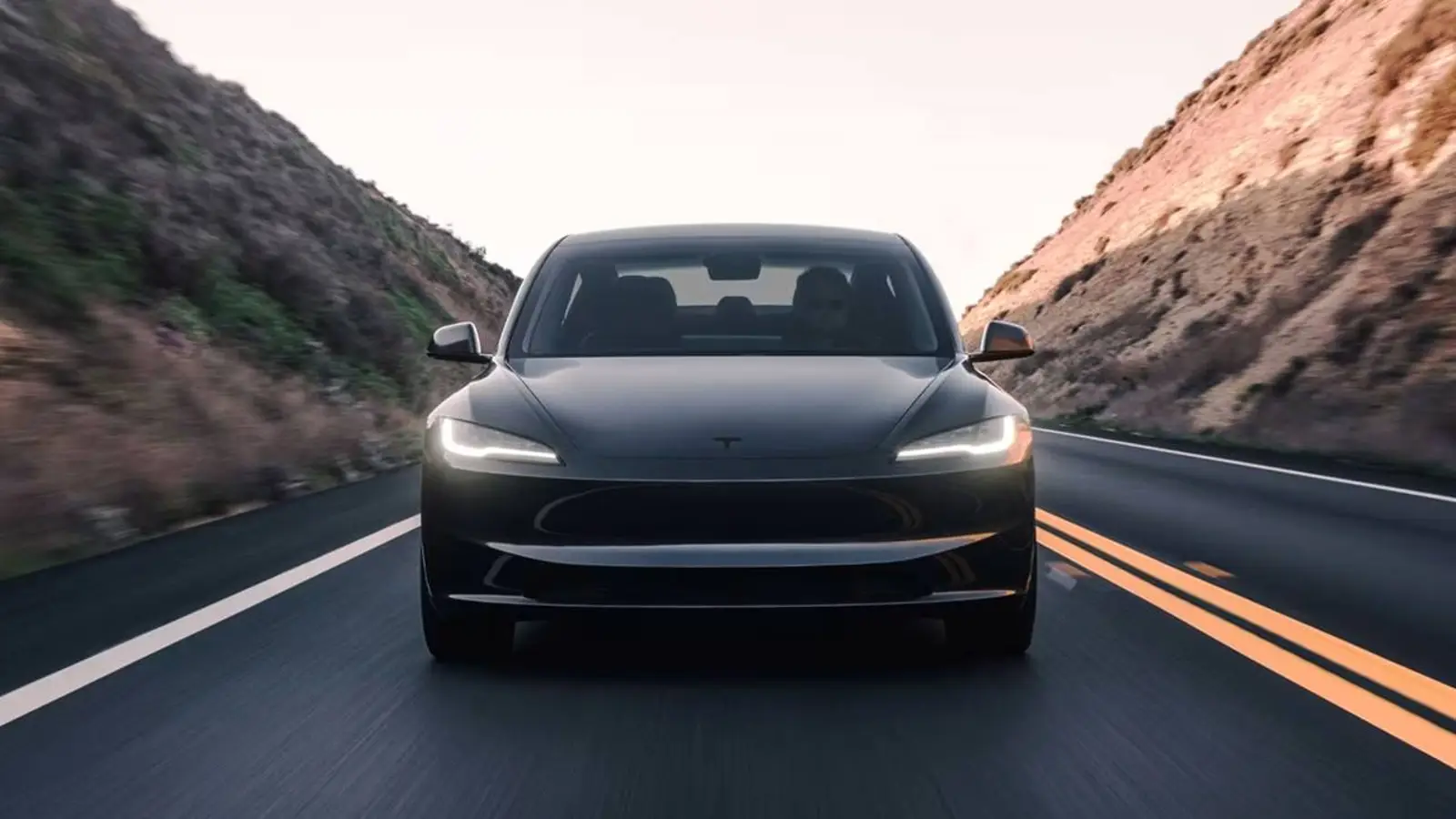
Tesla prepares first steps into Africa with Morocc...
23 Oct, 2025 13:29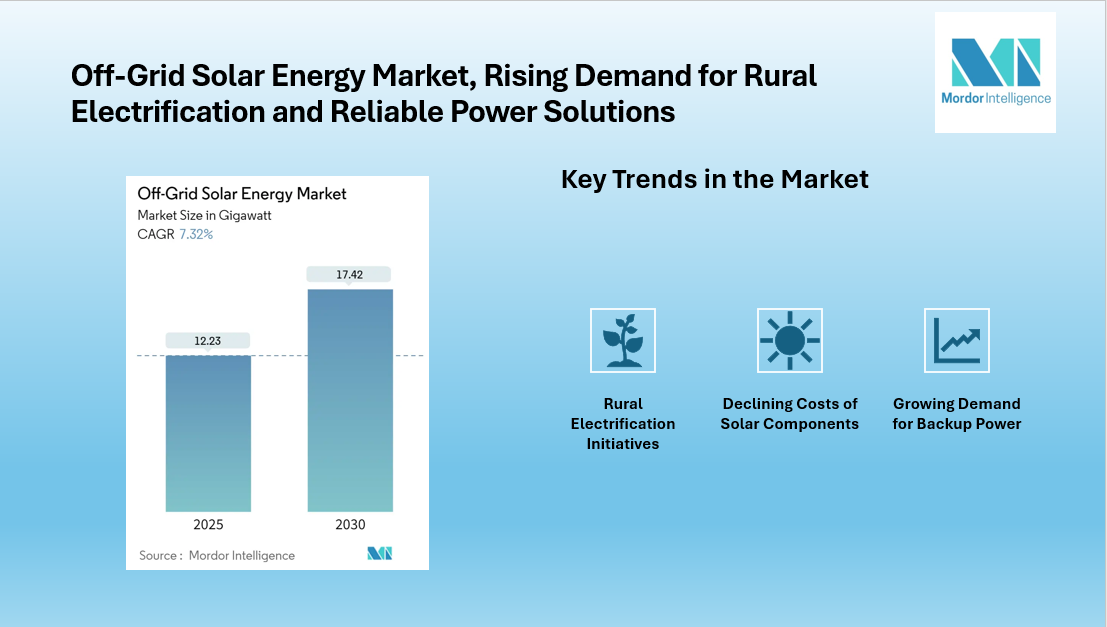
Off-Grid Solar Energy Market to grow at 17.42 GW b...
23 Oct, 2025 13:39
Petroleum Institute Urges Early Take Off of Africa...
23 Oct, 2025 13:45
Algeria inks $5.4 billion energy pact with Saudi M...
23 Oct, 2025 14:03