Generation

IEA sees renewables, nuclear at 50% by 2030


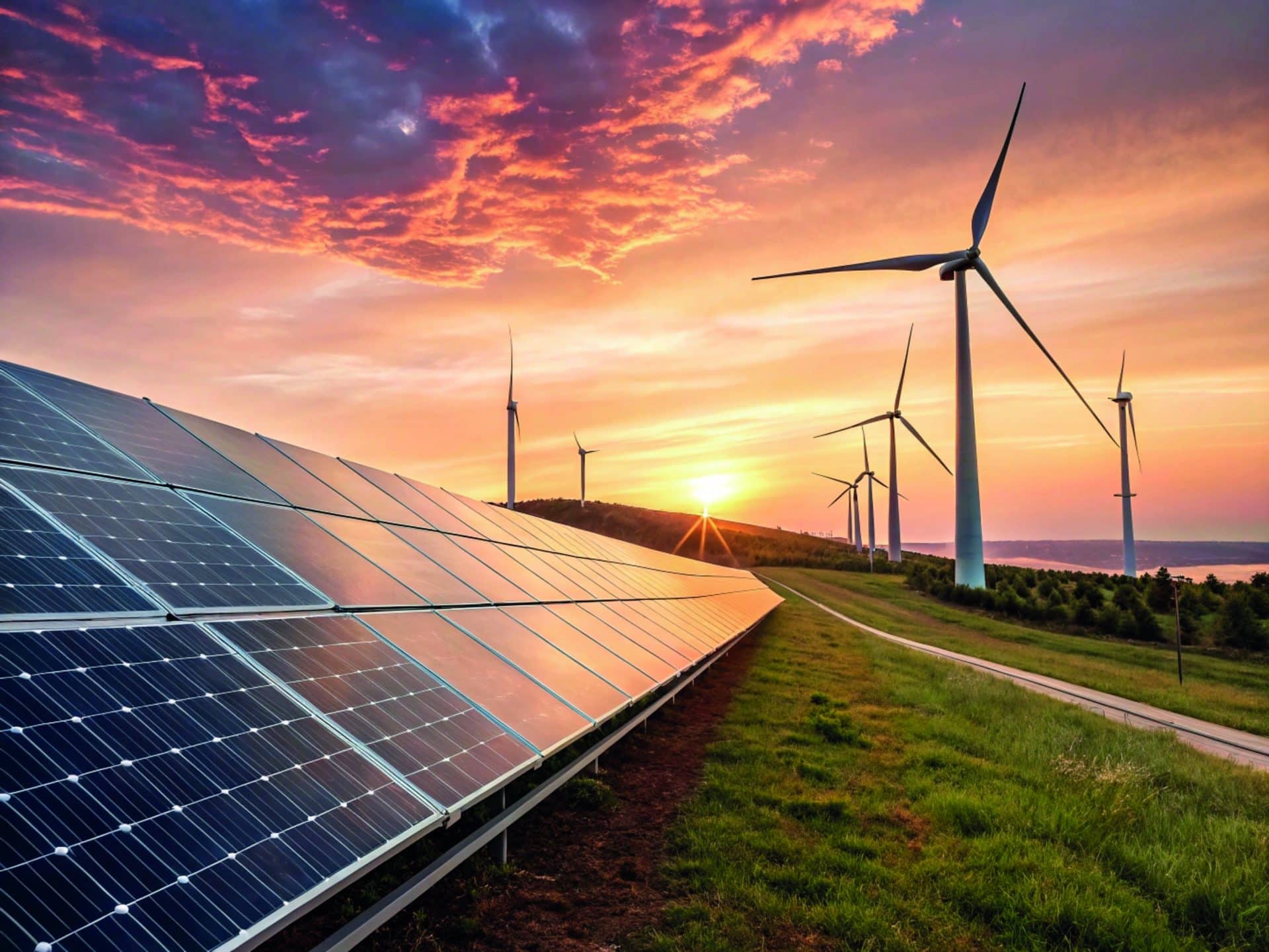
Renewables and nuclear power are set to account for 50% of global electricity generation by the end of this decade, as worldwide power demand accelerates and natural gas-fired generation also expands, according to a new report from the International Energy Agency.
The agency’s Electricity 2026 report forecasts that global electricity demand will grow by more than 3.5% per year on average through 2030, far outpacing overall energy demand as electricity consumption rises across industry, transport, cooling and digital infrastructure.
The IEA said electricity demand is on course to grow at least 2.5 times faster than total energy demand through 2030 as the “Age of Electricity” takes hold. Key drivers include increased industrial electrification, continued growth in electric vehicle adoption, rising air-conditioning use and the rapid expansion of data centres and artificial intelligence.
While emerging and developing economies remain the primary engines of demand growth, consumption in advanced economies is also rising after 15 years of stagnation. The IEA estimates that advanced economies will account for around one-fifth of the global increase in power demand through 2030.
On the supply side, the report finds that electricity generation from renewables – driven by record deployment of solar photovoltaic capacity – is now in the process of overtaking coal-fired generation globally, after the two sources reached near parity in 2025. Nuclear power output also rose to a new record last year.
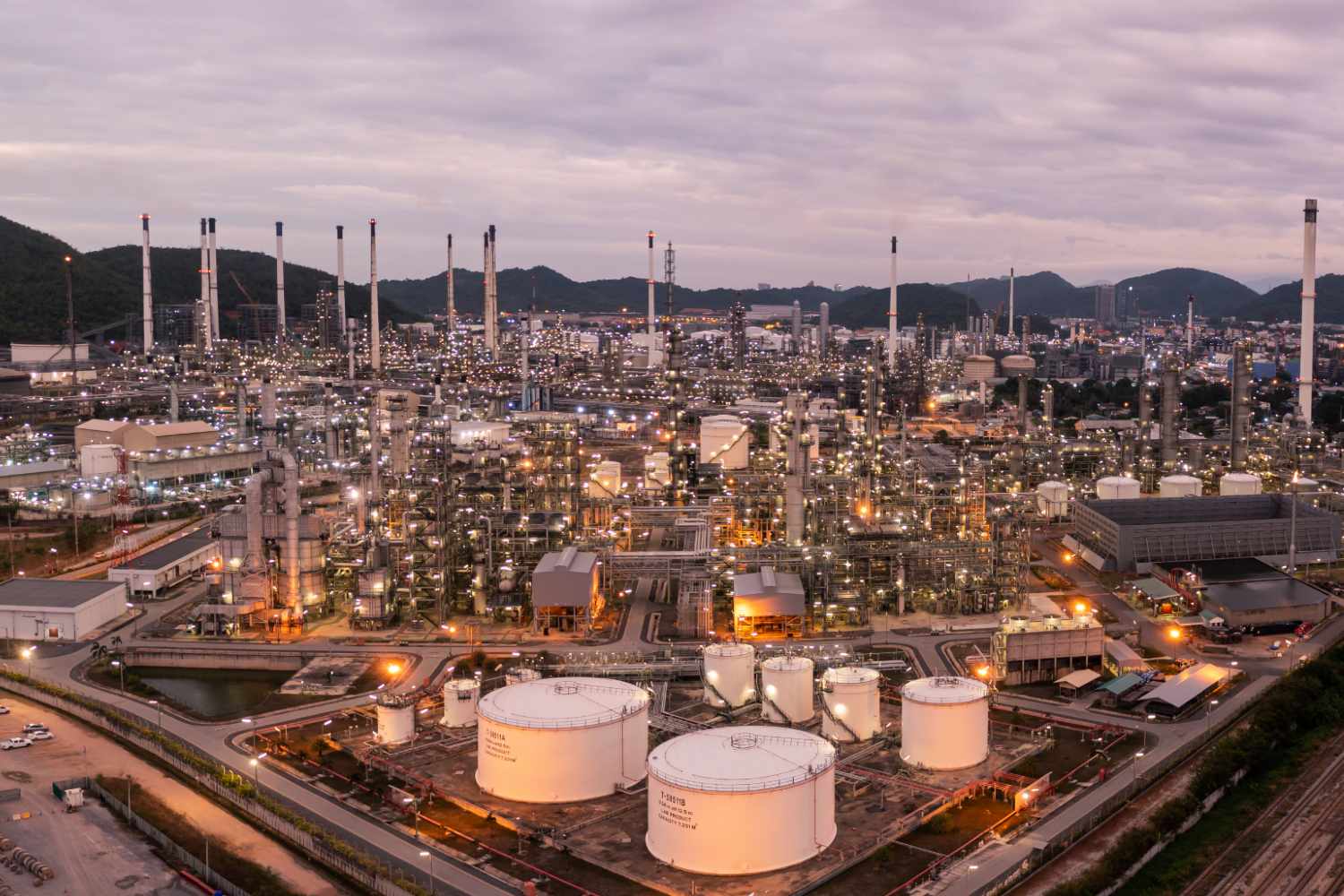
By 2030, renewables and nuclear combined are expected to generate half of the world’s electricity, up from 42% today. Over the same period, natural gas-fired power generation is projected to continue growing, supported by rising demand in the United States and the ongoing shift from oil to gas for power generation in the Middle East.
Coal-fired generation, by contrast, is expected to lose ground as renewables expand, falling back to around 2021 levels by the end of the decade. As a result, global carbon dioxide emissions from electricity generation are forecast to remain broadly flat through 2030.
The IEA cautioned that these trends – including stronger demand growth, a more weather-dependent generation mix and evolving consumption patterns – will place growing pressure on electricity systems and require rapid expansion of grids and system flexibility.
More than 2,500 gigawatts of projects worldwide, spanning renewables, battery storage and large electricity loads such as data centres, are currently stalled in grid connection queues, according to the report.
New analysis shows that deploying grid-enhancing technologies and implementing regulatory reforms to enable more flexible grid connections could allow up to 1,600 gigawatts of queued projects to be integrated in the near term, significantly improving grid utilisation and unlocking capacity.
Keisuke Sadamori, director of energy markets and security at the IEA, said global power consumption growth through 2030 would be equivalent to adding more than two European Unions to today’s electricity demand.
He said meeting this demand will require annual investment in electricity grids to increase by around 50% by 2030, alongside a stronger focus on flexibility, security and system resilience.
The report also highlights rapid growth in utility-scale battery storage, which is emerging as a key source of short-term flexibility. Markets including California, Germany, Texas, South Australia and the United Kingdom have all seen strong recent growth in battery capacity deployment.
At the same time, the IEA warned that electricity affordability is becoming a growing concern. Household electricity prices in many countries have risen faster than incomes since 2019, while elevated power prices are also putting pressure on industrial competitiveness.
As a result, policymakers are increasingly focused on market designs and regulatory frameworks that deliver not only additional investment, but also greater efficiency and flexibility across electricity demand, supply and infrastructure.
The report concludes that improving the security and resilience of power systems will be critical as risks increase from ageing infrastructure, extreme weather events, cyber threats and other emerging vulnerabilities, requiring modernised system operations and stronger protection of critical assets.
Related Articles

Parliament Committee says no need to review three ...
10 Sep, 2024 07:57
Zimbabwe’s Biggest Miners Seek $182 Million for So...
12 Sep, 2024 06:57
GreenGo Energy Expands into Namibia with Strategic...
12 Sep, 2024 07:51
OPEC Fund approves $1.2 billion for development pr...
13 Sep, 2024 08:59
Floating solar starts to gather pace in Africa, as...
13 Sep, 2024 13:18
Prominent South African energy company files for l...
16 Sep, 2024 11:00
Libyan Export Decline and Fed Speculation Propel O...
17 Sep, 2024 08:00
South Sudan says it is ready to restart pumping oi...
17 Sep, 2024 13:23
Interest grows in Africa’s oil and gas hotspot...
18 Sep, 2024 10:42