
Generation

How Africa Is Unlocking Its Solar Market Momentum for a Sustainable Future


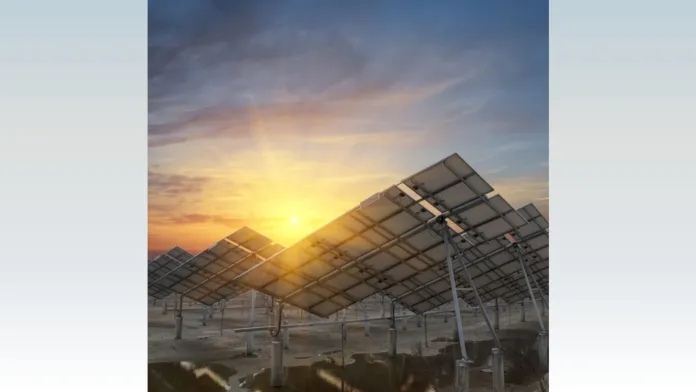
The upcoming Intersolar Africa 2026 conference in Nairobi arrives at a defining moment for the continent's renewable energy landscape. The event underscores a structured and accelerating transition, propelled by aligned policies, technological advances, and private-sector innovation. Africa's solar market is maturing from a niche sector into a robust ecosystem, with sub-Saharan Africa adding over 10 GW of capacity in the past five years—a tangible expansion attracting billions in foreign investment.
Kenya, the event's host nation, exemplifies this momentum. Beyond headline-grabbing wind projects, solar has become a quiet powerhouse, electrifying more than 20% of rural households through pay-as-you-go models. Supported by feed-in tariff reforms and dedicated off-grid programs, Kenya's renewable sector drew $1.2 billion in foreign direct investment last year alone.
This success mirrors broader regional trends. South Africa's Renewable Energy Independent Power Producer Procurement Programme (REIPPPP) has secured over 6 GW of solar capacity, blending international best practices with local adaptation. Meanwhile, mega-projects like Morocco's Noor Complex and cross-border power pools are enhancing energy security and market integration.
Key enablers include dramatically falling photovoltaic module prices—down 89% since 2010—and advances in battery storage tailored to African contexts. The market is also expanding beyond generation into financing, skills development, and supply chains, with green bonds and international climate funds increasingly channeling capital into the continent.
While persistent challenges such as grid limitations and regulatory fragmentation remain, agile policymaking in countries like Rwanda demonstrates they can be overcome. Intersolar Africa 2026 will serve as a critical nexus, connecting around 100 exhibitors—from global manufacturers to local innovators—to foster deals, share knowledge, and accelerate the trajectory toward realizing Africa's estimated 10 TW of solar potential.
Related Articles

Parliament Committee says no need to review three ...
10 Sep, 2024 07:57
Zimbabwe’s Biggest Miners Seek $182 Million for So...
12 Sep, 2024 06:57
GreenGo Energy Expands into Namibia with Strategic...
12 Sep, 2024 07:51
OPEC Fund approves $1.2 billion for development pr...
13 Sep, 2024 08:59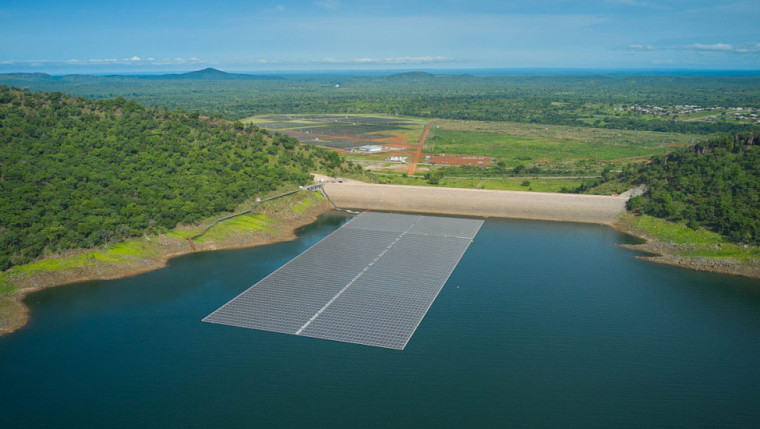
Floating solar starts to gather pace in Africa, as...
13 Sep, 2024 13:18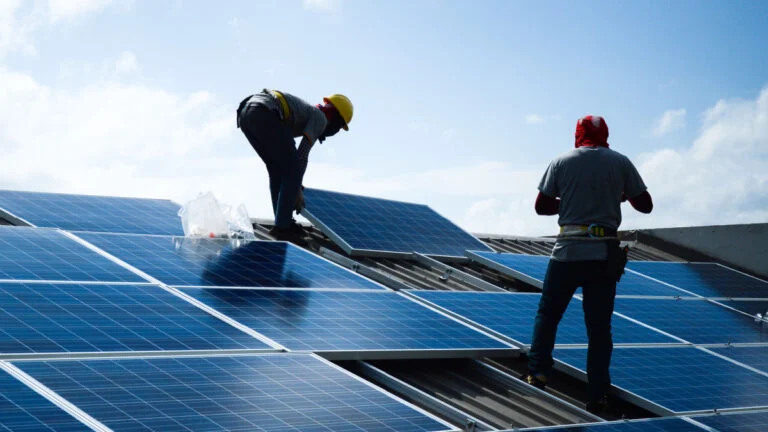
Prominent South African energy company files for l...
16 Sep, 2024 11:00
Libyan Export Decline and Fed Speculation Propel O...
17 Sep, 2024 08:00
South Sudan says it is ready to restart pumping oi...
17 Sep, 2024 13:23
Interest grows in Africa’s oil and gas hotspot...
18 Sep, 2024 10:42