Generation

Green energy, old power Who controls the energy transition in the MENA


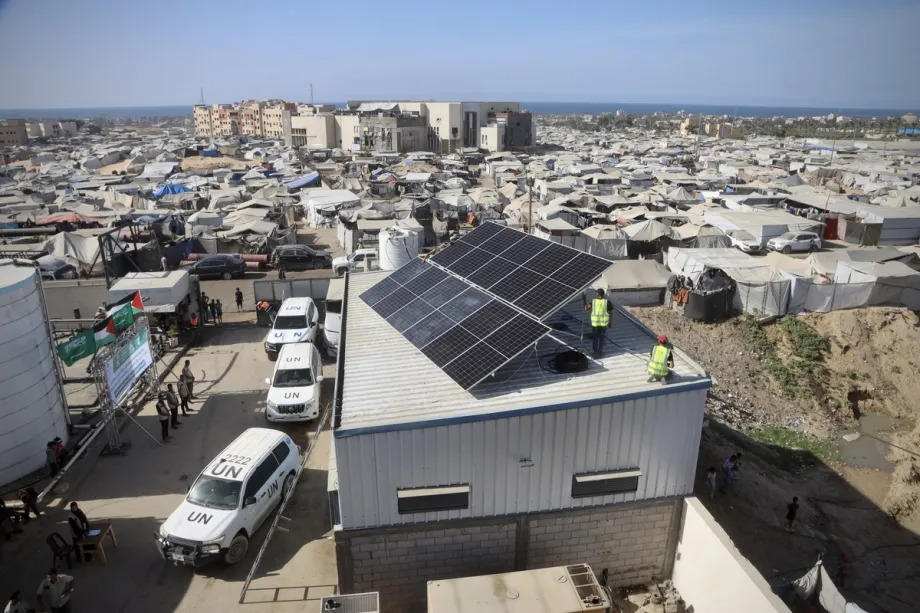
When you consider the energy transition in the Middle East and North Africa (MENA), it's crucial to look beyond solar panels and wind turbines. For many, especially in places like Gaza, electricity isn't just a service—it's a matter of survival, dignity, and political power. This region's shift to renewables isn't simply a technical switch; it's a deeply political process that reshapes who holds power, who benefits from new investments, and who bears the cost of change.
You might see governments promoting grand "Vision" strategies for clean energy as a path to modernization. However, these projects are often large, centralized initiatives that follow the same logic as the old fossil fuel system, keeping control in the hands of established elites and state institutions. This means that, without deliberate reforms, the green transition could simply reproduce existing inequalities under a cleaner label.
The real challenge for you to understand is the social contract. For decades, cheap, subsidized energy has been a tool for stability. As governments remove subsidies to fund new renewables, they risk sparking unrest if the burden falls unfairly on low-income households. A just transition must include protections like lifeline tariffs and visible public benefits, or it will be seen as a punishment, not progress.
Finally, you must recognize the extreme case of Gaza, where electricity shortages are a weapon of political pressure, not a technical failure. Here, and in other fragile contexts, renewable energy cannot be a true solution unless it addresses the underlying issues of occupation, control, and sovereignty. Ultimately, the success of the MENA's energy future won't be measured in megawatts alone, but in whether it distributes power more justly and becomes a source of dignity for all.
Related Articles

Parliament Committee says no need to review three ...
10 Sep, 2024 07:57
Zimbabwe’s Biggest Miners Seek $182 Million for So...
12 Sep, 2024 06:57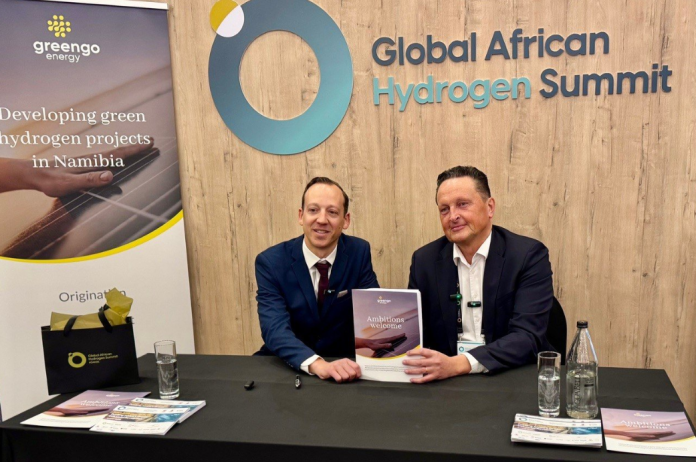
GreenGo Energy Expands into Namibia with Strategic...
12 Sep, 2024 07:51
OPEC Fund approves $1.2 billion for development pr...
13 Sep, 2024 08:59
Floating solar starts to gather pace in Africa, as...
13 Sep, 2024 13:18
Prominent South African energy company files for l...
16 Sep, 2024 11:00
Libyan Export Decline and Fed Speculation Propel O...
17 Sep, 2024 08:00
South Sudan says it is ready to restart pumping oi...
17 Sep, 2024 13:23
Interest grows in Africa’s oil and gas hotspot...
18 Sep, 2024 10:42