Metal Markets

Gold prices tumble 9 percent to $4,453; silver declines over 14 percent to $73 as hawkish Fed pivot and dollar strength weigh on markets


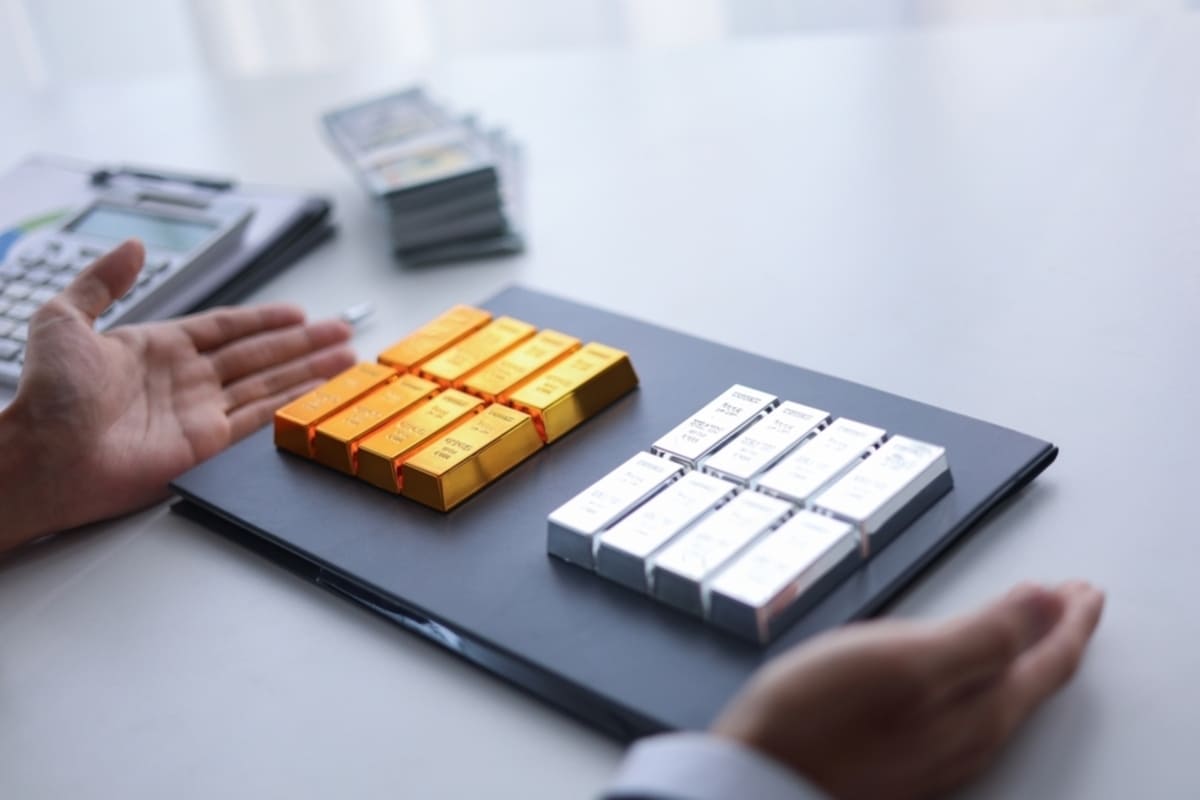
The precious metals complex faced a major correction on Monday, as spot gold slid 8.99 percent toward $4,453.44 and silver declined 14.14 percent to $73.27 following a historic January rally. Both gold and silver extended a brutal sell-off that began late last week. After hitting an all-time high of nearly $5,600 per ounce in late January, spot gold tumbled more than 6.94 percent in early trading, while silver continued its flash crash trajectory, falling toward $73 per ounce—a significant decline from its recent peak of $121.78. Additionally, U.S. futures slid 5.60 percent to $4,474.84.
This follows a volatile session on Friday where the yellow metal first breached the $5,000 psychological barrier before retreating. In the futures market, COMEX gold for April delivery was seen hovering around $4,729, down from its Thursday peak of $5,594.82.
The shift in market sentiment is primarily attributed to a strengthening U.S. dollar and a pivotal change in the leadership outlook of the U.S. Federal Reserve, which has forced investors to reassess the debasement trade that fueled much of the recent gains. Silver lived up to its reputation for volatility. After a historic 26 percent plunge on Friday—the largest single-day drop in decades—the white metal fell another 6-10 percent on Monday to trade near $75-76 per ounce. The correction has erased nearly 35 percent of silver’s value in just three trading sessions, catching many leveraged retail investors in a massive margin squeeze.
In the Middle East and South Asia, the price correction is being felt acutely. In Dubai, often called the “City of Gold,” retail premiums have shifted as buyers wait for a potential floor in the market.
In the UAE, gold rates have experienced a significant drop, with 24-carat gold falling by AED40.75 to AED548.75. Likewise, 22-carat gold decreased by AED37.50 to AED508.25. Additionally, 21-carat gold dropped by AED36.00 to AED487.25, while 18-carat gold fell by AED30.75, reaching AED417.75.
In India, the market remains fixated on the Union Budget 2026, presented on February 1. While the government maintained fiscal discipline, the volatility in global prices saw MCX gold futures drop below INR1,45,000 per 10 grams. Analysts suggest that while the immediate price action is bearish, the structural deficit in silver—driven by AI data centers and solar infrastructure—remains a long-term support pillar.
The “Warsh effect” and dollar recovery
The catalyst for the sudden reversal appears to be political and monetary. President Donald Trump’s nomination of former Federal Reserve Governor Kevin Warsh to succeed Jerome Powell as Fed Chair has sent shockwaves through the bullion market. Warsh is widely perceived by Wall Street as a “hawk”—a policymaker more inclined to maintain higher interest rates to combat inflation rather than pursuing aggressive cuts.
This hawkish tilt has revitalized the U.S. Dollar Index (DXY), which climbed to 97.12 on Monday. A stronger greenback traditionally makes dollar-denominated assets like gold and silver more expensive for international buyers, dampening demand. Simultaneously, the 10-year U.S. Treasury yield stabilized near 4.23 percent, increasing the opportunity cost of holding non-yielding precious metals.
CME margin hikes trigger liquidation
Adding fuel to the sell-off, the CME Group announced an immediate hike in margin requirements for gold and silver futures late Sunday. Margins for silver were increased from 11 percent to 15 percent, while gold requirements rose from 6 percent to 8 percent.
These regulatory moves are designed to curb extreme volatility but often result in “forced liquidation.” Traders who could not meet the higher collateral requirements were forced to dump their positions, leading to the “domino effect” seen across Asian and European trading desks this morning.
“Traders are unnerved by the market tumult,” noted Tim Waterer, Chief Market Analyst at KCM Trade. “The slump in gold and silver is effectively having a domino effect on the rest of the market, leading to a broader de-risking phase.”
Is the bull run over?
“The current correction is a healthy, albeit painful, reset,” said a commodity strategist at Goldman Sachs. “We still see gold targeting $6,000 by late 2026 as global debt concerns and de-dollarization trends are unlikely to vanish overnight.”
Meanwhile, JP Morgan announced late Sunday that it anticipates demand from central banks and investors will push gold prices to $6,300 per ounce by the end of the year.
For now, investors are turning their attention to the upcoming U.S. Non-Farm Payrolls (NFP) report due on February 6, which will provide the first major test for the “higher for longer” interest rate narrative under the new Fed leadership.
Related Articles

Saudi Arabia champions global partnerships to powe...
21 Oct, 2025 06:51
Can Turkey Become a Rare Earth Element Power?...
23 Oct, 2025 13:24
Orion Minerals Set to Develop Secure, Responsible,...
23 Oct, 2025 14:12
Investing in Platinum Stocks...
24 Oct, 2025 06:56
Copper And Aluminum Prices Climb As Supply Worries...
24 Oct, 2025 07:09
Dubai 24-carat gold prices dip AED3.75 as global r...
24 Oct, 2025 12:06
Bauxite sales up but tariffs on Chinese metal ship...
27 Oct, 2025 13:15
Angola bids for majority stake in De Beers, source...
28 Oct, 2025 07:02
Dubai 24-carat gold price today drops AED479; glob...
28 Oct, 2025 08:15