Metal Markets

Gold prices near record highs at $4,633 on Fed rate cut bets; UAE rates rise to AED558



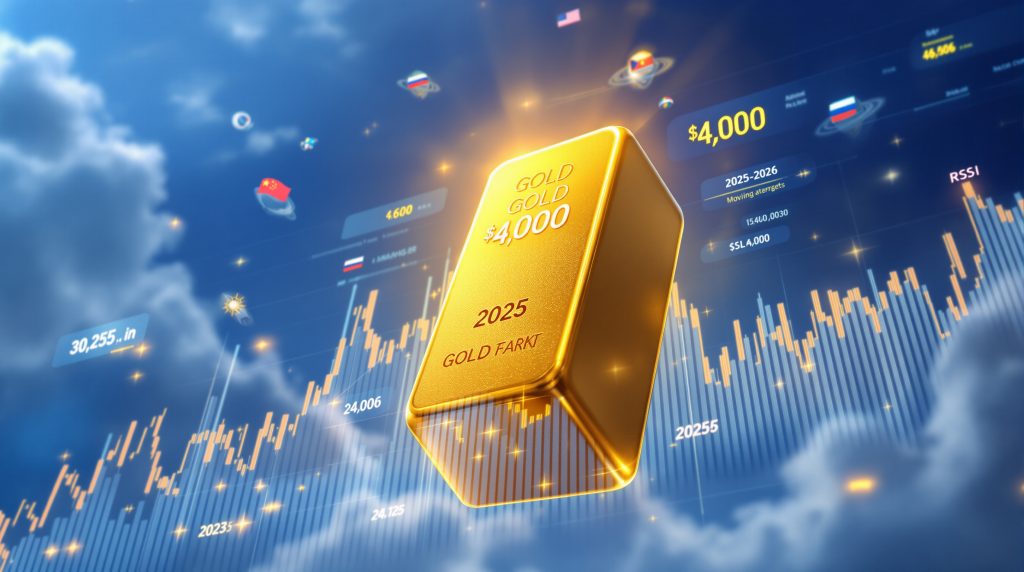
Gold prices hovered near all-time highs on Wednesday, driven by market expectations of Federal Reserve rate cuts, while silver surged past the historic $91 per ounce mark for the first time. Spot gold traded around $4,633.8 per troy ounce, within a bullish channel, following a record peak of $4,634.33 the previous day. Meanwhile, gold futures traded 0.90 percent higher near $4,640.
This momentum reflects broader safe-haven demand amid softer U.S. inflation data and geopolitical tensions.
Gold maintained upward pressure early on January 14, with XAU/USD at $4,597, signaling short-term bullish trends via moving averages. Analysts forecasted a potential bearish correction testing support at $4,575, followed by a rebound targeting above $4,775. Silver, meanwhile, cracked $90 by 03:08 GMT, up over 3 percent amid supply concerns and rate cut bets, after hitting a new high of $91.53.
In the UAE, gold rates rose slightly on Wednesday, with 24-carat and 22-carat gold both up by AED2.50, reaching AED558.00 and AED516.75, respectively. Additionally, 21-carat gold increased by AED2.25, bringing the price to AED495.50. Meanwhile, 18-carat gold saw a rise of AED1.75, now priced at AED424.50.
Softer U.S. core CPI data, at 0.2 percent monthly versus an expected 0.3 percent and 2.6 percent annually, fueled bets for two Fed rate cuts in 2026. Lower rates reduce the opportunity cost of holding non-yielding assets like gold and silver, boosting their appeal. Experts like Rahul Kalantri from Mehta Equities noted this shifts sentiment toward rate easing.
Geopolitical risks intensified demand, including U.S. responses to unrest in Iran and policy uncertainties under President Trump. Silver’s rally was fueled by its dual role as an industrial metal and safe haven, with industrial demand from solar, EVs, and AI accounting for 50 percent of consumption.
Silver breached $91 per ounce for the first time, marking a 161 percent yearly rise and nearly 28 percent up in the first two weeks of 2026. Supply deficits, estimated at 500 tonnes annually, were exacerbated by China’s export restrictions requiring licenses for at least 80-tonne shipments. Stockpiles in London, China, and the U.S. hit multi-year lows, with ETF inflows resuming after years of outflows.
Gold operated within a rising trend channel, with prices breaking above signal lines indicating buyer dominance. Key signals include RSI bullish support and rebounds from the ascending channel’s lower boundary. Upside acceleration awaits a close above $4,635 resistance.
Bearish risks exist if prices break the $4,525 support, invalidating the uptrend and targeting below $4,465. Recent records include $4,629.94 on Monday and $4,634.33 on Tuesday, with February futures at $4,631.30. Safe-haven flows persisted despite the Fed holding rates steady at the January 27-28 meeting after 75 basis points cuts last year.
Platinum jumped 1.75 percent to $2,332.15, peaking at $2,377.50, while palladium surged 4.35 percent to $1,938.10, its highest in three years. These gains, with platinum up 160 percent yearly, mirror gold and silver’s trajectory driven by similar factors.
Fed uncertainty, including probes into Chair Jerome Powell, fueled safe-haven rushes. Markets downplayed pullbacks as positioning rather than fundamental shifts, supporting silver near $88-$90 recently.
Precious metals entered 2026 strong after massive 2025 gains: gold over 70 percent and silver 150 percent or more. Forecasts for January 14 anticipated gold’s correction followed by a rebound, with silver’s supply crunch sustaining momentum. The U.S. classification of silver as a critical mineral bolsters its outlook. Investors are watching upcoming Fed decisions and inflation reports for insights. Global risks, from Middle East tensions to trade policies, are likely to prolong the bull run.
Related Articles

Saudi Arabia champions global partnerships to powe...
21 Oct, 2025 06:51
Can Turkey Become a Rare Earth Element Power?...
23 Oct, 2025 13:24
Orion Minerals Set to Develop Secure, Responsible,...
23 Oct, 2025 14:12
Investing in Platinum Stocks...
24 Oct, 2025 06:56
Copper And Aluminum Prices Climb As Supply Worries...
24 Oct, 2025 07:09
Dubai 24-carat gold prices dip AED3.75 as global r...
24 Oct, 2025 12:06
Bauxite sales up but tariffs on Chinese metal ship...
27 Oct, 2025 13:15
Angola bids for majority stake in De Beers, source...
28 Oct, 2025 07:02
Dubai 24-carat gold price today drops AED479; glob...
28 Oct, 2025 08:15