Distribution

Ghana Commissions LPG Tanker to Support Expansion of Domestic Gas Market



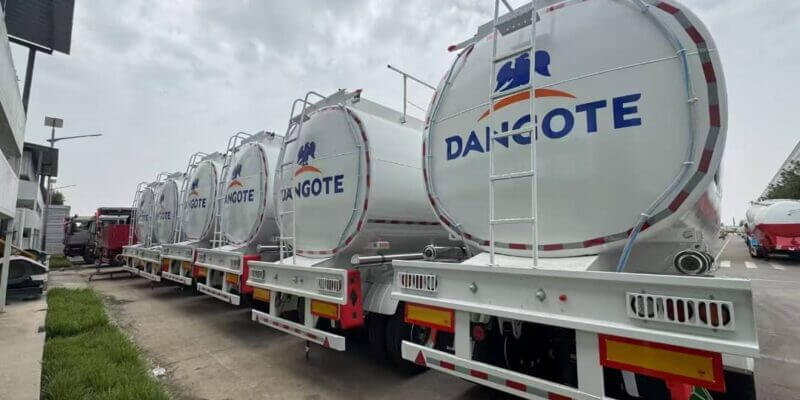
Ghana commissioned a new liquefied petroleum gas tanker, the MT Asharami Ghana, during a ceremony in Ulsan, South Korea, on Thursday, March 12, 2026, attended by President John Dramani Mahama.
The vessel, destined for Sahara Energy Resources, is intended to strengthen the country’s LPG supply chain. Its deployment aims to improve supply reliability, ensure greater availability for households and industries, and help stabilize prices through more efficient logistics.
The initiative is part of a broader strategy to secure the country’s energy supply. Demand for LPG is expected to grow in the coming years as Ghanaian authorities step up efforts to expand access to clean cooking solutions.
On Sunday, March 15, 2026, during a parliamentary session, Energy and Green Transition Minister John Abdulai Jinapor announced that the country was considering ending imports of domestic gas cylinders. He said the move was part of a local content policy designed to create a market for domestic manufacturers, from whom distributors would be expected to source supplies rather than rely on imports.
The government also plans to strengthen distribution logistics to support the anticipated expansion of the LPG market. State-owned company GOIL is considering investing about $50 million to increase storage capacity and improve distribution infrastructure. These initiatives are in line with government policy promoting cleaner cooking solutions, as nearly 75% of households in the country still use firewood or charcoal for cooking, according to data from the Ministry of Energy.
Against this backdrop, the arrival of the MT Asharami Ghana, combined with industrial modernization projects and investments in distribution, reflects the authorities’ intent to structure the entire LPG supply chain, from maritime logistics to household access to cleaner energy.
Several challenges could, however, slow the implementation of this strategy. Upgrading the Ghana Cylinder Manufacturing Company (GCMC) plant, which remains at the project stage, and scaling up distribution capacity will require significant investment and rigorous technical oversight.
Securing imports will also be essential to prevent supply disruptions, a factor that will be critical to better controlling retail prices on the market.
Related Articles
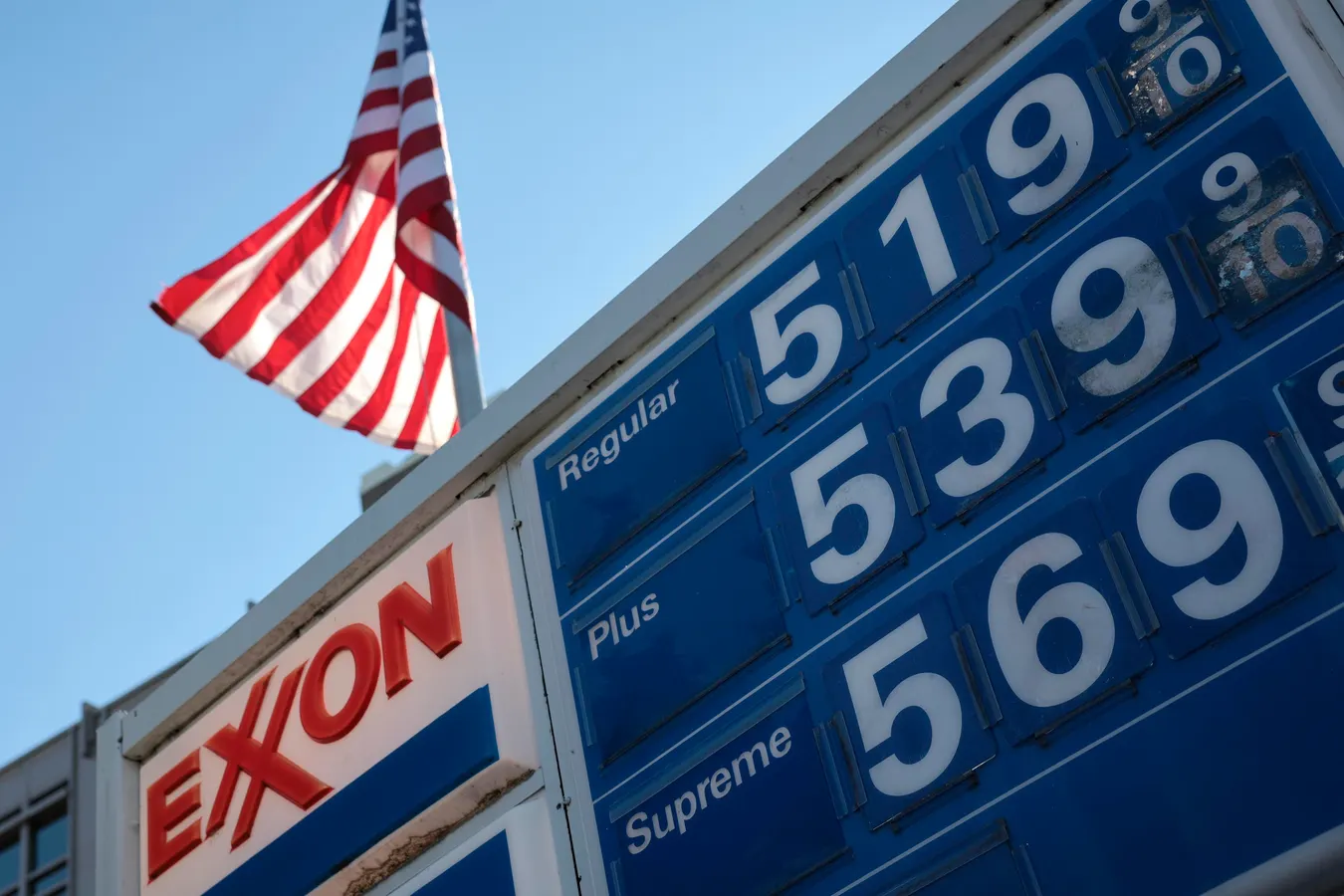
US average diesel prices cross $5 a gallon as Midd...
17 Mar, 2026 08:34
Six African countries with cheapest petrol prices ...
17 Mar, 2026 08:56
Ethiopia Intensifies Sustainable Energy Drive to M...
19 Mar, 2026 10:18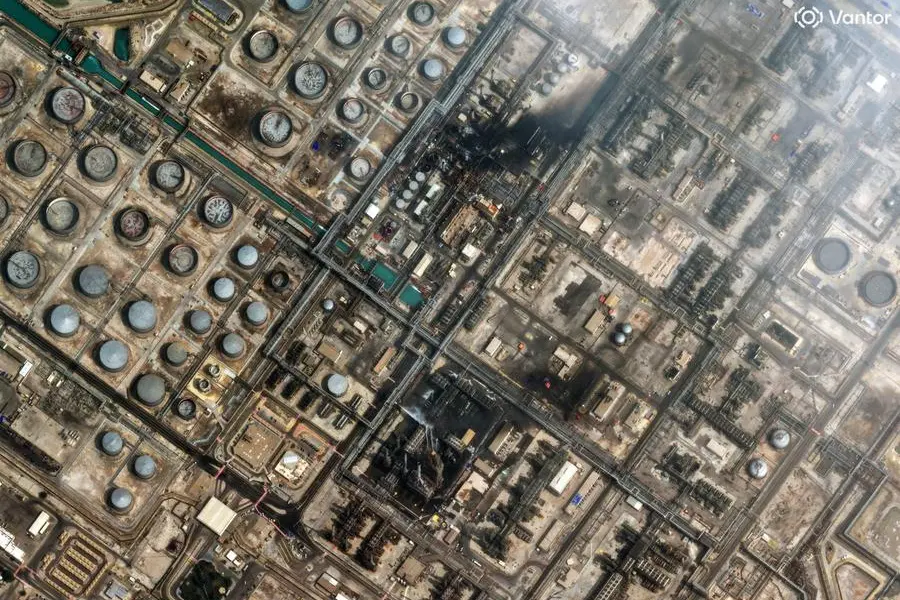
Saudi Aramco restarted Ras Tanura oil refinery on ...
19 Mar, 2026 10:25
Saudi Aramco-Exxon refinery SAMREF in Saudi Arabia...
19 Mar, 2026 11:09
Aramco lowers crude shipments to Asia for second s...
23 Mar, 2026 11:51
UAE's ADNOC Gas adjusts LNG output in response to ...
23 Mar, 2026 12:19
Uganda Cargo via Mombasa Climbs 25% to 10.91 Milli...
24 Mar, 2026 10:38
Iranian oil is offered to India at premium to Bren...
24 Mar, 2026 12:32