Logistic Other

Free economic zones and their impact on global trade efficiency


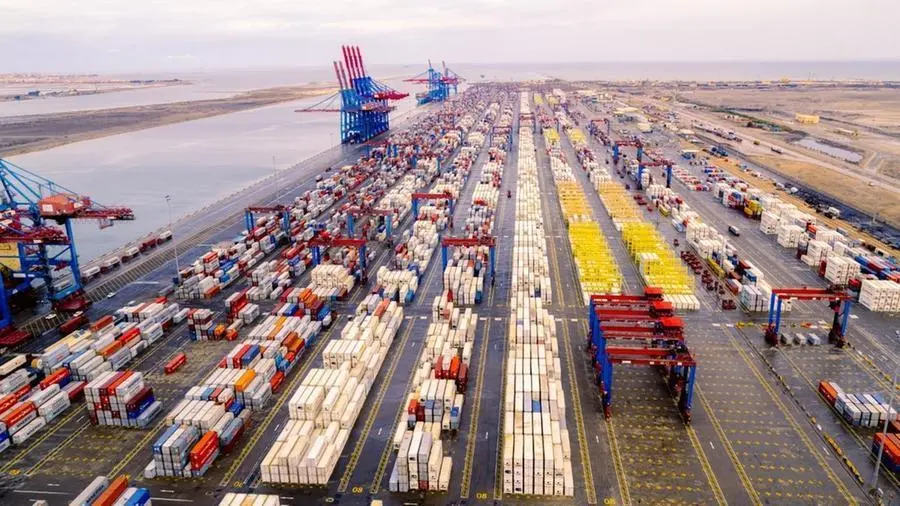
Free economic zones played an increasingly important role in global logistics and trade in 2025, as companies sought faster, more resilient supply chains. Once associated primarily with tax incentives, these zones have evolved into integrated logistics platforms that combine ports, airports, customs facilitation, and value-added services to support cross-border commerce, reflecting structural changes in global supply chains.
The global footprint of these zones has expanded significantly. According to the United Nations Conference on Trade and Development (UNCTAD), the number of special economic zones worldwide grew from approximately 3,500 in the mid-2000s to about 7,000 by the early 2020s, spanning more than 140 economies.
In the Middle East, free zone development is closely aligned with national trade strategies. The UAE hosts more than 40 multidisciplinary free zones, which offer 100% foreign ownership and direct connectivity to major transport networks. These zones form a core component of the country’s logistics ecosystem and are integral to its target of achieving AED 4 trillion in non-oil foreign trade by 2031.
As global trade growth moderates—with the World Trade Organization estimating a slowdown to around 0.5% in 2026—logistics-intensive activities like re-exports and regional distribution have gained importance. Free zones that offer bonded logistics, efficient customs, and multimodal connectivity are well-positioned to capture this activity, providing relative stability in a fragmented economic landscape.
Leading zones are increasingly competing on logistics performance and digital capability. Investments in digital customs systems and cargo visibility platforms are becoming key differentiators for time-sensitive supply chains. However, governance remains a critical focus, as policymakers balance trade facilitation with the need for compliance and risk management to prevent illicit trade.
Ultimately, free economic zones have transitioned from peripheral policy tools to foundational infrastructure for modern logistics systems. By combining pro-trade regulation with integrated, digital logistics capabilities, they shape how goods move and how economies integrate into global supply chains.
Related Articles
South African table grape industry and Transnova A...
22 Oct, 2025 08:25
Spiro Raises US$100 Million in Africa’s Largest-Ev...
22 Oct, 2025 09:33
NXN and SAEED unite within Sharjah’s logistics sec...
24 Oct, 2025 07:48
TAHA Unveils HortiMarket A Digital Platform Revolu...
24 Oct, 2025 08:21
Chinese technology takes center stage at Ghana's t...
27 Oct, 2025 09:17
Kenya Airways flies first African route, from Nair...
27 Oct, 2025 09:23
Madbouly inaugurates $85mln DP World's logistics p...
27 Oct, 2025 12:56
Airbus cargo outlook shows 3.3% annual growth and ...
28 Oct, 2025 08:21
Nominations now open for the Logistics Saudi Award...
28 Oct, 2025 08:27