Sea

Djibouti Refines Port Fee Narrative, Opens New Shipyard to Ethiopian Vessels Amid Deepening Bilateral Cooperation


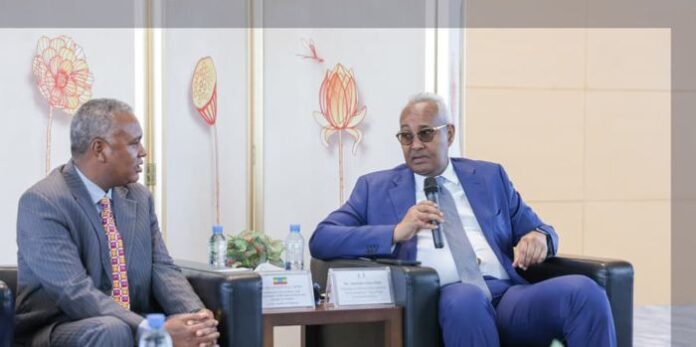
During a high-level meeting, Aboubaker Omar Hadi, Chairman of the Djibouti Ports and Free Zones Authority (DPFZA), and Ethiopia's Ambassador to Djibouti, Legesse Tulu, addressed key logistics and maritime issues central to Ethiopia's trade as a landlocked nation. Chairman Hadi specifically aimed to correct what he termed a widespread financial misconception, countering reports that Djibouti's ports generate $1.4 billion in annual revenue from handling over 95% of Ethiopia's trade.
Hadi clarified that total port revenue is approximately $400 million, encompassing all cargo types. The frequently cited $1.4 billion figure, he explained, largely represents inland transportation costs—about $1.2 billion—which are predominantly earned by Ethiopian trucking companies operating the Djibouti-Ethiopia corridor. He emphasized the transparency of DPFZA's finances, noting they are audited by major firms EY and KPMG.
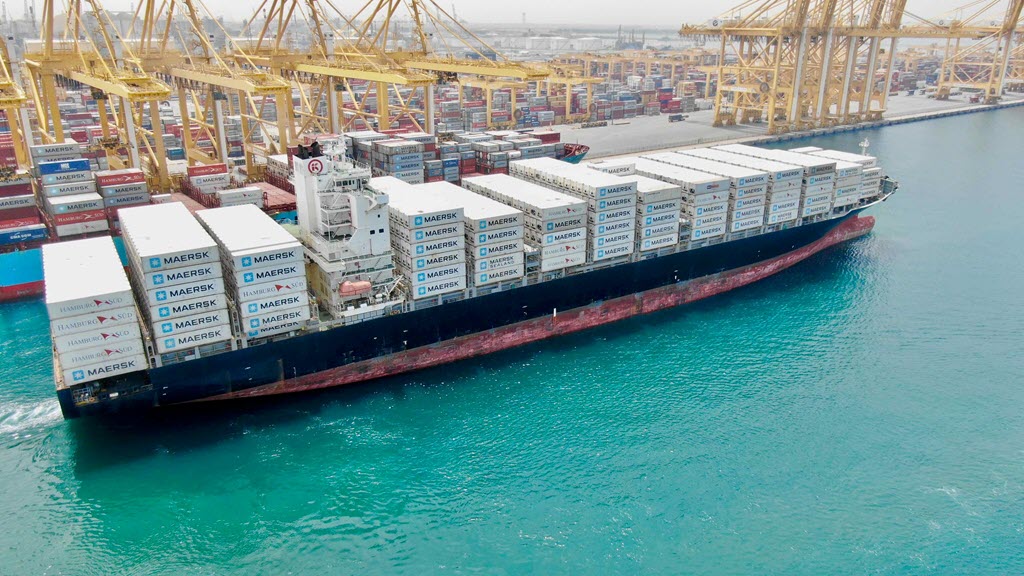
Looking ahead, the discussions focused on enhancing technical cooperation. Hadi encouraged Ethiopia to use Djibouti's modern Ship Repair Yard for its fleet, promoting it as a cost-effective regional alternative. Djibouti also agreed to assign marine officers to Ethiopian vessels upon request to improve maritime coordination. Additionally, the officials explored a joint sea-air cargo program to expedite goods through Ethiopian and RwandAir networks, as well as the development of the Djibouti–Ethiopia–South Sudan–Uganda (DESSU) trade corridor.
The meeting underscored a mutual commitment to improving port efficiency, optimizing trade routes, and strengthening the strategic partnership vital to Ethiopia's import-export system and the region's shared economic future.
Related Articles

Transport & Logistics in Action – Connecting the M...
22 Oct, 2025 08:40
Appeal made for cargo harmonization across the SSA...
22 Oct, 2025 08:46
4 deals signed between Turkiye, Kuwait...
22 Oct, 2025 13:31
Beit Logistics invests $10.50mln to develop Safaga...
23 Oct, 2025 12:18
Khalifa Port rises to 39th position in Lloyd’s Lis...
23 Oct, 2025 12:24
ASCELA awarded Africa Logistics Zone Development P...
23 Oct, 2025 12:49
FG begins procurement for port modernization proje...
23 Oct, 2025 12:56
NZF delay extends unlevel playing field for EU por...
27 Oct, 2025 09:30
DP World Launches $85 Million Logistics Hub in Egy...
27 Oct, 2025 10:48