Base Metals

Devastating toxic spill seen as test of whether African countries will stand up to China


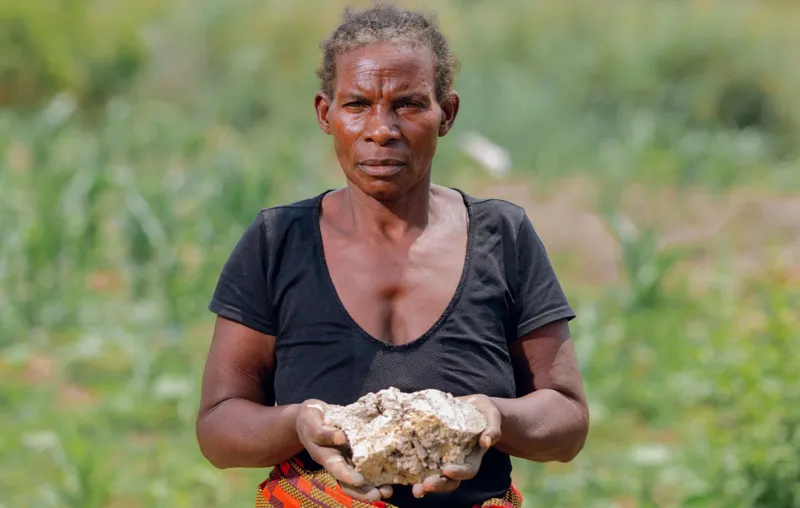
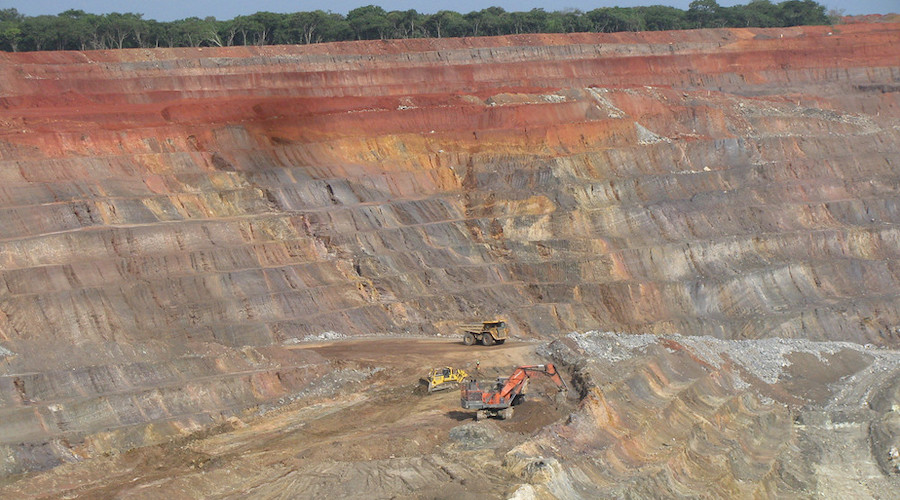
Even before the dam collapsed, a worker named Lamec did not feel safe at the Chinese-owned copper mine in northern Zambia. According to an interview with the BBC, he described a work environment where damaged protective gear was not consistently replaced, forcing employees to take risks. Speaking anonymously in a car on a quiet backroad due to fears for his job, he recounted arriving for his shift in February to find that one of the mine's tailings dams, used to store toxic by-products like arsenic and mercury, had been closed after a collapse.
The breach sent an estimated 50,000 tonnes of acidic debris—with some environmentalists claiming the figure could be as high as 1.5 million tonnes—into a tributary of Zambia's longest river, the Kafue. The spill has reportedly killed fish, made water undrinkable, and destroyed crops in nearby towns. Health and environmental experts warn that heavy metals from the mud could cause long-term kidney damage, cancers, and gastric issues, potentially spreading downstream to the capital, Lusaka, especially with the onset of the rainy season.
The Chinese embassy in Lusaka has disputed the scale of the damage, stating that the Zambian government reported the pollution was contained, water acidity had normalized, and there were no lasting public health risks. It welcomed an independent investigation. The mine, owned by Sino-Metals Leach Zambia, a subsidiary of a Chinese state-owned firm, is a significant employer in the region.
The incident has led 176 farmers to file an $80 billion lawsuit against the mining companies, alleging the spill has affected 300,000 households. This lawsuit is seen by analysts as a pivotal test case for holding Chinese firms accountable in Africa. While the Chinese embassy states that Sino Metals has cooperated with investigations, compensated households, and retained all staff, critics point to Zambia's substantial debt to China as a potential complicating factor in enforcing regulations. The Zambian government's Permanent Secretary for Green Economy and Environment, however, has insisted that the debt does not hinder their handling of the crisis.
In affected villages, farmers report struggling to grow food since the spill, with some linking new health issues to contaminated water. While Sino Metals has reportedly promised mitigation efforts like building safer boreholes, locals say these have not materialized. The Zambian government states that recent water samples show heavy metal levels within safe limits and that the company is implementing remediation measures, such as spreading lime and planting trees. The full environmental and legal consequences of the dam collapse remain unresolved as cleanup efforts continue.
Related Articles

Sanu Gold Announces $5 Million Private Placement L...
06 Sep, 2024 13:08
Ivanhoe Mines produces 40,347 tonnes of copper at ...
09 Sep, 2024 09:21
Andrada partners with SQM to develop Namibia lithi...
10 Sep, 2024 08:56
US, Saudi Arabia in talks to secure metals in Afri...
10 Sep, 2024 09:07
DRC: Eurasian Secures $150 Million to Develop a Co...
12 Sep, 2024 06:22
Zambian mines desperate for power turn to a surpri...
13 Sep, 2024 11:18
Africa at the cusp of a critical minerals boom...
17 Sep, 2024 07:40
Coolabah to unite Broken Hill assets, paving path ...
17 Sep, 2024 08:40
Marula Mining completes first manganese exports sa...
18 Sep, 2024 09:05