Energy Markets

Coupling solar power with electrical driving Shifting gear in clean transport


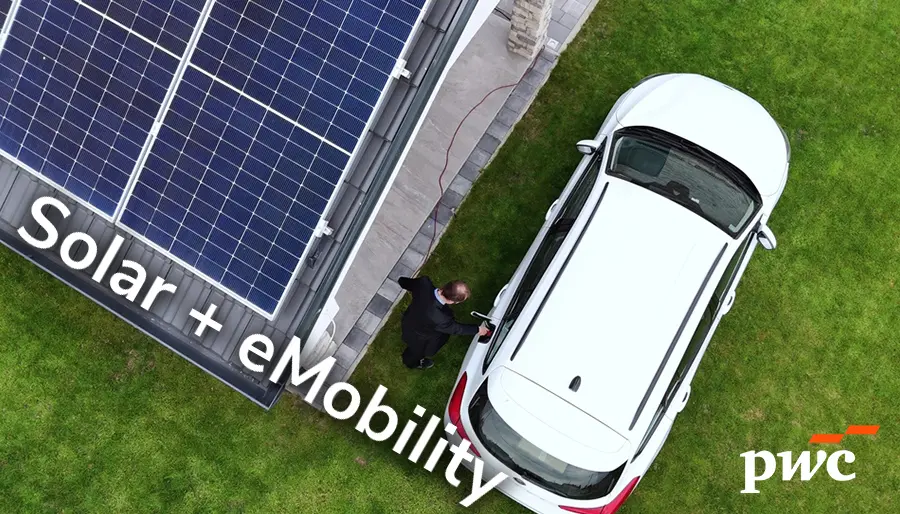
The global shift toward cleaner energy and transport is accelerating, but its ultimate success depends on a synergistic approach rather than isolated technological upgrades. This is particularly relevant for the sun-rich Gulf Cooperation Council (GCC) nations, where solar energy holds immense potential alongside a rapidly growing electric vehicle (EV) market. The broad electrification of transportation represents a monumental shift, with global EV sales projected to exceed twenty million units in 2025.
A critical challenge emerges from this rapid adoption: the environmental benefit of EVs is drastically reduced if the electricity used to charge them is generated from fossil fuels. The next essential leap in sustainability, therefore, involves purposefully integrating electric mobility with solar energy to create a genuinely clean transportation ecosystem. This addresses a current inefficiency where EVs often charge in the evening when solar power is unavailable, straining the conventional grid.
An integrated solar-EV strategy leverages the fact that vehicles are parked for approximately 95% of the day. With intelligent planning, this idle time can be aligned with peak daylight hours, allowing EVs to be charged directly by solar power. This maximizes the use of renewable energy, reduces grid stress, and ensures that the transportation sector's move to electricity delivers on its full environmental promise.
This approach is gaining significant traction in GCC nations like Saudi Arabia and the UAE, which have aggressive clean energy goals. Saudi Arabia has committed to generating half of its electricity from renewables by 2030, planning nearly 59 gigawatts of solar capacity. Similarly, the UAE is investing in a multi-billion dollar project to add gigawatts of solar power coupled with massive battery storage.
The technological framework for this integration is maturing through smart charging systems. These digital platforms can automatically schedule charging sessions to coincide with peak solar output, which is especially effective at homes and offices. A more advanced concept, Vehicle-to-Grid (V2G) technology, enables bi-directional charging, transforming EVs into mobile energy assets that can send power back to the grid during high demand.
Despite the clear benefits, the path to full integration faces significant barriers. Existing power grids and charging infrastructure were not designed for the dynamic needs of combined solar-EV systems. Furthermore, the high initial investment required for these advanced hybrid systems remains a substantial obstacle for widespread consumer and commercial adoption.
Overcoming these challenges requires a concerted effort to ensure that government policy, infrastructure development, and consumer incentives are all strategically aligned. GCC leaders are tasked with fostering an ecosystem where policy, infrastructure, and consumer behavior collectively support a future where electric mobility is powered predominantly by the sun.
Ultimately, coupling solar power with e-mobility is about more than cutting emissions; it is about building a new energy economy. This synergy can act as a powerful catalyst for investment, job creation, and innovation across the entire energy value chain, while simultaneously strengthening the resilience of the national power grid for decades to come.
Related Articles
Renewable Energy Storage Market 2025 Forecast - La...
21 Oct, 2025 07:12
Solar power mistake in South Africa costs homeowne...
21 Oct, 2025 07:54
An Investor’s Guide to Africa...
21 Oct, 2025 09:47
Doha Strike Shakes Global Energy Assumptions...
22 Oct, 2025 13:01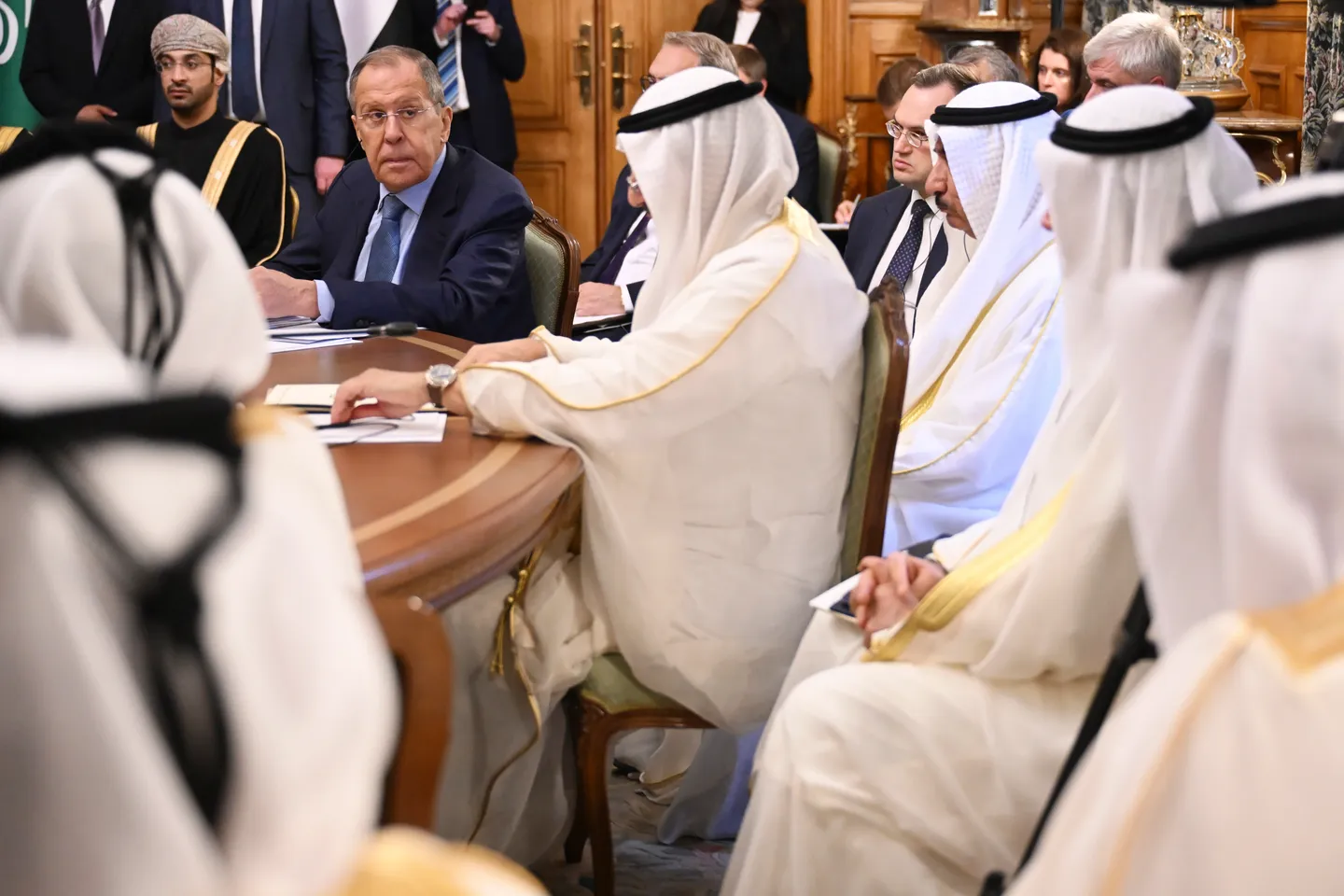
GCC and Russia Deepening ties in a multipolar Midd...
23 Oct, 2025 11:59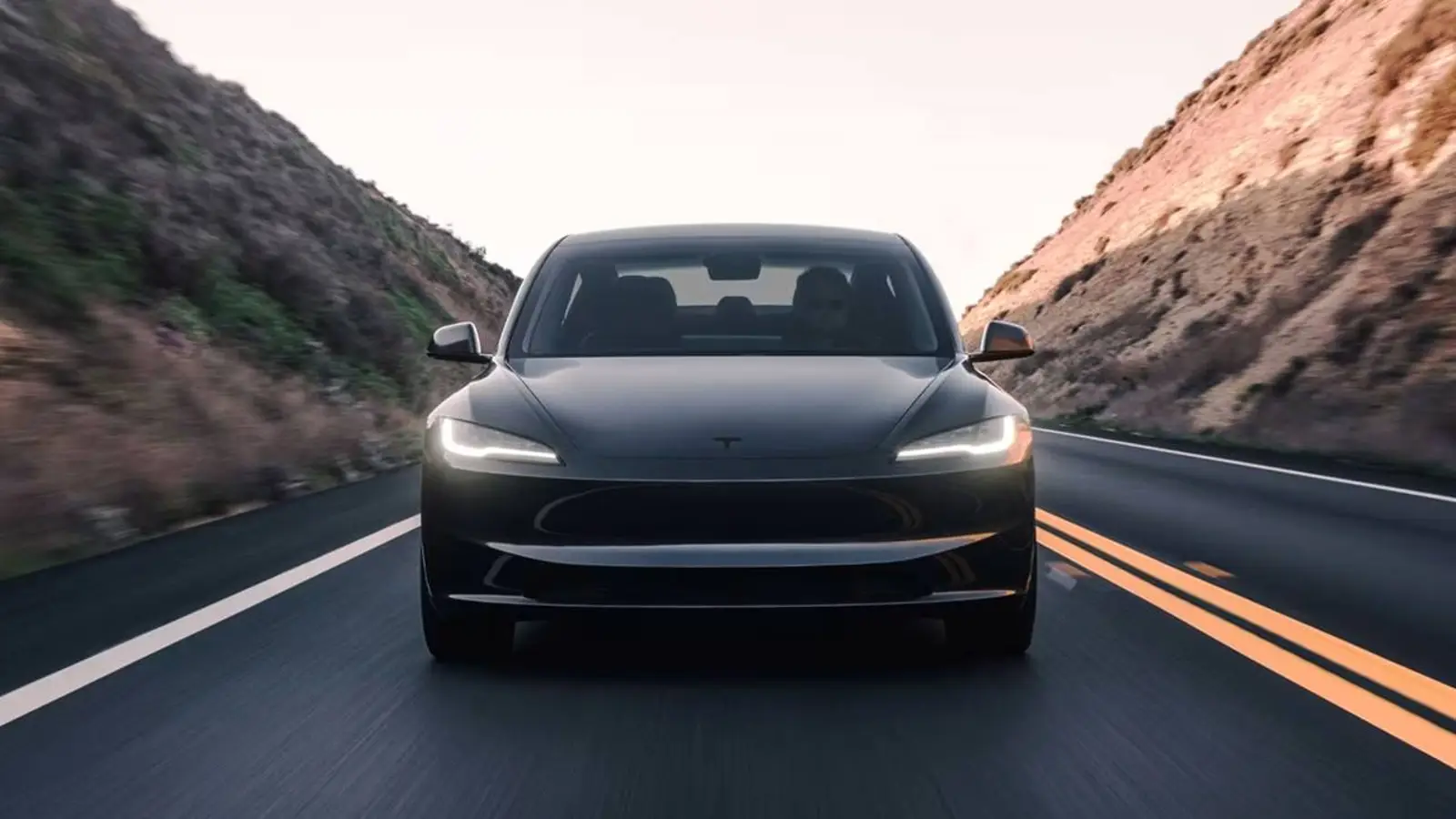
Tesla prepares first steps into Africa with Morocc...
23 Oct, 2025 13:29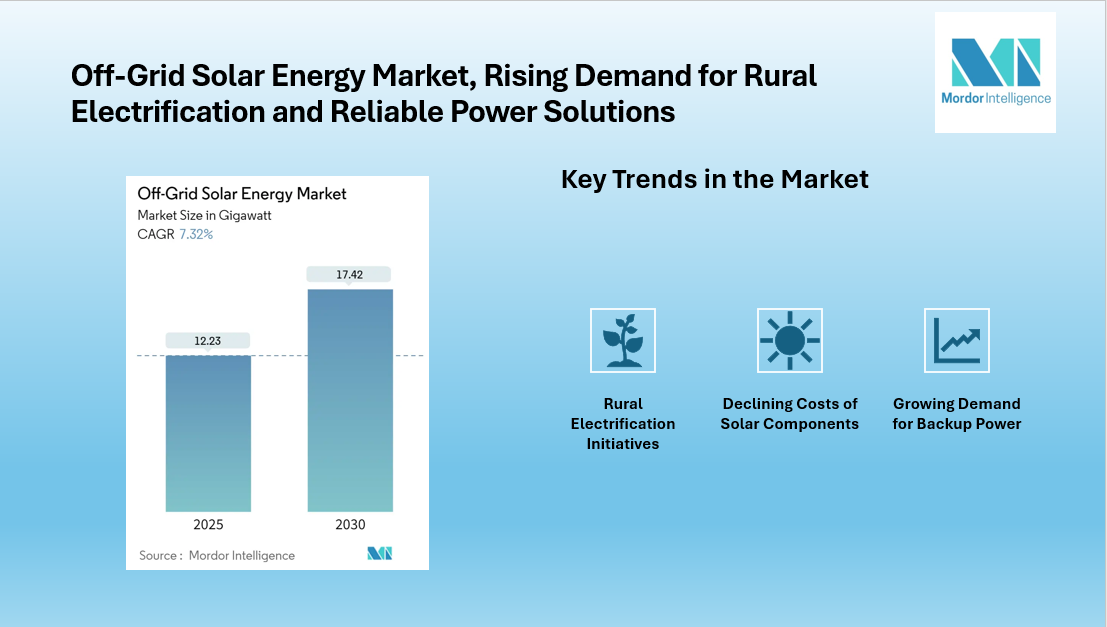
Off-Grid Solar Energy Market to grow at 17.42 GW b...
23 Oct, 2025 13:39
Petroleum Institute Urges Early Take Off of Africa...
23 Oct, 2025 13:45
Algeria inks $5.4 billion energy pact with Saudi M...
23 Oct, 2025 14:03