Precious Metals

Burkina Faso, Ghana begin to reap reform output in the artisanal gold sector



Burkina Faso recorded national gold production of more than 94 tons in 2025, over 30 tons higher than the volumes declared in 2024. The figure was reported on February 2 by Mines Minister Yacouba Zabré Gouba, who said artisanal mining accounted for 42 tons of the total. The strong performance has again put artisanal gold in the spotlight in West Africa, following record export data recently published by Ghana.
Early gains from recent reforms
With its 2025 performance, Burkina Faso’s artisanal gold sector posted a sharp increase after delivering only 8.1 tons in 2024. The jump has allowed the segment to carry more weight in national output, long dominated by industrial mines. The timing is also significant for Burkina Faso, which is emerging from three consecutive years of declining gold production amid persistent tensions in the industrial segment.
The progress reflects reforms introduced in recent years to better structure artisanal mining. A key measure was the creation of the National Company for Precious Substances (SONASP), tasked with purchasing artisanal and semi-mechanized production to improve state oversight of flows that have long escaped official control.
A similar approach has been adopted in Ghana, with some differences. Since May 1, 2025, the GoldBod has operated as the sole regulator and accredited buyer of gold produced by small-scale miners, while also handling re-exports. Under this framework, the agency set a target of purchasing at least 3 tons of artisanal gold per week, exporting about 100 tons over the year and generating around $10 billion in revenue.
The outcome allowed artisanal mining to account for nearly half of Ghana’s gold export revenues in 2025, estimated at $20.9 billion. This is a notable share for a segment whose output reached only 1.9 million ounces in 2024, about 59 tons, representing 39% of national production compared with 61% from industrial mines. Production data for 2025 have not yet been released.
The challenge of sustaining momentum
Through their respective reforms, Ghana and Burkina Faso have highlighted the largely untapped potential of artisanal gold and improved their ability to benefit from last year’s prolonged rise in gold prices. In Ghana, this translated into an almost year-on-year doubling of gold revenues, while Burkina Faso has announced a positive impact on the national economy.
“These results have helped strengthen the mining sector’s share of gross domestic product, with a positive effect on national value added and economic growth,” Gouba said, without providing detailed figures. As in Ghana, gold remains Burkina Faso’s leading export commodity.
Despite the gains, the main challenge for both countries is to sustain the reforms over time. In Ghana, GoldBod last week announced plans to pilot a new traceability program covering 600 artisanal mines. With gold prices still elevated in 2026, trading just below $5,000 an ounce on Thursday, February 5, attention will focus on how Ghana and Burkina Faso advance their efforts to formalize artisanal gold.
Other producing countries, including Mali and Côte d’Ivoire, are also reported to have significant artisanal gold output, according to several consistent sources, including NGO SWISSAID.
Related Articles

Investigation uncovers fraudulent identity documen...
10 Sep, 2024 08:08
The Top Five Gold-Producing Countries in Africa in...
10 Sep, 2024 08:46
AngloGold notes ‘enormous geological potential’ in...
10 Sep, 2024 09:29
Awalé Resources expands BBM gold zone at Odienné p...
10 Sep, 2024 11:38
Proposed amendment: Gold mines to be subject to th...
10 Sep, 2024 12:39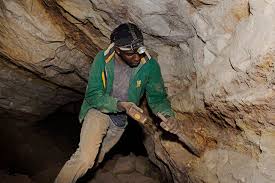
Pan African Resources Annual Result Improves; Expe...
12 Sep, 2024 07:42
African countries are joining the sovereign gold-b...
12 Sep, 2024 08:07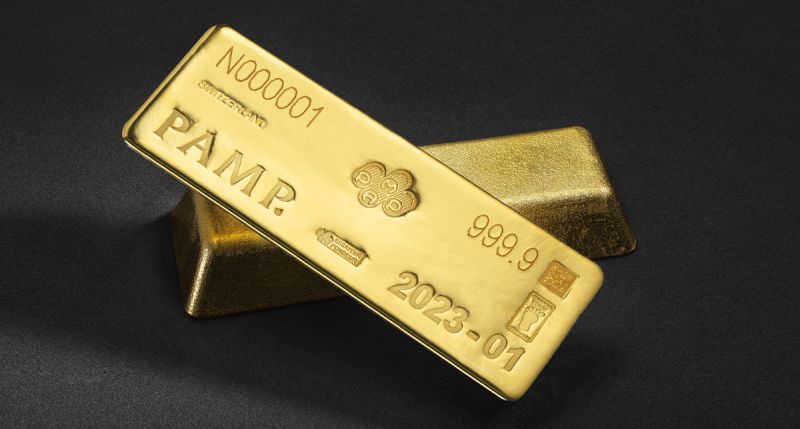
Platinum Group Metals Ltd. Announces Positive Inde...
16 Sep, 2024 09:11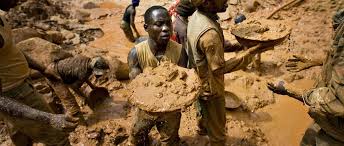
At least 20 likely dead in violence near Papua New...
16 Sep, 2024 10:37