Generation

Africa's solar power revolution is finally happening


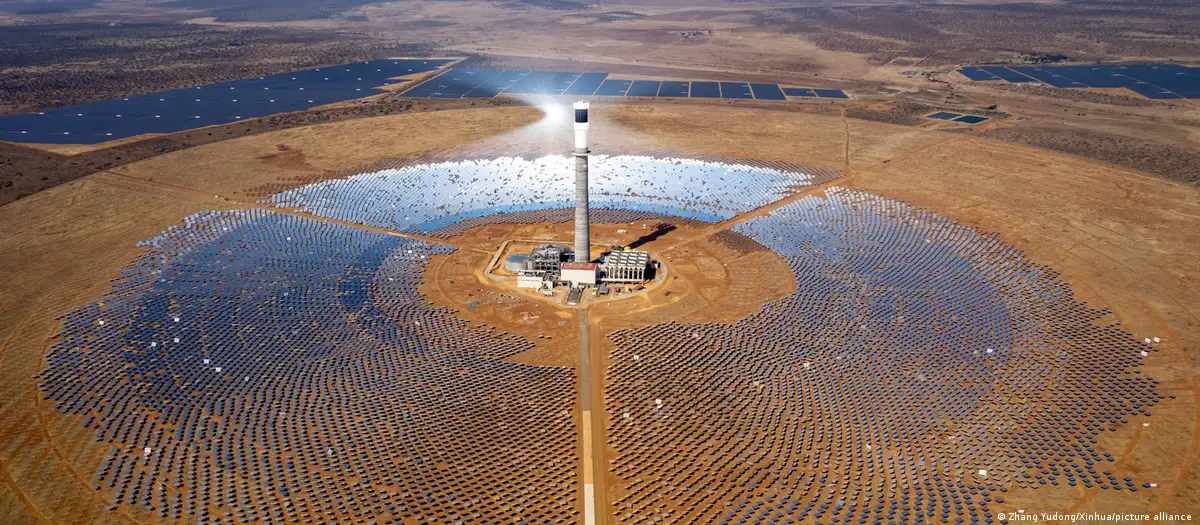
Solar power is increasingly seen as an ideal energy solution for Africa, thanks to abundant sunlight and the technology's rapidly declining cost. According to the International Renewable Energy Agency (IRENA), solar is now one of the cheapest energy sources globally. Despite this potential, Africa has historically been a minor player, accounting for just 1% of global solar capacity, largely due to infrastructure and investment gaps.
This situation is now changing dramatically. Data from the think tank Ember reveals a massive surge in Chinese solar panel exports to Africa, with 15 gigawatts (GW) of capacity shipped in a single year. John van Zuylen, CEO of the Africa Solar Industry Association (AFSIA), notes that this 12-month volume represents a significant portion of the continent's total installed capacity over the past 25 years, indicating unprecedented momentum.
The boom is driven by multiple factors, including a price drop partly attributed to the US-China trade war, which left Chinese manufacturers with surplus stock to offload. This has made solar equipment exceptionally affordable for African markets. Countries like Nigeria, Zambia, and Rwanda are gaining traction, with Nigeria poised to become the continent's top solar market as it moves away from expensive diesel power.
Key technological and regulatory advancements are further accelerating adoption. The affordability of lithium batteries enables energy storage for use during peak evening hours. Furthermore, the implementation of net metering—allowing households to sell surplus power back to the grid—dramatically improves project economics, enabling consumers to cover up to 100% of their electricity needs.
However, challenges remain. High import taxes and bureaucratic red tape in some countries, such as Zimbabwe, increase costs for consumers. In contrast, nations like Zambia, which have waived import duties on solar products, are seeing faster uptake. These fiscal policies are critical, as local manufacturing is not yet established to justify protective tariffs.
Despite these hurdles, the economic case for solar is becoming undeniable. With project costs falling to as low as $0.07 per kWh in places like Mauritius, solar power is transitioning from a niche alternative to a mainstream, no-brainer investment for meeting Africa's vast energy needs.
Related Articles
Parliament Committee says no need to review three ...
10 Sep, 2024 07:57
Zimbabwe’s Biggest Miners Seek $182 Million for So...
12 Sep, 2024 06:57
GreenGo Energy Expands into Namibia with Strategic...
12 Sep, 2024 07:51
OPEC Fund approves $1.2 billion for development pr...
13 Sep, 2024 08:59
Floating solar starts to gather pace in Africa, as...
13 Sep, 2024 13:18
Prominent South African energy company files for l...
16 Sep, 2024 11:00
Libyan Export Decline and Fed Speculation Propel O...
17 Sep, 2024 08:00
South Sudan says it is ready to restart pumping oi...
17 Sep, 2024 13:23
Interest grows in Africa’s oil and gas hotspot...
18 Sep, 2024 10:42