Generation

Africa’s Energy Transition - Cutting Emissions Without Slowing Growth


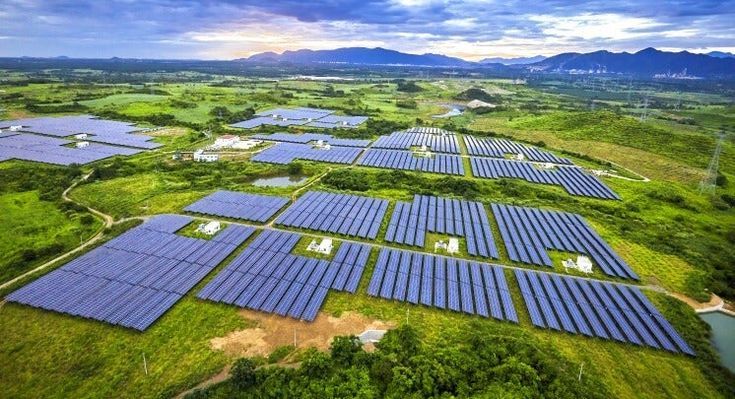
Africa is charting a pragmatic energy transition path, integrating a mix of technologies and investment strategies to balance decarbonization with rising energy demand and development needs. Rather than relying on a single solution, the continent is advancing a multi-pronged approach that includes green hydrogen, renewables, natural gas, electrification, and carbon capture—supported by strategic financing.
Green Hydrogen Momentum
Green hydrogen is emerging as a key tool for reducing emissions in hard-to-abate sectors. In South Africa, Sasol’s HySHiFT project aims to integrate green hydrogen into its Fischer-Tropsch facilities for sustainable aviation fuel production. Meanwhile, Algeria is positioning itself as a hydrogen exporter through the planned SoutH2 Corridor to Europe, and Angola has announced its first green hydrogen project, targeting 400,000 tons of annual production from 2027.
Renewables and Gas Integration
Renewables are increasingly deployed at the asset level to cut reliance on diesel and reduce flaring. In Uganda, the Tilenga oil field uses associated gas to generate on-site electricity, minimizing emissions. Natural gas continues to play a crucial transitional role, particularly in Nigeria, where dedicated upstream gas projects support industrial plants like the Dangote Fertilizer facility under the country’s “Decade of Gas” strategy. Nigeria has also launched a gas flare commercialization program expected to cut 6 million tons of emissions annually while creating jobs.
Technology and Electrification
Innovations such as carbon capture, utilization, and storage (CCUS) are gaining traction, with projects like Eni’s CCUS facility at Libya’s Mellitah Complex set for completion in 2027. Offshore, new floating production units like Angola’s Agogo FPSO are designed with fully electric topside systems to lower emissions.
Financing the Shift
Scaling these technologies requires substantial investment. Multilateral programs, such as the Climate Investment Funds’ $1 billion industrial decarbonization initiative, are supporting countries including Egypt, Namibia, and South Africa. In Egypt, the European Bank for Reconstruction and Development is funding a hydrogen injection system for Arabian Cement Company, projected to cut 120,000 tons of emissions per year.
This balanced, finance-aware approach illustrates Africa’s commitment to a just and feasible energy transition—one that reduces carbon intensity without compromising economic growth or energy access.
Related Articles
Parliament Committee says no need to review three ...
10 Sep, 2024 07:57
Zimbabwe’s Biggest Miners Seek $182 Million for So...
12 Sep, 2024 06:57
GreenGo Energy Expands into Namibia with Strategic...
12 Sep, 2024 07:51
OPEC Fund approves $1.2 billion for development pr...
13 Sep, 2024 08:59
Floating solar starts to gather pace in Africa, as...
13 Sep, 2024 13:18
Prominent South African energy company files for l...
16 Sep, 2024 11:00
Libyan Export Decline and Fed Speculation Propel O...
17 Sep, 2024 08:00
South Sudan says it is ready to restart pumping oi...
17 Sep, 2024 13:23
Interest grows in Africa’s oil and gas hotspot...
18 Sep, 2024 10:42