Sea

Africa’s Container Shipping Opportunities and Obstacles


As trade volumes rise and infrastructure expands, demand for container shipping is rising. However, the continent’s maritime logistics sector suffers from capacity limits, congestion and geopolitical disruption.
Growing Demand Meets Persistent Constraints
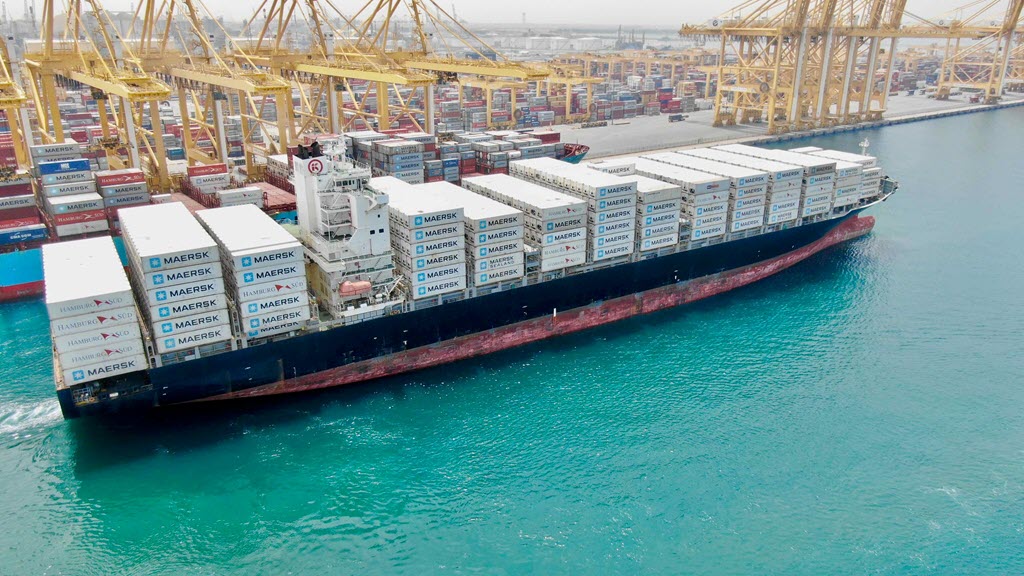
Africa’s container shipping industry is at an inflection point shaped by rising trade volumes and ambitious infrastructure investments. According to UNCTAD data, port calls by container ships in Africa increased by about 20% from the first half of 2018 to the first half of 2023. At the same time, container throughput measured by units handled grew nearly 50% between 2011 and 2021, showing sustained demand for maritime logistics capacity.
However, this growth comes with major challenges. Many African ports operate beyond their designed capacity, leading to chronic congestion and delays that undermine efficiency. Large cargo ships in particular test the limits of existing facilities, and only a handful of ports are equipped to handle them effectively.
Infrastructure – The Foundation for Opportunity
Infrastructure investment is emerging as a key differentiator across the continent. Global logistics players are making significant commitments to port and terminal upgrades. Mohammed Akoojee, CEO and Managing Director for sub-Saharan Africa at DP World, highlighted plans to invest US$3 billion over the next three to five years in new port and logistics infrastructure across Africa, a strategic bet on long-term export growth and rising demand, particularly for mineral exports.
Terminal operators also bring expertise and capital that can unlock productivity gains. Igor van den Essen of APM Terminals noted that the company’s investments, including terminal upgrades at West Africa Container Terminal (WACT) in Nigeria and expanded facilities in Morocco, are designed to boost capacity and lift safety standards. “In Nigeria, we have recently invested $115 Million in upgrading the West Africa Container Terminal ( WACT) terminal in Onne almost doubling the yard space, lifting safety standards, adding state-of-the-art equipment acquisition, and a modern office complex. In Morocco, Tangier went live with the latest phase of its extension in December 2023. According to the latest analysis from the World Bank, Tangier is one of the world’s top 10 performing ports,” said van den Essen.
For shipping lines, investment in flexible operations and customer support is equally important. Rogelio Busto Duarte of Hapag-Lloyd acknowledged that “all regions and continents have their unique challenges related to infrastructure limitations and geopolitical risks,” stressing that his company adjusts rotations and services to mitigate congestion and delay impacts while supporting Africa’s participation in global markets.
Geopolitical Disruptions and Operational Complexity
Beyond infrastructure, geopolitical volatility, particularly in maritime chokepoints, has reshaped container shipping dynamics. Disruptions such as the Red Sea crisis have forced many vessels to reroute around the Cape of Good Hope, lengthening journeys and increasing costs. This unintended shift has contributed to congestion in some Southern African ports even as strategically positioned ports in Madagascar, Mauritius, Namibia and Tanzania see rising demand.
Africa’s reliance on critical passages like the Suez Canal, accounting for roughly a third of trade volume for some East African countries, also exposes regional supply chains to external shocks that ripple through port operations and inland transport networks.
Capacity, Congestion and the Road Ahead
While investment and capacity expansion offer clear opportunities, many African ports still struggle with outdated infrastructure and limited expansion pace. For example, major facilities like the Lagos Port Complex and the Port of Mombasa face ongoing congestion challenges tied to outdated layouts and insufficient handling capacity, conditions highlighted by a report from Sinay.
To unlock the full potential of Africa’s container shipping sector, stakeholders must address infrastructure bottlenecks, harmonize regulatory frameworks and modernize operational processes. Progress on these fronts, aligned with broader trade facilitation efforts such as the AfCFTA, could help transform the continent into a more robust maritime logistics hub that better serves both global trade routes and rapidly expanding intra-African commerce.
Related Articles
Transport & Logistics in Action – Connecting the M...
22 Oct, 2025 08:40
Appeal made for cargo harmonization across the SSA...
22 Oct, 2025 08:46
4 deals signed between Turkiye, Kuwait...
22 Oct, 2025 13:31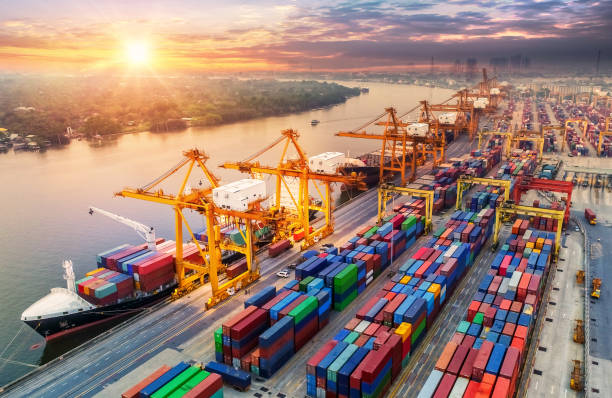
Beit Logistics invests $10.50mln to develop Safaga...
23 Oct, 2025 12:18
Khalifa Port rises to 39th position in Lloyd’s Lis...
23 Oct, 2025 12:24
ASCELA awarded Africa Logistics Zone Development P...
23 Oct, 2025 12:49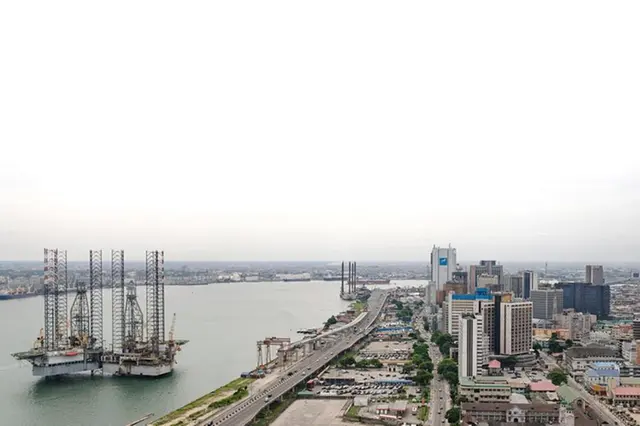
FG begins procurement for port modernization proje...
23 Oct, 2025 12:56
NZF delay extends unlevel playing field for EU por...
27 Oct, 2025 09:30
DP World Launches $85 Million Logistics Hub in Egy...
27 Oct, 2025 10:48