Sea

African Union, Somaliland, and Frozen Borders: A Continent Wrestling with Its Own History


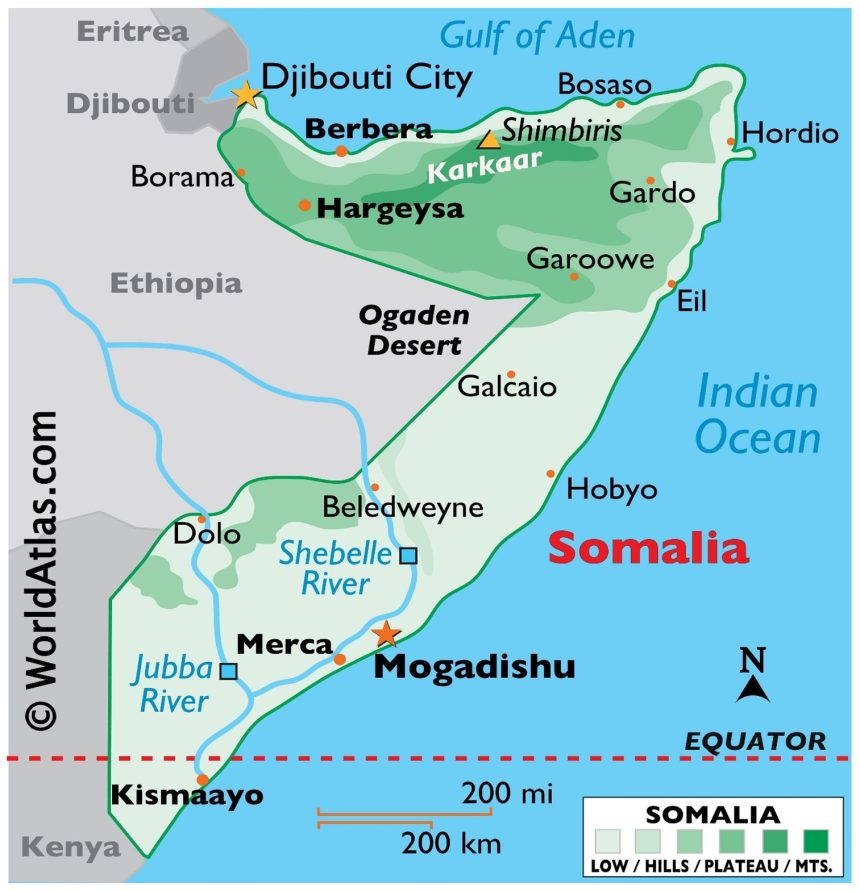
The African Union’s (AU) recent reiteration of its refusal to recognize Somaliland’s independence has sparked renewed debate over the continent’s adherence to the principle of inviolable colonial borders. While officially framed as a cornerstone of African stability, this stance is increasingly viewed by observers as intellectually rigid and out of step with historical and political realities on the ground.
The AU's position rests heavily on the 1964 Cairo Resolution, which sought to prevent border disputes among newly independent states. However, critics note that the AU’s own Constitutive Act does not explicitly enshrine the permanence of borders, and the continent’s history includes notable exceptions such as Eritrea’s independence in the 1990s and South Sudan’s secession in 2011. These precedents underscore that African political boundaries have, in practice, been subject to change in response to protracted conflicts and popular will.
Somaliland—which has maintained de facto independence, functional institutions, and relative stability for over three decades—presents a complex case that challenges the AU’s blanket rejection. Many analysts and regional practitioners argue that dismissing Somaliland’s quest for recognition without meaningful engagement ignores both its internal achievements and the nuanced lessons of Africa’s own political evolution.
The AU’s repetitive and categorical stance risks portraying the institution as stagnant and reactive rather than proactive and adaptive. This approach may widen the gap between continental diplomacy and the lived experiences of communities in regions like Somaliland, ultimately undermining the AU’s credibility and long-term relevance in shaping Africa’s governance and peace architecture.
Related Articles
Transport & Logistics in Action – Connecting the M...
22 Oct, 2025 08:40
Appeal made for cargo harmonization across the SSA...
22 Oct, 2025 08:46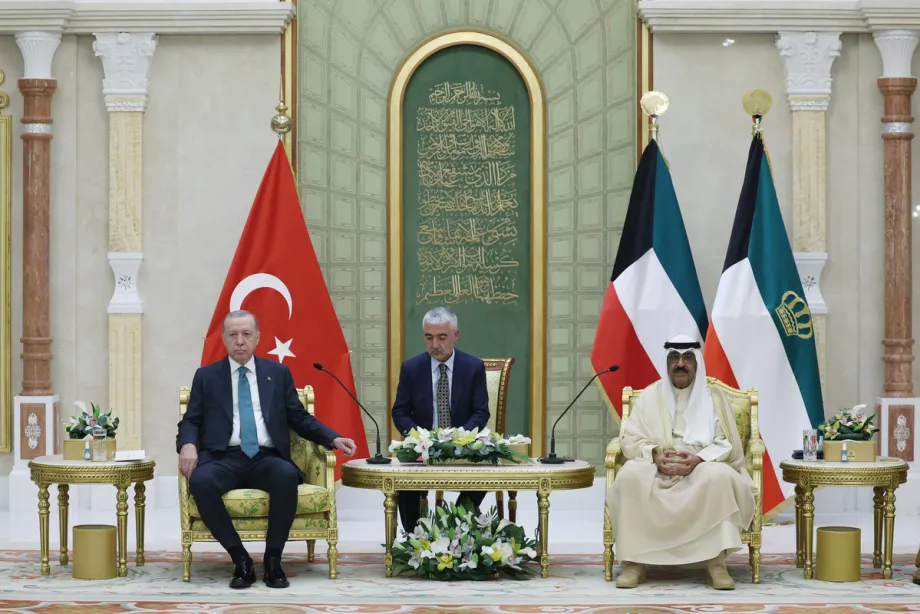
4 deals signed between Turkiye, Kuwait...
22 Oct, 2025 13:31
Beit Logistics invests $10.50mln to develop Safaga...
23 Oct, 2025 12:18
Khalifa Port rises to 39th position in Lloyd’s Lis...
23 Oct, 2025 12:24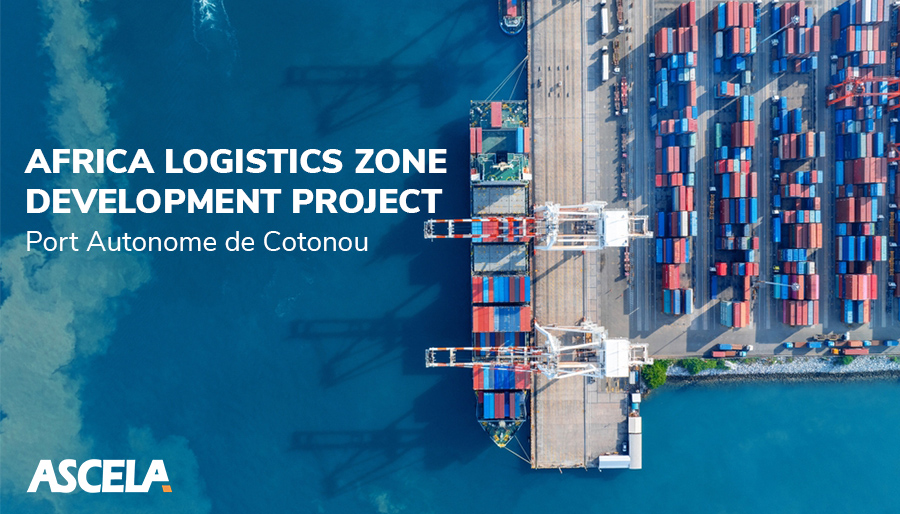
ASCELA awarded Africa Logistics Zone Development P...
23 Oct, 2025 12:49
FG begins procurement for port modernization proje...
23 Oct, 2025 12:56
NZF delay extends unlevel playing field for EU por...
27 Oct, 2025 09:30
DP World Launches $85 Million Logistics Hub in Egy...
27 Oct, 2025 10:48