Generation

African Development Fund approves grant to revitalize Malawi's critical hydropower infrastructure


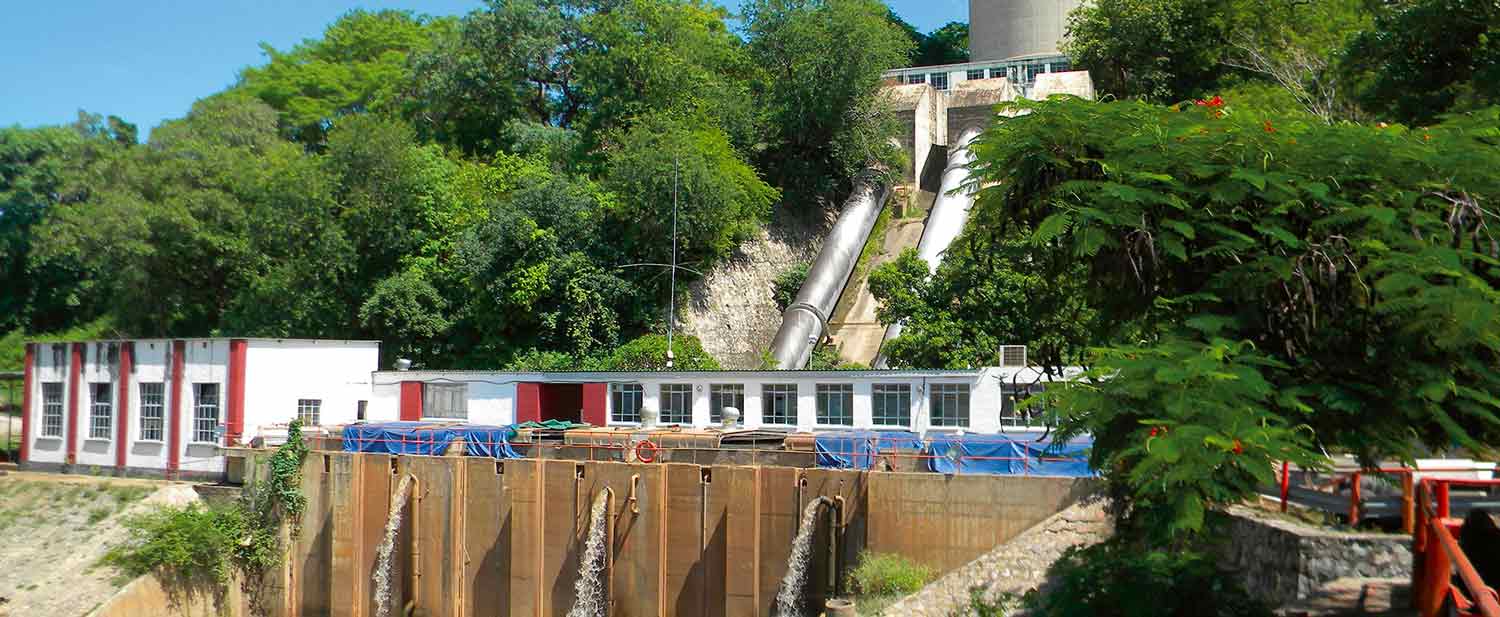
A transformative investment in Malawi’s energy future has been approved, as the African Development Fund’s (ADF) Board of Directors sanctioned a US$22.9 million grant. This funding forms part of a broader US$118.7 million initiative to rehabilitate two critical hydropower plants: Kapichira I (64 MW) in Chikwawa District and Nkula B (100 MW), the nation’s oldest major hydropower station, commissioned in 1966. Together, these facilities currently supply approximately half of Malawi's electricity, despite operating significantly below capacity due to ageing infrastructure and damage from recent cyclones.
According to Macmillan Anyanwu, the African Development Bank’s country manager for Malawi, the project represents a cornerstone investment in the nation's economic transformation. He emphasized that restoring the hydropower plants to optimal performance would unlock economic potential, create jobs, and bring reliable electricity to communities long affected by chronic power shortages. The rehabilitation is projected to increase annual energy generation by 55%, from 916 GWh to 1426 GWh, while extending the operational life of the facilities from 22 to 47 years. Plant performance is expected to improve from 80% to 95%, virtually eliminating the forced outages that have historically disrupted the national grid.
The intervention addresses acute energy poverty in Malawi, where only 25.9% of the population has access to electricity—one of the lowest rates in Africa. The situation was exacerbated in 2022 when Tropical Storm Ana severely damaged the Kapichira plant, which alone accounts for 30% of the country's generating capacity. By enhancing grid reliability, the project directly supports Malawi's Vision 2063 and its commitments under the Malawi Energy Compact, signed in January 2025 as part of the Mission 300 initiative to expand electricity access across Africa.
Beyond increasing generation, reliable power is anticipated to enable the expansion of key sectors such as agriculture, mining, and manufacturing. It will reduce business costs associated with diesel generators and power outages, improve healthcare delivery and educational outcomes, and support urbanisation goals. Furthermore, the rehabilitation strengthens Malawi’s climate resilience and positions the country for deeper regional integration through the Southern Africa Power Pool.
The Government-owned Electricity Generation Company will serve as the executing agency, with implementation scheduled from March 2026 to December 2030. Once completed, the upgraded infrastructure will allow Malawi to capitalise on forthcoming regional opportunities. These include connection to the Southern Africa Power Pool via the Mozambique-Malawi interconnector, potential integration with the East Africa Power Pool through a proposed Malawi-Tanzania interconnector, synergies with planned transmission backbone upgrades, and an enhanced capacity to absorb additional generation from the upcoming 358 MW Mpatamanga hydropower plant.
Related Articles

Parliament Committee says no need to review three ...
10 Sep, 2024 07:57
Zimbabwe’s Biggest Miners Seek $182 Million for So...
12 Sep, 2024 06:57
GreenGo Energy Expands into Namibia with Strategic...
12 Sep, 2024 07:51
OPEC Fund approves $1.2 billion for development pr...
13 Sep, 2024 08:59
Floating solar starts to gather pace in Africa, as...
13 Sep, 2024 13:18
Prominent South African energy company files for l...
16 Sep, 2024 11:00
Libyan Export Decline and Fed Speculation Propel O...
17 Sep, 2024 08:00
South Sudan says it is ready to restart pumping oi...
17 Sep, 2024 13:23
Interest grows in Africa’s oil and gas hotspot...
18 Sep, 2024 10:42