Métaux de base

Zambia aligns 10GW energy expansion with copper growth target of 3 mtpa by 2031


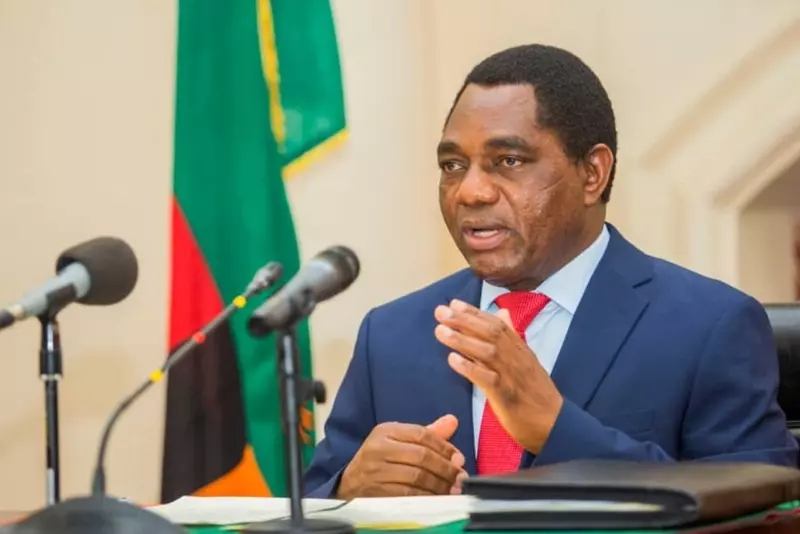
At the 13th Zambia International Mining and Energy Conference held in Kitwe on 26 March 2026, President Hakainde Hichilema reaffirmed the government’s ambition to increase annual copper production to 3 mtpa by 2031, positioning energy development as central to achieving this goal.
The president stressed that mining expansion is closely linked to electricity supply, noting that significant increases in generation and transmission capacity will be required to support production growth. Minister of Mines and Mineral Development Paul Kabuswe added that mining companies are increasingly investing in their own commercial and industrial power plants, with the potential to supply excess electricity into the national grid operated by ZESCO Limited.
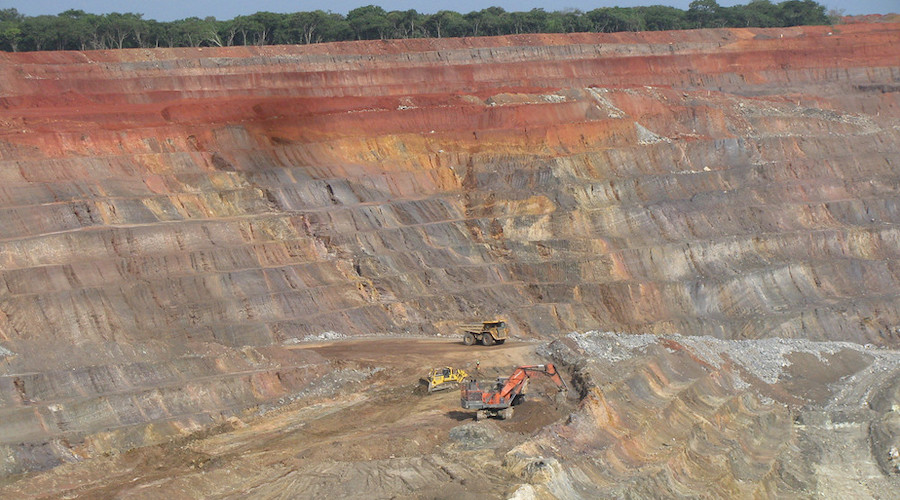
Zambia is targeting more than 1 mt of copper production as early as 2026, supported by large scale investments across key mining operations. Since taking office, the current administration has attracted approximately US$12 billion in mining investment.
Major projects underpinning this growth include a US$2 billion expansion at Lumwana by Barrick Gold, while First Quantum Minerals’ Kansanshi and Sentinel operations are expected to play a central role in reaching near term output targets. Mopani Copper Mines is undergoing a US$1.1 billion upgrade backed by International Resources Holding to increase production, while the Mingomba project led by KoBold Metals remains in the exploration phase with potential to deliver up to 1.2 mtpa.
To support mining expansion, Zambia is pursuing an aggressive energy strategy aimed at increasing installed capacity from around 3,500 MW to 10,000 MW by 2030. The Ministry of Energy’s Integrated Resource Plan outlines a diversified mix designed to reduce reliance on hydropower, which has been impacted by climate driven droughts.
Solar and wind are expected to account for 33% of total capacity, contributing around 3,300 MW by 2030. A near term target of 1,000 MW of solar capacity has been set for late 2025. Clean coal is expected to contribute approximately 3,000 MW to provide baseload stability, while hydropower will remain a core component, with new developments shifting to northern regions less affected by low water levels in the Zambezi basin.
Several flagship projects are already advancing this transition. The Carbon Feed In Premium programme has called for 300 MW of grid connected solar with battery storage, while a 100 MW hybrid wind and solar project agreement was signed in March 2026. The Presidential 1,000 Mini Grid Initiative is also driving rural electrification through solar based systems that support agriculture and small businesses.
Mining companies are playing a growing role in self generation, with firms such as First Quantum Minerals securing private solar and hydro capacity, including a 50 MW hydro project in partnership with Anzana Electric.
Achieving the planned energy mix will require investment of approximately US$11.6 billion by 2030. To attract capital, the government has streamlined regulatory processes, reducing solar project approval times from six months to 48 hours, and introduced incentives such as zero rated VAT on generation equipment.
Parallel to generation growth, Zambia is expanding its transmission network from 12,700 km to approximately 17,913 km by 2030. This expansion is aimed at evacuating power from new renewable energy sites to mining regions in the North Western Province and strengthening the country’s role as a regional energy trading hub.
Key domestic projects include the Muzuma to Kafue West 330 kV line, which will increase transfer capacity from southern generation hubs to central and northern demand centres, and upgrades at the Kabwe substation to improve grid stability. Additional lines are being developed to support rising mining demand in areas where major operators are expanding.
Regionally, Zambia is strengthening interconnections with neighbouring countries to enhance energy security and trading. Projects include the Kalumbila Kolwezi Interconnector linking Zambia and the Democratic Republic of Congo, the Kanona Tanzania line providing access to East African power markets, and the Zambia Mozambique interconnector. The Zambia Tanzania Kenya interconnector, supported by the World Bank, is set to form part of a broader corridor linking southern and eastern Africa.
The government has also introduced open access policies, allowing private players to transmit power through ZESCO infrastructure. This enables mining companies and independent producers to trade electricity more freely and invest directly in transmission assets, further supporting the integration of captive generation into the national and regional grid.
With mining and energy strategies now closely aligned, Zambia is positioning itself to unlock copper growth while building a more resilient and diversified power system.
Articles similaires

Sanu Gold Announces $5 Million Private Placement L...
06 sept., 2024 13:08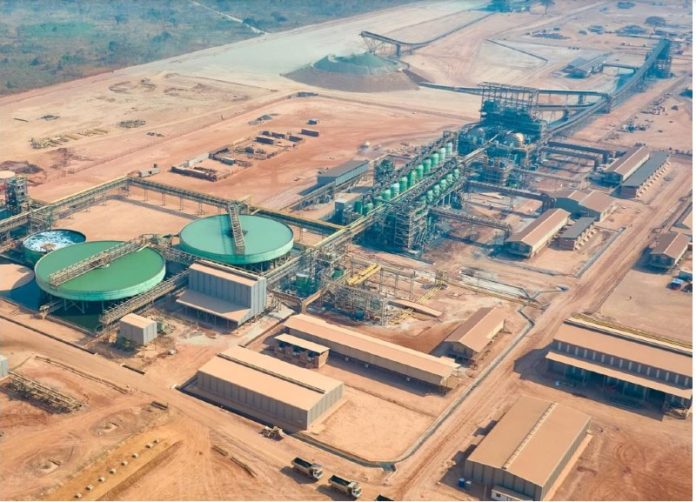
Ivanhoe Mines produces 40,347 tonnes of copper at ...
09 sept., 2024 09:21
Andrada partners with SQM to develop Namibia lithi...
10 sept., 2024 08:56
US, Saudi Arabia in talks to secure metals in Afri...
10 sept., 2024 09:07
DRC: Eurasian Secures $150 Million to Develop a Co...
12 sept., 2024 06:22
Zambian mines desperate for power turn to a surpri...
13 sept., 2024 11:18
Africa at the cusp of a critical minerals boom...
17 sept., 2024 07:40
Coolabah to unite Broken Hill assets, paving path ...
17 sept., 2024 08:40
Marula Mining completes first manganese exports sa...
18 sept., 2024 09:05