Energy Markets

Oil rebounds as U.S.-Iran peace deal questions cloud supply recovery, Brent nears $83


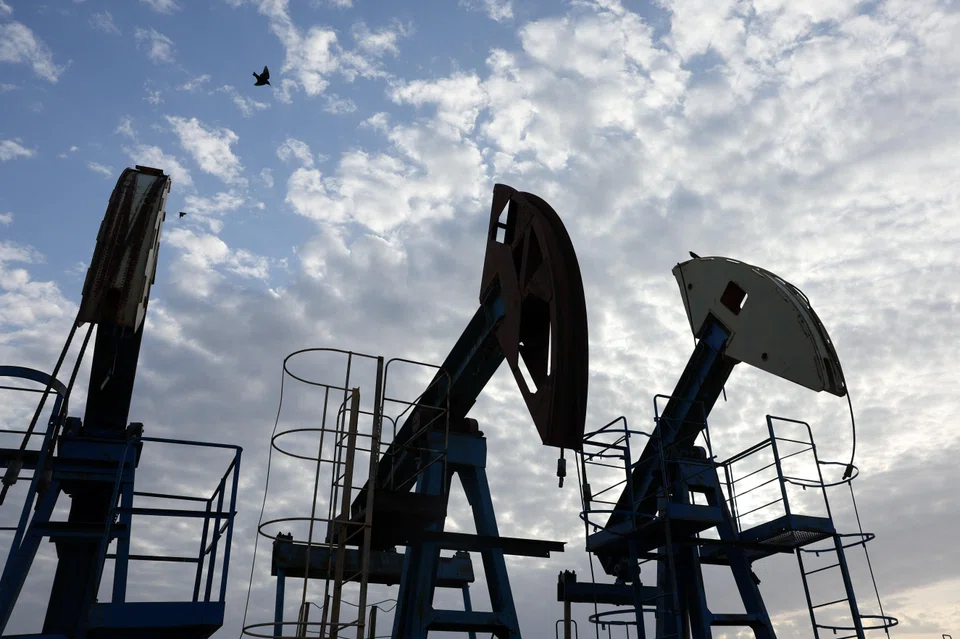
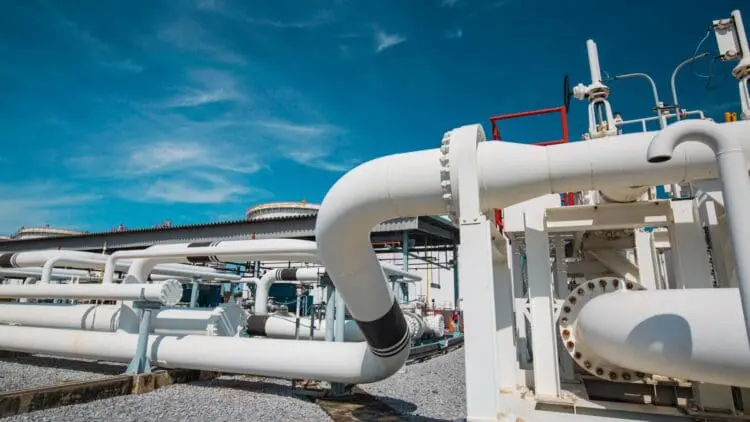
Oil prices rebounded on Tuesday as investors reassessed the implications of a preliminary agreement aimed at ending the war between the U.S. and Iran. While the announcement initially triggered a sharp selloff in crude markets, traders are now focusing on the many unanswered questions surrounding the deal and how quickly disrupted supplies can realistically return.
Brent crude futures gained 23 cents, or 0.28 percent, to $82.94 a barrel, while U.S. West Texas Intermediate rose 8 cents, or 0.1 percent, to $80.67 a barrel as of 8:27 UAE time.
The modest recovery follows a dramatic move lower on Monday, when oil prices fell nearly 5 percent to their lowest close since March 4. The decline came after U.S. President Donald Trump announced that a memorandum of understanding had been signed to end the U.S.-Israeli war with Iran. The conflict had resulted in the closure of the Strait of Hormuz, one of the world’s most important energy chokepoints.
Before the war, the waterway carried roughly one-fifth of global oil supplies. Its closure disrupted energy flows and contributed to the shutdown of approximately 14 million barrels per day of output, creating significant uncertainty across global commodity markets.
The initial reaction to the agreement reflected optimism that oil exports could soon resume and that one of the biggest geopolitical risks facing energy markets might be fading. However, as traders digested the announcement, attention quickly shifted from headlines to execution. Market participants are increasingly asking how the agreement will be implemented and whether the conditions necessary for a sustained reopening of supply routes are actually in place.
Deal questions remain
Despite the optimism following the announcement, the full details of the memorandum have not been released publicly and a permanent truce has not been worked out.
Early indications suggest the agreement would reopen the blockaded Strait of Hormuz and extend a ceasefire for 60 days, providing negotiators with a window to address some of the most sensitive issues at the heart of the conflict. Among them is the future of Iran’s nuclear program, a long-standing source of tension between Tehran and Washington.
The absence of a finalized framework has left markets cautious. While investors welcome signs of de-escalation, energy traders understand that geopolitical agreements often take time to translate into physical supply increases. Even after political commitments are made, operational, security, and logistical challenges can delay the return of production and exports.
Adding to the uncertainty, Iranian President Masoud Pezeshkian said on Monday that the U.S.-Iran memorandum of understanding was an “important step” toward ending the fighting, but emphasized that a final agreement for a lasting truce “has yet to take shape.”
At the same time, a senior Iranian official said that, pending a final agreement, Iran would freeze its nuclear activity, refraining from further uranium enrichment or the expansion of nuclear facilities.
Even with the current agreement in place, it remains unclear how quickly the curtailed supply will be able to return to the market. That uncertainty is helping support oil prices, as traders weigh the possibility that the path from diplomatic breakthrough to normalized energy flows could prove longer and more complicated than initially expected.
Related Articles

Renewable Energy Storage Market 2025 Forecast - La...
21 Oct, 2025 07:12
Solar power mistake in South Africa costs homeowne...
21 Oct, 2025 07:54
An Investor’s Guide to Africa...
21 Oct, 2025 09:47
Doha Strike Shakes Global Energy Assumptions...
22 Oct, 2025 13:01
GCC and Russia Deepening ties in a multipolar Midd...
23 Oct, 2025 11:59
Tesla prepares first steps into Africa with Morocc...
23 Oct, 2025 13:29
Off-Grid Solar Energy Market to grow at 17.42 GW b...
23 Oct, 2025 13:39
Petroleum Institute Urges Early Take Off of Africa...
23 Oct, 2025 13:45
Algeria inks $5.4 billion energy pact with Saudi M...
23 Oct, 2025 14:03