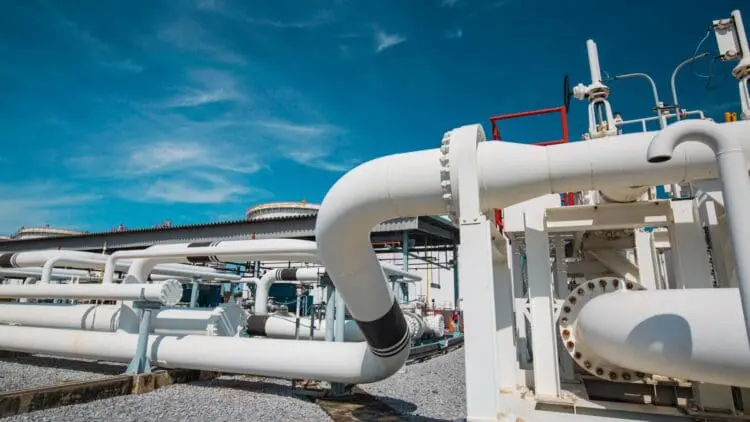
Energy Markets

Oil prices rise to $91.40 as supply fears grow on fading U.S.-Iran peace hopes


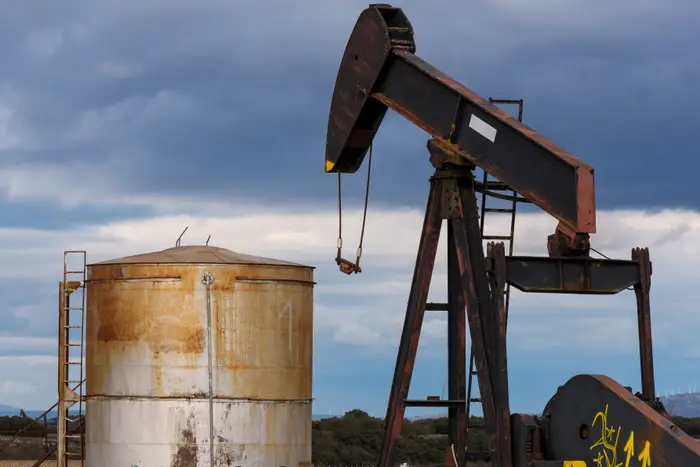
Oil prices climbed on Tuesday as hopes for an agreement to end the war in the Middle East weakened, raising concerns about potential disruptions to energy supplies. Iran signaled it could adopt a more aggressive military stance, while the United States ruled out extending the existing ceasefire arrangement.
As of 5:05 GMT, Brent crude futures rose 53 cents, or 0.58 percent, to $91.40 a barrel after climbing to their highest level since July 30 in the previous session.
Meanwhile, U.S. West Texas Intermediate (WTI) crude futures gained 64 cents, or 0.76 percent to $85.14 a barrel. Earlier, WTI had risen more than 1 percent to $85.37, its highest level since July 31.
U.S.-Iran peace talks stall
Oil prices rose as progress toward a peace agreement and the resumption of oil tanker traffic through the strategically important Strait of Hormuz have stalled, raising concerns that the conflict between the United States, Israel and Iran could drag on.
A senior Iranian official said on Monday that Tehran would shift to a fully offensive posture if diplomatic efforts with Washington fail to secure a lasting end to the conflict. The comments came as negotiations appeared to stall and Washington rejected an extension of the temporary ceasefire.
A projectile hit a vessel transiting out of the Strait of Hormuz on Tuesday, marking the latest incident to disrupt maritime traffic through the strategic waterway. Vessel crossings have remained in the single digits despite a modest increase from weekend levels, according to tracking data.
Meanwhile, Yemen’s Houthis said they had launched missiles at what they described as a Saudi military vessel and four accompanying ships in the Red Sea.
Hormuz uncertainty grows as ceasefire agreement expires
Oil prices also surged after Trump said the United States would not seek to extend its ceasefire agreement with Iran, which was reached in mid-June and expired on Monday. Trump also reiterated that Washington maintained full control of the Strait of Hormuz and that negotiations with Iran were continuing, claims Tehran has denied.
Uncertainty over the Strait of Hormuz was further heightened after Iranian media reported that Tehran had detained a tanker linked to the UAE for allegedly violating its rules in the strategic waterway.
Iran and Oman have recently indicated that they were holding talks aimed at reopening shipping routes through Hormuz, but neither side has announced a final agreement. Any deal could help restore global crude supplies.
Recent shipping data also showed that commercial traffic through the Strait remained far below pre-war levels, as concerns over potential Iranian attacks continued to deter vessels from making the crossing.
Before the conflict, the Strait of Hormuz handled roughly one-fifth of global oil supplies, making disruptions to the waterway a major threat to crude availability.
Related Articles

Renewable Energy Storage Market 2025 Forecast - La...
21 Oct, 2025 07:12
Solar power mistake in South Africa costs homeowne...
21 Oct, 2025 07:54
An Investor’s Guide to Africa...
21 Oct, 2025 09:47
Doha Strike Shakes Global Energy Assumptions...
22 Oct, 2025 13:01
GCC and Russia Deepening ties in a multipolar Midd...
23 Oct, 2025 11:59
Tesla prepares first steps into Africa with Morocc...
23 Oct, 2025 13:29
Off-Grid Solar Energy Market to grow at 17.42 GW b...
23 Oct, 2025 13:39
Petroleum Institute Urges Early Take Off of Africa...
23 Oct, 2025 13:45
Algeria inks $5.4 billion energy pact with Saudi M...
23 Oct, 2025 14:03