Energy Markets

Oil prices fall 1.49 percent to $91.29 as U.S. prepares tougher Iran sanctions


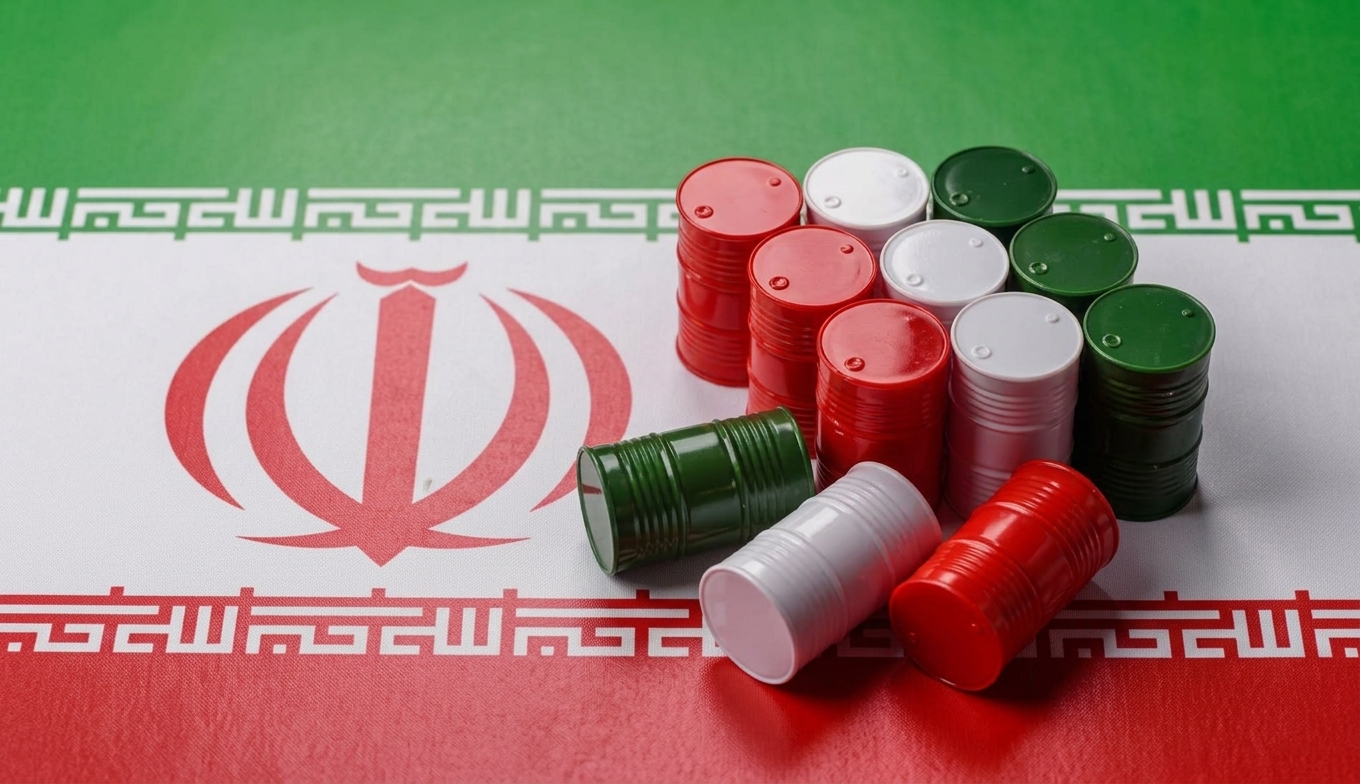
Oil futures retreated in early Asian trade on Monday as investors locked in profits following two weeks of gains, while markets awaited details of additional U.S. sanctions on Iran that could intensify pressure on already constrained Middle East oil supplies.
Brent crude futures fell 1.49 percent to $91.29 a barrel by 09:01 UAE time. U.S. West Texas Intermediate crude futures declined 1.67 percent to $85.61 a barrel.
Both benchmarks had posted their second consecutive weekly gains last week, advancing more than 5 percent as efforts to reach an agreement between Washington and Tehran stalled and oil shipments through the Strait of Hormuz remained restricted. Before the current disruption, the waterway handled about one-fifth of global oil supply.
The pullback therefore came against a backdrop of continued geopolitical and physical supply risks rather than a significant easing in the Middle East oil situation.
Sanctions raise risks
U.S. Treasury Secretary Scott Bessent is scheduled to hold a press conference at 2 p.m. EDT, or 1800 GMT, on Monday and has said Washington intends to impose what he described as the “toughest sanctions in history” on Iran. U.S. President Donald Trump has also threatened measures against countries that continue trading with Tehran.
Commonwealth Bank of Australia commodities analyst Vivek Dhar said it remains uncertain whether the U.S. strategy of economically isolating Iran will achieve its intended effect. He warned that if the measures prove effective, the risk of Tehran responding through greater violence would become increasingly important for energy markets.
Iran has condemned Washington’s plans for additional sanctions, although President Masoud Pezeshkian has called for a diplomatic solution.
IG Markets analyst Tony Sycamore said more pragmatic figures within Iran’s leadership would favor de-escalation, while hardliners could prefer continuing the confrontation. He said developments this week could provide a clearer indication of which position has gained greater influence.
Offers of Iranian crude to Chinese buyers have meanwhile declined and prices have increased as the U.S. blockade reduces Tehran’s shipments. Iran has, however, authorized several Iraqi oil tankers to pass through the Strait of Hormuz following repeated requests from Baghdad.
Supply tightness persists
Morgan Stanley analysts said crude supplies are tightening as oil held at sea has fallen sharply in recent weeks and onshore inventories have also declined, including in China. They said several data sources show aggregate Middle East exports returning to levels last seen around March and April, prompting a slower expected recovery in regional supply.
The physical disruption remains severe. Fresh shipping data released Monday showed only four commodity vessels crossing the Strait of Hormuz on Sunday and 13 on Saturday, compared with 16 on Friday. The figures can subsequently change because some vessels transit with their tracking devices switched off.
Over the seven days through August 21, 89 vessels exited the strait and 103 entered, according to UK Maritime Trade Operations data cited by Reuters. AIS-detected traffic was about 90 percent below pre-conflict levels and had declined from peaks recorded in late June.
Tankers accounted for 45 percent of traffic, with crude, petroleum-product and chemical tankers making up 56 percent of that segment and LPG carriers another 24 percent. UKMTO has reported 23 projectile-strike incidents since July 6 that caused bridge, engine-room or structural damage to vessels around the waterway.
A very large crude carrier transporting 2 million barrels of Emirati crude successfully exited the strait on Thursday, illustrating that some oil movements continue despite the sharp reduction in overall traffic.
Hormuz remains critical
The scale of the disruption matters because few alternative routes can absorb the oil normally moving through Hormuz.
The U.S. Energy Information Administration estimates that 20.9 million barrels per day of petroleum and other liquids transited the strait during the first half of 2025. That was equivalent to roughly 20 percent of global petroleum liquids consumption and one-quarter of internationally traded maritime oil.
Around 89 percent of crude and condensate passing through Hormuz during that period went to Asian markets. China, India, Japan and South Korea collectively accounted for 74 percent of those flows.
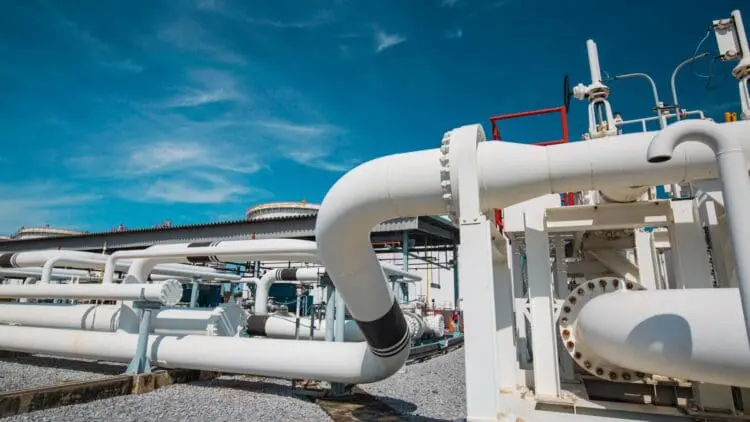
Alternative pipelines provide only partial protection against a prolonged maritime disruption. Saudi Aramco’s East-West pipeline and the UAE’s Abu Dhabi pipeline together could provide around 4.7 million barrels per day of capacity to bypass the strait, according to the EIA.
That gap between normal Hormuz flows and available bypass capacity has kept developments around the waterway central to crude pricing throughout the conflict.
The shipping disruption has also affected LNG. More than 20 percent of global LNG trade passed through Hormuz during the first half of 2025, mostly from Qatar.
Oil inventories decline
The latest IEA oil report shows how prolonged Gulf disruptions are increasingly being reflected in physical oil balances.
Global observed inventories declined by 69 million barrels in July as reduced Gulf and Caspian exports sharply lowered oil held at sea. Total observed stocks fell below 7.9 billion barrels and were 410 million barrels lower than when the conflict began, equivalent to an average draw of about 2.7 million barrels per day.
Global oil supply increased 2.4 million barrels per day in July to 101.5 million barrels per day as some Gulf production recovered, but remained 6.3 million barrels per day below year-earlier levels. Around 8.3 million barrels per day of Gulf production remained shut in.
The IEA cut its third-quarter supply estimate by 1.7 million barrels per day from its previous forecast after renewed hostilities and maritime disruptions impeded the recovery. It now expects global supply to decline by 4.3 million barrels per day on average in 2026.
The agency expects the global oil market to post a deficit of 1.8 million barrels per day in the third quarter, more than twice the roughly 800,000-barrel-per-day shortfall projected a month earlier.
Sanctions pressure builds
Monday’s expected announcement follows a series of U.S. measures targeting Iran’s oil, shipping and financial networks.
On July 7, Washington revoked a general license authorizing the sale of Iranian crude after attacks on commercial vessels in the Strait of Hormuz. Brent settled 3 percent higher at $74.16 that day before extending gains in post-settlement trading.
The U.S. Treasury subsequently targeted more than 50 individuals, entities and vessels on July 14 as part of an action against the shipping network of Mohammad Hossein Shamkhani, which Washington said remained a significant channel for Iranian oil exports.
Treasury followed on July 29 by sanctioning companies it said were involved in an IRGC-backed maritime insurance arrangement connected with vessels transiting Hormuz.
On August 7, Treasury announced another action against financial networks across several countries that it said were helping Iran move hundreds of millions of dollars and repatriate revenues from activities including petroleum sales. It described that measure as its eighth action of 2026 targeting Iran’s shadow banking system.
The succession of sanctions has therefore tightened alongside physical restrictions on shipping, leaving traders focused on whether Monday’s measures will further limit Iranian exports or provoke additional disruption in the Gulf.
OPEC+ adds supply
OPEC+ producers are simultaneously proceeding with a modest increase in available supply.
Saudi Arabia, Russia, Iraq, Kuwait, Kazakhstan, Algeria and Oman agreed on August 2 to implement a production adjustment of 188,000 barrels per day in September from earlier voluntary reductions. The group said the move was intended to support oil-market stability while allowing participating countries to accelerate compensation for previous overproduction.
The seven countries reaffirmed their commitment to full conformity with agreed output levels and said they would continue meeting monthly to assess market conditions. Their next meeting is scheduled for September 6.
At a separate August 2 meeting, the OPEC+ Joint Ministerial Monitoring Committee specifically highlighted the importance of protecting international maritime routes to ensure uninterrupted energy flows. It warned that attacks on energy infrastructure and disruption of shipping routes increase volatility and weaken efforts to maintain market stability.
Those additional barrels provide some supply support, but current oil pricing remains heavily influenced by the pace at which Middle East production and exports can recover and whether diplomatic or economic developments alter shipping conditions through Hormuz.
Related Articles

Renewable Energy Storage Market 2025 Forecast - La...
21 Oct, 2025 07:12
Solar power mistake in South Africa costs homeowne...
21 Oct, 2025 07:54
An Investor’s Guide to Africa...
21 Oct, 2025 09:47
Doha Strike Shakes Global Energy Assumptions...
22 Oct, 2025 13:01
GCC and Russia Deepening ties in a multipolar Midd...
23 Oct, 2025 11:59
Tesla prepares first steps into Africa with Morocc...
23 Oct, 2025 13:29
Off-Grid Solar Energy Market to grow at 17.42 GW b...
23 Oct, 2025 13:39
Petroleum Institute Urges Early Take Off of Africa...
23 Oct, 2025 13:45
Algeria inks $5.4 billion energy pact with Saudi M...
23 Oct, 2025 14:03