Precious Metals

Mali’s Loulo-Gounkoto Gold Output Rebounds After 2025 Shutdown


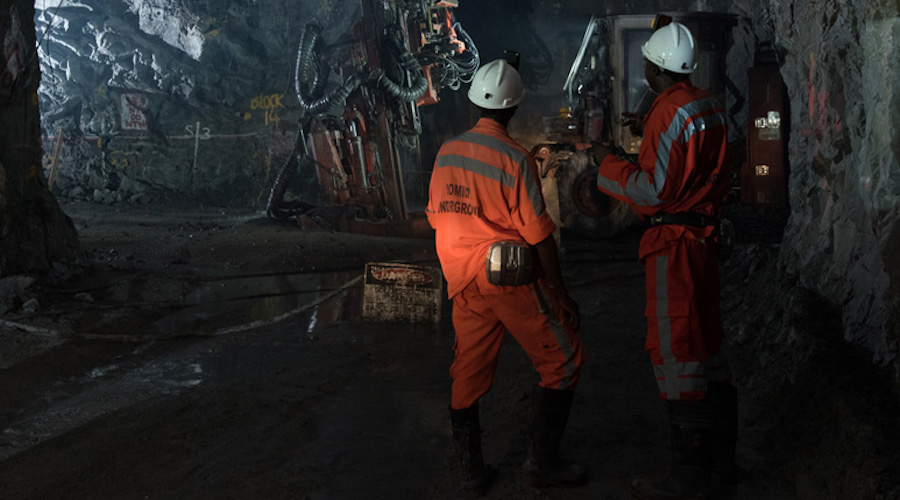
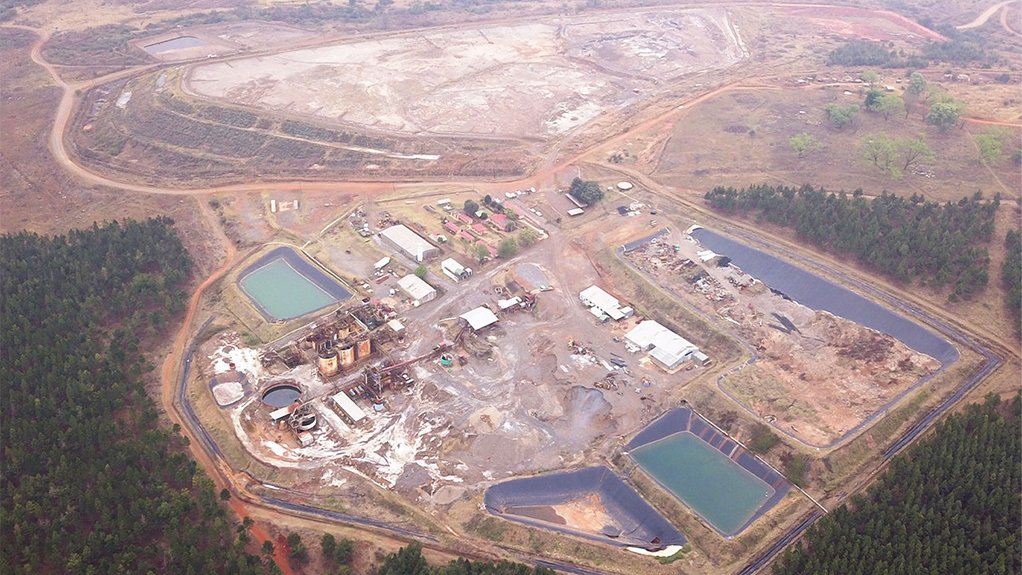
Mali’s Loulo-Gounkoto gold complex is gradually restoring production after a prolonged shutdown in 2025, with output rising sharply in the second quarter of 2026 as one of the country’s largest mining operations returns to activity.
Canadian operator Barrick Mining reported attributable production of 152,000 ounces for the first half of 2026 on Monday, August 10. Its share of output rose from 64,000 ounces in the first quarter to 88,000 ounces in the second, an increase of 38%.
Barrick owns 80% of Loulo-Gounkoto, while the Malian government holds the remaining 20%. On a consolidated basis, the complex therefore produced about 190,000 ounces of gold in the first half of the year.
Loulo-Gounkoto suspended operations in January 2025 amid a dispute between Barrick and the Malian government, notably over the application of the country’s new Mining Code adopted in 2023. The disruption lasted several months before an agreement reached in November 2025 allowed the Canadian group to regain operational control of the site in December.
Production Still Below Pre-Shutdown Levels
The first-half performance puts Loulo-Gounkoto at more than half the upper end of Barrick’s full-year consolidated production target of 362,500 ounces.
The recovery is expected to continue during the second half of 2026. Barrick anticipates higher spending as operations progressively return to normal.
The rebound matters for Mali because Loulo-Gounkoto was the country’s largest industrial gold producer before the shutdown and remains one of Africa’s major gold mining operations.
Despite the recovery, production remains well below pre-shutdown levels. Loulo-Gounkoto produced 723,000 ounces in 2024, nearly twice the upper end of Barrick’s current 2026 target.
Barrick has not provided a timetable for production to return to levels close to those recorded in 2024. The pace of the ramp-up during the second half will therefore determine how much of the output lost during last year’s disruption the complex can recover in 2026.
Related Articles

Investigation uncovers fraudulent identity documen...
10 Sep, 2024 08:08
The Top Five Gold-Producing Countries in Africa in...
10 Sep, 2024 08:46
AngloGold notes ‘enormous geological potential’ in...
10 Sep, 2024 09:29
Awalé Resources expands BBM gold zone at Odienné p...
10 Sep, 2024 11:38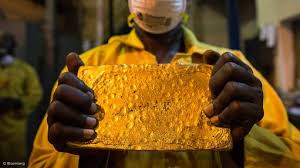
Proposed amendment: Gold mines to be subject to th...
10 Sep, 2024 12:39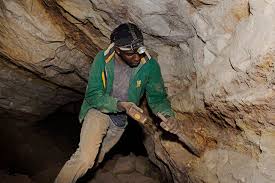
Pan African Resources Annual Result Improves; Expe...
12 Sep, 2024 07:42
African countries are joining the sovereign gold-b...
12 Sep, 2024 08:07
Platinum Group Metals Ltd. Announces Positive Inde...
16 Sep, 2024 09:11
At least 20 likely dead in violence near Papua New...
16 Sep, 2024 10:37