Metal Markets

Gold prices slip to $4,394.87 as dollar firms ahead of Fed minutes


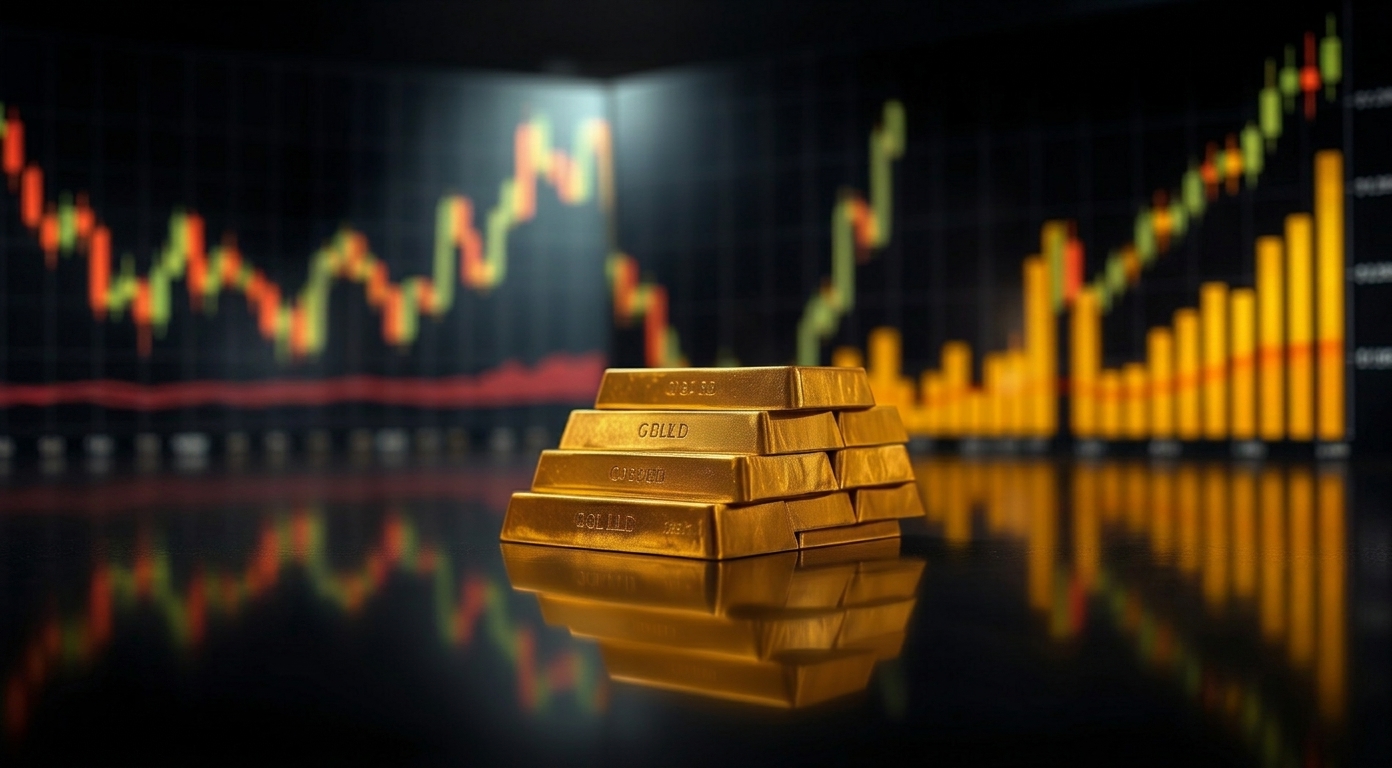
Gold prices fell on Tuesday, pressured by a stronger dollar, rising U.S. Treasury yields and a sharp increase in oil prices, as investors awaited the minutes of the Federal Reserve’s July meeting for further signals on the path for interest rates.
As of 5:28 GMT, spot gold declined 0.50 percent to $4,394.87 an ounce, while U.S. gold futures for December delivery slipped 0.53 percent to $4,450.12.
In the UAE, gold rates edged lower, with 24-carat gold losing AED1.25 to AED529.5 and 22-carat gold easing AED1.25 to AED490.25.
In addition, 21-carat gold and 18-carat gold declined AED1.25 to AED470 and AED402.75, respectively.
Meanwhile, 14-carat gold declined AED0.75 to AED314.25.
Gold prices ease as oil rallies on renewed Mideast tensions
Gold prices declined as the U.S. dollar index, which tracks the greenback against a basket of major currencies, rose 0.01 percent to 99.65. In addition, yields on the benchmark 10-year U.S. Treasury note continued to rise, increasing the opportunity cost of holding non-yielding gold.
Oil prices also moved higher after Iran said it would adopt a fully offensive military posture following a breakdown in efforts to reach a permanent end to the conflict with the United States, while Washington ruled out extending a temporary ceasefire. Oil prices will remain one of the key factors keeping gold prices under pressure as the situation in the Middle East continues to look uncertain.
In addition, expectations for the Federal Reserve’s interest-rate policy will remain important for gold prices. Higher energy prices can fuel inflation concerns and strengthen expectations for elevated interest rates.
While gold is widely viewed as a hedge against inflation, higher rates tend to reduce the appeal of the non-yielding asset.
“Elevated real interest rates would normally be expected to create a substantial opportunity cost for holding an asset that produces no income. Yet gold has remained remarkably resilient. There are cyclical explanations. Expectations for further Federal Reserve tightening have moderated, geopolitical risks remain elevated and central-bank demand has provided structural support,” said Charu Chanana, Chief Investment Strategist, Saxo Bank.
Fed rate hike bets ease
Market expectations for a quarter-point Fed rate hike in September have shifted, with traders now assigning nearly a 65 percent probability to the central bank keeping rates unchanged. The change in the outlook follows an unexpected decline in U.S. employment in July, softer-than-expected inflation and weaker retail sales.
Investors are also looking ahead to the minutes of the Federal Reserve’s latest policy meeting, due to be released on Wednesday, for further clues on the central bank’s rate path.
“But we think there may also be a broader portfolio message. Gold is increasingly being viewed not only as an inflation hedge but as an asset that sits outside conventional sovereign liability structures. That distinction could matter in an environment where government borrowing remains high and investors are increasingly sensitive to fiscal sustainability,” said Chanana.
“This does not mean gold has become insensitive to yields. Rather, we think its drivers have broadened. Real yields, the dollar, central bank demand, geopolitical risk and fiscal credibility may all matter simultaneously,” she added.
Other precious metals
As gold prices declined, the broader precious metals market eased on Tuesday. Spot silver fell 1 percent to $65.11 an ounce, while platinum declined 1.2 percent to $1,748.56 and palladium dropped 1.2 percent to $1,317.01.
Related Articles

Saudi Arabia champions global partnerships to powe...
21 Oct, 2025 06:51
Can Turkey Become a Rare Earth Element Power?...
23 Oct, 2025 13:24
Orion Minerals Set to Develop Secure, Responsible,...
23 Oct, 2025 14:12
Investing in Platinum Stocks...
24 Oct, 2025 06:56
Copper And Aluminum Prices Climb As Supply Worries...
24 Oct, 2025 07:09
Dubai 24-carat gold prices dip AED3.75 as global r...
24 Oct, 2025 12:06
Bauxite sales up but tariffs on Chinese metal ship...
27 Oct, 2025 13:15
Angola bids for majority stake in De Beers, source...
28 Oct, 2025 07:02
Dubai 24-carat gold price today drops AED479; glob...
28 Oct, 2025 08:15