Storage

Egypt builds fuel reserves as Gulf tensions threaten imports


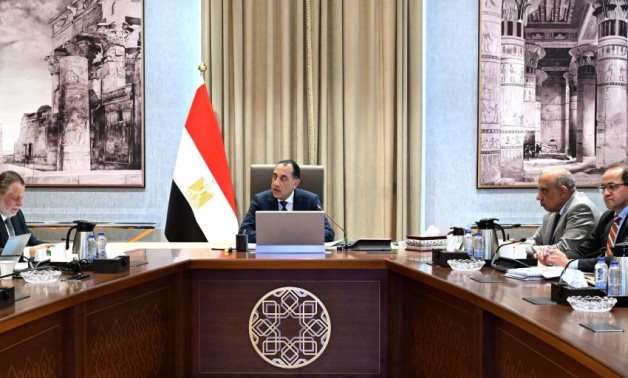
Egypt is expanding its strategic petroleum reserves as renewed disruption to shipping through the Strait of Hormuz raises concerns over fuel supplies, prompting the government to accelerate imports and secure additional financing for stockpiles.
Mostafa Madbouly, the Egyptian prime minister, convened an emergency meeting of the finance and petroleum ministers, as well as the central bank governor and other officials, to discuss plans to bolster the available stock of petroleum products.
Egypt, the third largest Arab economy and most populated regional nation, is heavily reliant on imports of petroleum products, including from the oil-rich Gulf, given its high consumption and relatively low refining capacity.
“Intensive efforts are underway to secure and maintain a reassuring strategic reserve of petroleum products. This is in line with the current uncertainty and to ensure market stability amidst the unstable geopolitical situation in the region,” Madbouly said.
“The aim is to prepare for any emergencies, ensuring the uninterrupted continuity of energy supplies and meeting the needs of citizens and all productive sectors,” he added in statements published on the cabinet’s website.
A statement said the meeting covered the need for “joint action” between the finance ministry and the central bank to ensure the provision of the necessary and sustainable financial credits to build up these strategic reserves.
The Saudi satellite news TV channel Al-Arabiya quoted an Egyptian government official as saying last month that the government has approved a two-month plan to buy 2 million tonnes of petroleum products. They include around 1.2 million tonnes of diesel, 400,000 tonnes of gasoline and more than 450,000 tonnes of butane gas.
Egypt’s refining capacity is estimated by the Kuwaiti-based Organization of Arab Petroleum Exporting Countries at about 830,000 barrels per day (bpd), far below actual consumption of nearly 2 million bpd in 2025.
In late March, Madbouly said that Egypt’s monthly gas import bill was $560 million before the the eruption of the Iran war but has now reached $1.65 billion.
Diesel costs have also jumped to $1,604 per tonne from $665, while butane, primarily used for cooking, has risen 34 percent to $730 per tonne since the war started.
Related Articles
Nigerian communities seek $310 mln from Shell, wan...
13 Sep, 2024 09:26
Aramco to increase stake in EIG’s MidOcean to 49%,...
17 Sep, 2024 07:50
Saudi Arabia starts operations for the 1st natural...
30 Sep, 2024 13:20
Grid and regulatory hurdles stand in way of Ramokg...
01 Oct, 2024 08:28
Libya Set to Revive Halted Oil Production as Bank ...
01 Oct, 2024 09:10
5th Angola Oil & Gas Opens in Luanda with Calls to...
03 Oct, 2024 11:43
How Heirs Energies turns around OML 17 in 100 days...
22 Oct, 2024 08:28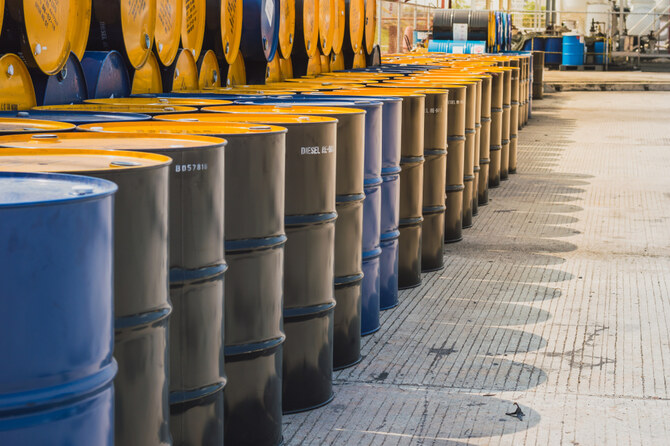
Oil Updates – crude heads for weekly gain as Middl...
25 Oct, 2024 08:31
Better news for petrol prices in South Africa...
28 Oct, 2024 09:19