Métaux de base

Copper, growth, IMF: What investors are watching in Zambia's upcoming election


Zambians vote on August 13 in presidential and parliamentary elections, with polls and investors widely expecting President Hakainde Hichilema to defeat a fragmented opposition led by Brian Mundubile.
The bigger question for investors is whether a second Hichilema term can turn Zambia's post-default macroeconomic turnaround into stronger, job-creating growth.
Here are key issues investors will be watching:
PUSH FOR A NEW IMF PROGRAMME
The southern African country's previous $1.7-billion programme with the International Monetary Fund, which underpinned the government's sovereign debt restructuring, ended in January.
Investors see a new IMF programme as the clearest test of policy continuity after the debt restructuring process.
They are watching for two things in particular: how quickly talks conclude and whether the conditionality shifts from crisis management towards boosting growth.
Any new deal will need to retain fiscal discipline while pivoting toward growth.
COPPER SECTOR IS KEY
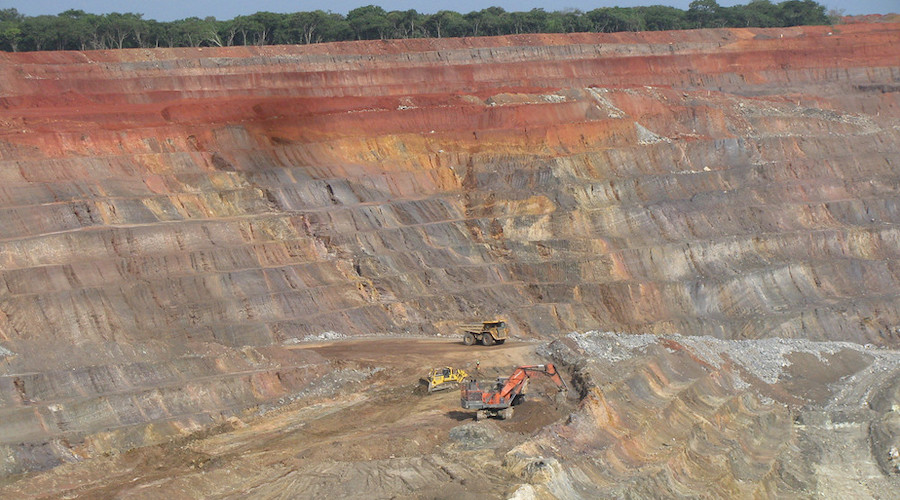
Copper is the backbone of Zambia's economy, generating 70% of export earnings and a key source of government revenue, investment and jobs.
Investors will be watching whether Zambia can convert its foreign direct investment pipeline in the copper sector — including the return of Vedanta, continued investment from Barrick, and First Quantum's ongoing expansion — into actual production gains, given ambitions to triple output over the longer-term from roughly 1 million tons now.
On policy, Zambia has said it has no plans to change mining tax rates. But investors will be tracking implementation of a local-content bill requiring miners to raise domestic procurement toward 40% over three to four years from 20%.
Local suppliers often lack the financing and technical capacity to meet mining industry standards, meaning foreign operators could face supply-chain strain or enforcement uncertainty just as they push ahead with major expansions.
REFORMS NEEDED FOR GROWTH
Investors would like to see more spending on exploration, with only two major new mines coming online in the past decade. Mining, which makes up more than 10% of Zambia's GDP, is a key driver of growth.
Other top priorities include increased government efficiencies in tax collection and overhauling the grain market so that private buyers, and not government, absorb Zambia's growing maize surplus.
Standard Chartered says a bumper maize harvest, with output expected to rise to a record this year of 28% year-on-year, will force the government to buy more grain from local farmers.
Along with election spending, the bank sees this as a key source of fiscal pressure.
The bank forecasts a 2026 fiscal deficit of about 5.0% of GDP, more than double the government's original target of 2.1%.
Investors worry that without a shift toward private sector-led grain marketing, the state's purchasing obligations will continue to rise as production expands toward the government's target of 10 million tons.
POWER SUPPLY
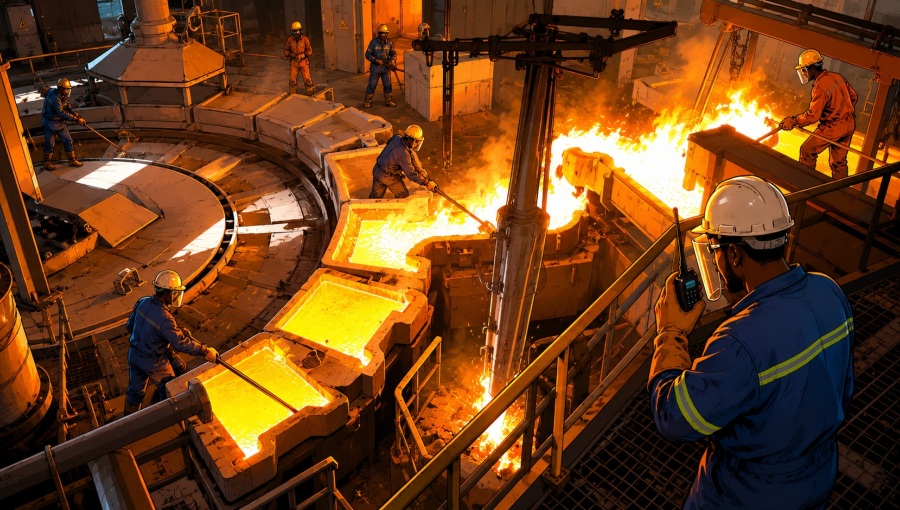
Investors say Zambia's ability to expand copper output will depend heavily on improving power supply after drought-related shortages exposed vulnerabilities in the hydro-dependent electricity system.
While investment in solar generation is accelerating, investors will be watching whether reforms can secure reliable power for planned mining expansions.
RISKS AHEAD
Election monitors have flagged risks around voter-card confiscation and vote-buying, while analysts warn of a risk of localised unrest, particularly in the Copperbelt and northern provinces or among disillusioned urban youth, if results are unexpected or contested.
Investors are also watching weather and power risks. Zambia remains highly vulnerable to drought because of its dependence on hydropower and rain-fed agriculture.
The 2023-24 El Niño drought caused widespread crop failures and power shortages, forcing severe load-shedding and weighing on economic activity. Another poor rainy season could threaten both electricity generation and growth.
(Reporting by Colleen Goko; Editing by Karin Strohecker and Clarence Fernandez)
Articles similaires

Sanu Gold Announces $5 Million Private Placement L...
06 sept., 2024 13:08
Ivanhoe Mines produces 40,347 tonnes of copper at ...
09 sept., 2024 09:21
Andrada partners with SQM to develop Namibia lithi...
10 sept., 2024 08:56
US, Saudi Arabia in talks to secure metals in Afri...
10 sept., 2024 09:07
DRC: Eurasian Secures $150 Million to Develop a Co...
12 sept., 2024 06:22
Zambian mines desperate for power turn to a surpri...
13 sept., 2024 11:18
Africa at the cusp of a critical minerals boom...
17 sept., 2024 07:40
Coolabah to unite Broken Hill assets, paving path ...
17 sept., 2024 08:40
Marula Mining completes first manganese exports sa...
18 sept., 2024 09:05