Mining Other

Republic of Congo's Zanaga iron ore project targets 2027 investment decision, requires $2.17 bln


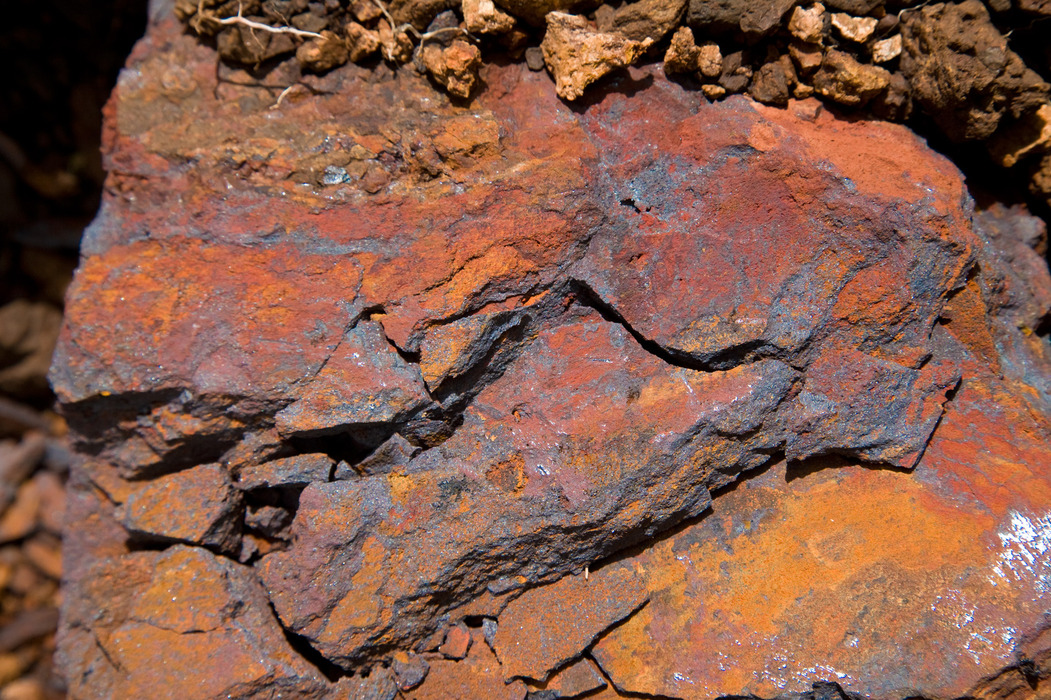
Developing the Zanaga iron ore project in the Republic of Congo will require an initial investment of $2.17 billion, up from a previous estimate of $1.9 billion, operator Zanaga Iron Ore Company (ZIOC) said on Wednesday as part of an updated mine plan.
The revised estimate follows several months of metallurgical testing aimed at producing high-grade iron ore concentrate suitable for direct reduced iron (DRI) production, a lower-emission steelmaking process increasingly sought by global steelmakers.
The tests resulted in changes to the plant design, increasing projected capital expenditure while improving the project's economics.
The first development phase, budgeted at $2.17 billion, would support annual production capacity of 12 million tonnes of iron ore. A second phase would raise output to 30 million tonnes per year, bringing total investment over the estimated 30-year mine life to $4.05 billion.
Under the two-phase development plan, the project now carries a net present value (NPV) of $4.9 billion, up 29.4% from the previous estimate, while the internal rate of return (IRR) rose to 24.3% from 23%.
ZIOC said completion of the updated study marked a major milestone for the project and strengthened confidence in its long-term economics, adding that growing demand for high-grade, low-emission iron ore could position Zanaga as a significant supplier to the global market.
Final investment decision targeted for 2027
Following completion of the updated study, ZIOC said it plans to begin pre-construction work, including an updated mineral reserve estimate, environmental and social impact studies, and continued discussions with potential lenders. The company is targeting a final investment decision by the end of 2027. ZIOC could also rely on its partnership with Red Arc Minerals (RAM), with which it is exploring the creation of a joint venture around the project.
Under an agreement announced in February, RAM could gradually acquire a stake of up to 87.5% in the project in exchange for a total investment of $150 million. The companies are continuing negotiations to finalize the terms of the deal, after which they would fund development in line with their respective ownership stakes.
ZIOC is advancing Zanaga as competition intensifies among a new wave of iron ore projects expected to add supply to an already oversupplied market. In Africa, projects including Baniaka in Gabon and MIFOR in the Democratic Republic of Congo are also moving forward, while Guinea's Simandou mega-project is expected to begin delivering its first output in the coming years.
S&P Global has warned that additional supply from Simandou could put significant downward pressure on iron ore prices. Against that backdrop, ZIOC's ability to secure investors and long-term offtake agreements remains critical for a project of Zanaga's scale.
The company has been seeking to advance the project for nearly a decade, a period that culminated last year in the full exit of Glencore, its former joint venture partner. By comparison, Guinea spent more than two decades assembling the consortium of companies willing to finance and purchase output from Simandou, a project estimated to cost around $20 billion including rail and port infrastructure.
Related Articles
Endeavour announces transaction in own shares...
10 Sep, 2024 07:27
Ivanhoe Mines Announces MOU with Government of Zam...
10 Sep, 2024 12:24
Feasibility Study on Lumwana Super Pit Expansion E...
12 Sep, 2024 14:21
Endeavour achieves commercial production at BIOX e...
13 Sep, 2024 08:20
Roscan Gold Announces Changes to the Board of Dire...
16 Sep, 2024 10:40
Minerals Council pays tribute to Pravin Gordhan...
16 Sep, 2024 12:17
Notification of an acquisition of beneficial inter...
18 Sep, 2024 08:39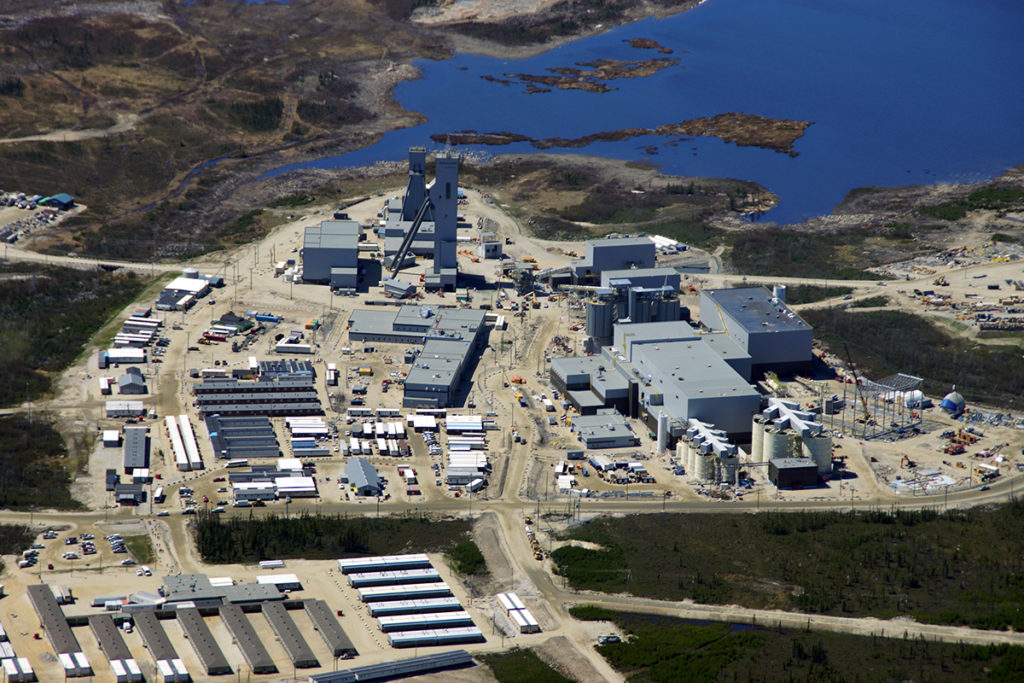
Newmont on track to get at least $2 billion from a...
18 Sep, 2024 10:49
UAE firm plans to invest $500m in Tanzania...
19 Sep, 2024 08:37