Sea

Qatar Pushes LNG Tanker Traffic Through Hormuz to 2-Month High


By: OrePulse
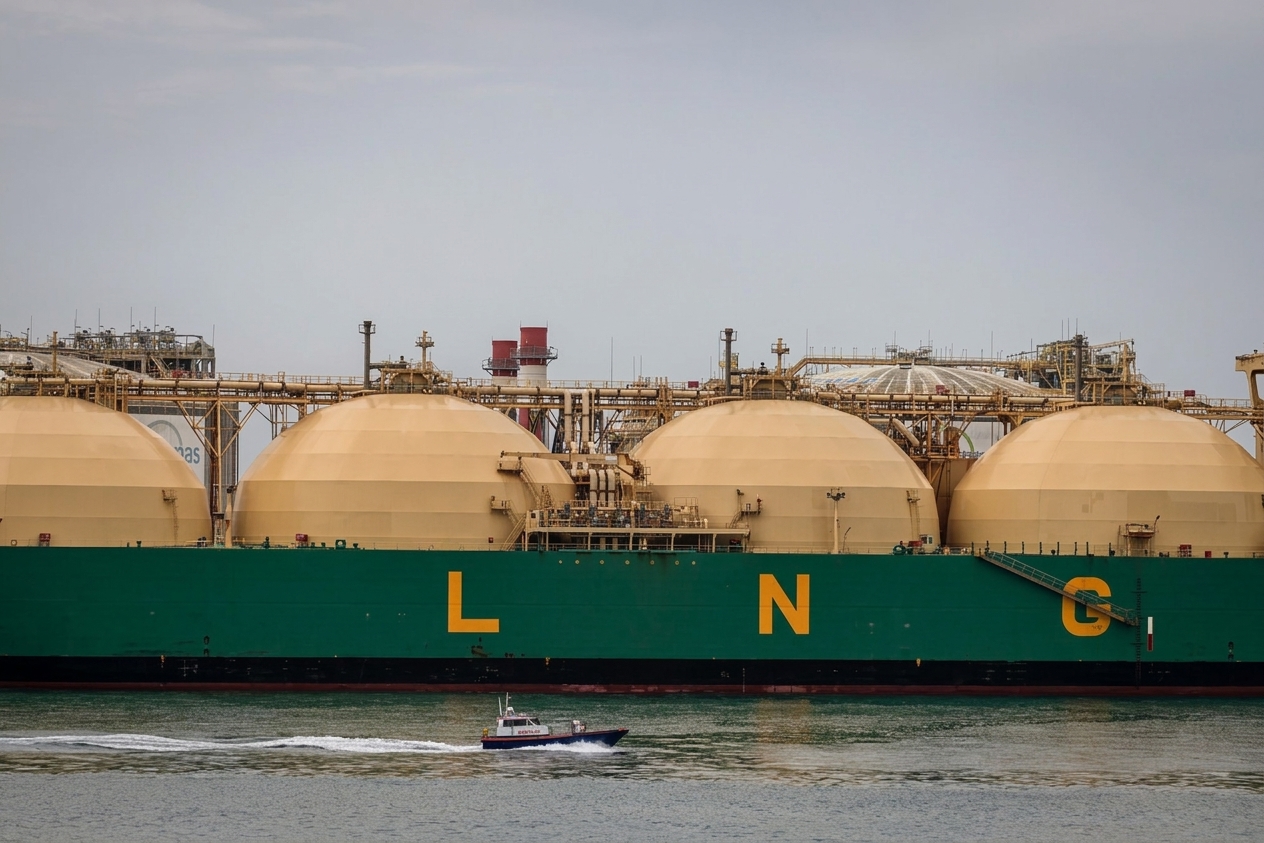
Qatar has sent more liquefied natural gas tankers through the Strait of Hormuz over the past week than at any point in the previous two months, a tentative sign of easing caution around one of the world's most closely watched shipping chokepoints.
Ship-tracking data reviewed this week showed at least four LNG carriers moving through the strait over the past several days: two loaded vessels heading outbound and two moving inbound toward the Persian Gulf, with at least one outbound cargo bound for India's west coast. The pickup marks the most sustained run of transits since early July, the point at which Qatar largely pulled back from sending LNG exports through Hormuz after one of its own vessels was attacked.
Even with the recent uptick, traffic remains well below levels seen before the regional conflict disrupted shipping in the strait. Qatar had been sending roughly three LNG cargoes a day through Hormuz before the disruption, a route that historically has carried about one-fifth of the world's LNG supply; at four vessels across an entire week, current volumes fall well short of that earlier daily pace.
The partial recovery comes as gas markets in Europe and Asia face their own pressure heading into winter, with prices in both regions climbing to their highest levels since 2022. Any additional Qatari volume reaching international buyers could help ease that tightening. However, the current increase is modest compared with the cargoes Qatar moved before the conflict began.
To manage the risk of sending tankers through Hormuz directly, Qatar appears to be experimenting with a tactic other Gulf oil exporters have used during the conflict: running cargoes through the strait on company-operated vessels, then transferring them onto other ships once clear of the strait in the Gulf of Oman. Executing that kind of transfer is more technically demanding for LNG than for oil, since it involves moving super-chilled liquefied gas between vessels rather than a more easily handled liquid crude.
State-owned QatarEnergy has also used other means to keep cargoes moving without sending every shipment through Hormuz at full risk, loading LNG onto tankers already sitting empty within the Gulf and exporting some fuel to Kuwait. Those steps aim to manage onshore storage levels and keep at least minimum operations running at the Ras Laffan export facility, the company's flagship terminal and the world's largest LNG complex.
Related Articles
Mawani, Sultan Logistics to build logistics zone i...
03 Mar, 2026 08:39
AD Ports Group confirms business continuity across...
04 Mar, 2026 12:04
AD Ports says rerouted maritime traffic may lift v...
04 Mar, 2026 12:07
Aqaba port maintains operations as cargo vessels d...
04 Mar, 2026 12:43
All Jebel Ali terminals are operating normally...
06 Mar, 2026 09:06
Kuehne+Nagel holds top sea freight rank in 2025...
06 Mar, 2026 10:48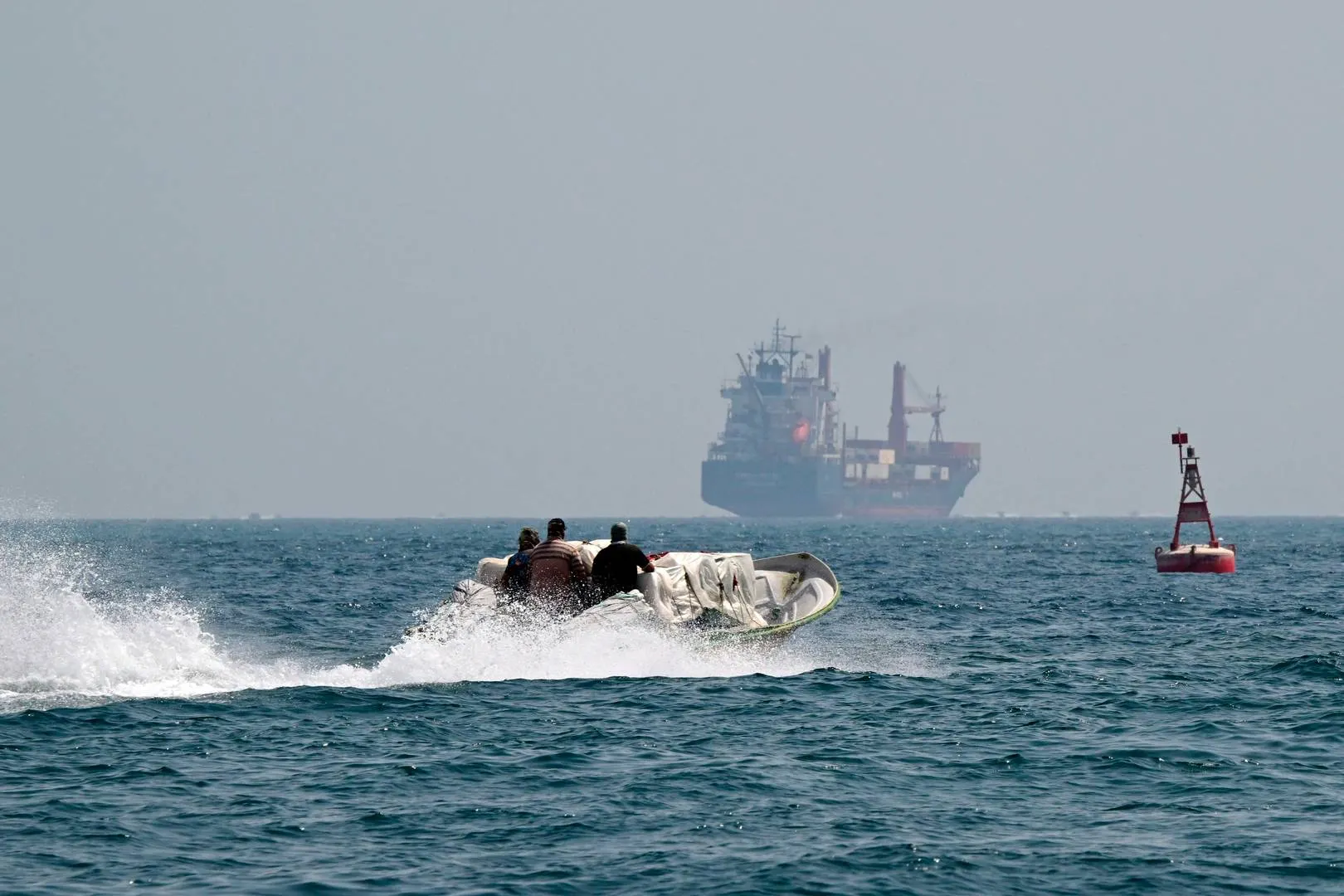
War-risk cover for Gulf shipping may take months t...
06 Mar, 2026 10:58
CMA CGM posts $54.4bn revenue despite volatile shi...
09 Mar, 2026 08:58
DP World handles multi-country shipments for T20 W...
10 Mar, 2026 09:32