Precious Metals

DRD Gold reports 6% revenue increase despite decline in gold sales


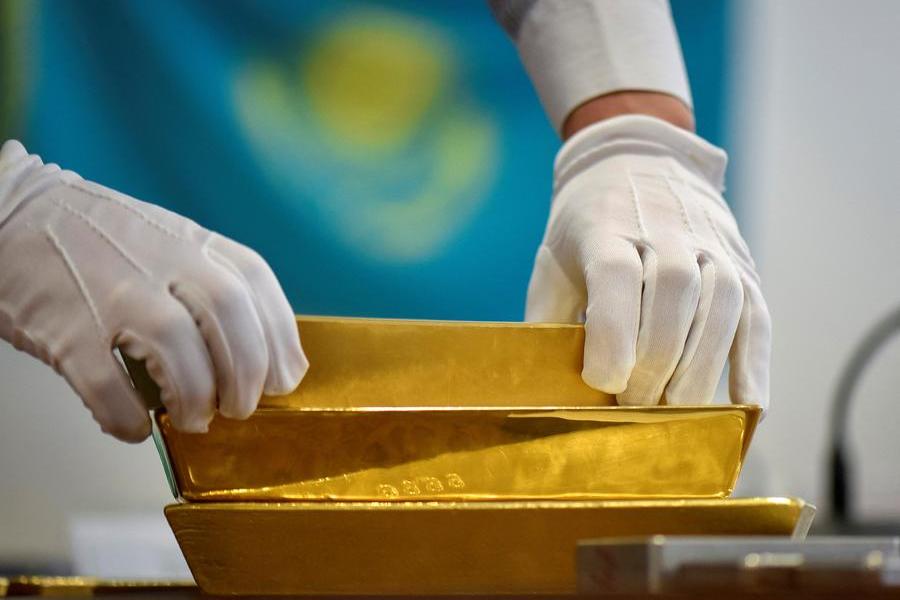
DRD Gold increased revenue by 6% in the quarter to March 31, primarily due to the rise in the price of gold and despite a 6% decline in the amount of gold sold.
Revenue for the quarter increased to R2,96 billion. The average gold price received rose by 13% to R2,565,465 per kilogram.
Gold production increased by 6% from the previous quarter, reaching 1,219 kilograms, primarily due to a 5% increase in tonnage throughput and a slight increase in yield to 0,194 grams per ton.
Tonnages processed improved due to drier weather conditions following early rainfall in the previous quarter.
Cash operating costs increased by 5% to R1,19bn due to higher reagent consumption and trucking costs, in line with the increased tonnages processed.
As a result of the increase in gold production, cash operating costs per kilogram fell by 4% from the previous quarter to R960,270 per kilogram. Cash operating costs per ton remained consistent at R190 per ton.
Adjusted EBITDA (earnings before interest, tax, depreciation, and amortisation) increased by 21% from the previous quarter to R1,81bn, which was attributed to the increase in revenue and effective cost containment measures.
Last August, the company issued production guidance for the year ending June 30, 2026, estimating production to be between 140,000 ounces and 150,000 ounces of gold, with cash operating costs around R995,000 per kilogram.
"The company remains on track to achieve the upper end of this production guidance while maintaining its operating cost guidance for the 2026 financial year," DRD's directors said.
Capital expenditure on growth projects fell by R129,8m or 16%, to R693,2m from the previous quarter. Total growth capital expenditure for the nine months ending March 31 amounted to R2,3bn compared to R1,18bn for the nine months ended March 31, primarily driven by continued investment in key projects at Far West Gold Recoveries, including the Regional Tailings Storage Facility (TSF), the Driefontein 2 Plant expansion, and associated pipeline.
Funds were also allocated to Ergo Mining, including the Daggafontein pump station and related infrastructure, as well as the pipeline connecting the Daggafontein TSF with the Ergo plant, in preparation for the resumption of deposition onto this TSF.
Lower capital expenditure during the quarter was mainly attributable to reduced spending on the Driefontein 2 plant and pipeline network expansion, as well as on the Daggafontein TSF, as these projects have passed peak expenditure and are nearing completion.
All-in sustaining costs per kilogram were R1,07m, decreasing by 5% quarter on quarter, mainly due to the increase in gold production and a decrease in sustaining capital expenditure. All-in costs per kilogram were R1,67m, decreasing by 7% quarter on quarter, mainly as a result of lower non-sustaining capital expenditure.
Related Articles
China’s ‘encouraging’ hydrogen progress witnessed ...
03 Mar, 2026 07:55
Lucara posts lower 2025 revenue, says additional f...
04 Mar, 2026 07:48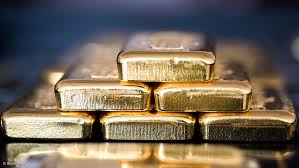
Gold bulls say broader rally is intact despite inv...
04 Mar, 2026 08:00
WorldVest Launches Gold Finance Africa, Building a...
04 Mar, 2026 10:44
Gold and silver rallies likely on pause despite ne...
04 Mar, 2026 11:49
Gold prices climb over 1 percent to $5,164 as Midd...
04 Mar, 2026 11:59
‘Extremely robust’ platinum investment demand expe...
04 Mar, 2026 13:08
Trigon Metals Launches Silver Exploration Drive in...
05 Mar, 2026 08:00
The Ekapa Mine liquidation – A tragedy compounded...
05 Mar, 2026 08:05