Base Metals

Congo pivots westward under cover of cobalt controls


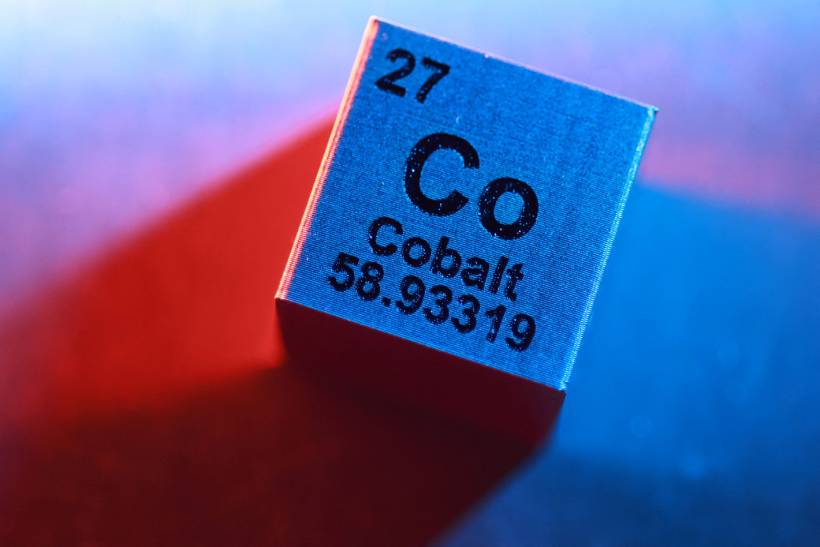
The scale of the Democratic Republic of Congo's cobalt ambitions is becoming ever clearer.
The world's largest producer of the strategic metal, which is used in everything from mobile phones to stealth bombers, has used export restrictions to drain the global market of previous excess and lift prices.
But as it takes more control over its cobalt sector, Kinshasa is simultaneously trying to reduce its reliance on Chinese operators and pivot towards the West, particularly the United States.
This rebalancing act is accompanied by renewed attempts to integrate artisanal and small-scale mining (ASM), an ethical minefield for Western cobalt buyers, into the official sector.
MOVING MARKETS
Congo has been restricting cobalt exports since February last year, replacing a full ban with a quota system in October.
Shipments only started picking up again early this year due to teething problems with the new administrativesystem.
Very little has yet shown up in China's import figures. The largest buyer of Congolese cobalt imported just 5,000 metric tons between January and April, down from almost 200,000 tons in the same period of 2025, according to the World Bureau of Metal Statistics, which collates customs information.
The supply hit has until recently been cushioned by the stock overhang built up in previous years of Congolese over-production.
The cobalt metal price OCBc1 has traded sideways so far this year, although at $26.00 per lb it's more than double the level before Congo suspended exports early last year.
But supply chain tension is building.
The payable price of cobalt hydroxide, the form of the metal shipped by Congo, has continued rising to the point that it has been trading at parity with, or even above, the metal price this year.
This price inversion, according to Ying Lu, principal analyst at consultancy Project Blue, is reshaping the supply chain as refineries start using more metal to produce sulphate, the type of cobalt used by battery manufacturers.
Moreover, this may not be a temporary blip. Rather, the shift in product pricing "suggests that the market is assigning a structural premium to secure access to DRC-origin cobalt units," Project Blue adds.
SECURING ACCESS
China's refiners may find securing access to Congo's cobalt is about to become more competitive as Kinshasa opens up to U.S. investment.
Last June's U.S.-brokered deal with Congo and Rwanda to end years of hostilities was underpinned by Congo's mineral riches, particularly cobalt.
Two recent announcements suggest the deal is starting to deliver.
Virtus Minerals, which describes itself as a U.S.-based critical minerals platform, bought the privately owned Chemaf copper and cobalt mines in May and aims to restart full operations after years of uncertainty.
Congo's Entreprise Generale du Cobalt (EGC), the state entity with a monopoly on purchasing ASM cobalt, has signed a memorandum of understanding with trading house Trafigura and U.S. startup EVelution to supply the latter's proposed new cobalt refinery in Arizona.
Such tie-ups are massively helped by the Lobito Atlantic Railway, another U.S.-backed investment linking the Congolese copper belt with the Angolan port of Lobito.
Western operators now have an alternative export route to the Chinese-backed TAZARA railway, which carries cargo to the Tanzanian port of Dar es Salaam.
ARTISANAL 'GOLD STANDARD'
The EGC's challenge is to ensure that the ASM production it supplies to its Western partners is ethically clean.
Illegal mining, often in dangerous conditions, has cast a long shadow over both Congo and the cobalt market.
Kinshasa has tried before to find a successful solution to integrating its shadow mining sector, with only limited success.
But a new venture between the EGC and trading house Mercuria aims to establish a "Gold Standard" for responsible ASM cobalt mining at the Kasulo mine site.
Assuring Western consumers they are not buying "blood cobalt" is essential if Congo wants to balance its Chinese dependency with new U.S. markets.
MORE POWER
Events have conspired to enhance Congo's leverage over the cobalt market even further this year.
There are serious question marks over Sherritt International's S.TO Canadian refining operations after the latest raft of U.S. sanctions forced the company to discontinue its joint venture operations in Cuba.
The Ambatovy nickel-cobalt operations in Madagascar were knocked out by a cyclone in February and are in the process of an ownership change.
Indonesia's nickel refineries, another major non-Congo source of cobalt, are being squeezed by reduced mining quotas and problems sourcing the sulphuric acid many need for their processing operations.
More power to Congo, which already accounts for over 70% of global mine supply.
It's using that power to redefine not just the cobalt market but the country's strategic position in the global critical minerals race.
(The opinions expressed here are those of Andy Home, a columnist for Reuters.)
Enjoying this column? Check out Reuters Open Interest (ROI), your essential new source for global financial commentary. Follow ROI on LinkedIn, and X.
And listen to the Morning Bid daily podcast on Apple, Spotify, or the Reuters app. Subscribe to hear Reuters journalists discuss the biggest news in markets and finance seven days a week.
China's imports of cobalt from the DRC have slumped https://tmsnrt.rs/4f2aj2j
Cobalt price reaction to DRC export controls https://tmsnrt.rs/4uSa6Ve
(Writing by Andy Home;Editing by Marguerita Choy)
Related Articles

Iran conflict disrupts China's Middle East steel e...
03 Mar, 2026 08:26
Emirates Global Aluminium's annual profit rises as...
03 Mar, 2026 08:42
Tumas Uranium Project technically ready for develo...
03 Mar, 2026 11:56
PDAC: Secure uranium sources key to fixing supply ...
04 Mar, 2026 10:42
DRC Mining Week Returns to Africa’s Largest Copper...
04 Mar, 2026 11:38
URU begins ground-based geophysical programme at S...
05 Mar, 2026 07:48
MMG eyes copper deals as profit more than triples...
05 Mar, 2026 08:46
Atomic Eagle increases uranium resources by 24% at...
06 Mar, 2026 09:10
Iron-ore extends rally on surging energy, rising f...
09 Mar, 2026 08:08