Precious Metals

Sudan brings in 16 mining waste processing firms to regulate gold


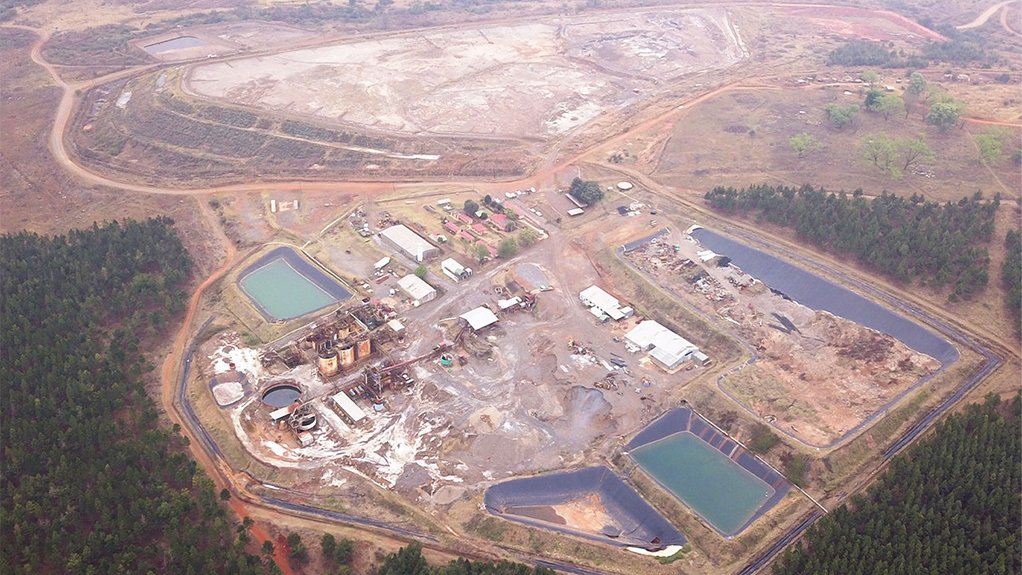
Sudan is intensifying efforts to formalize and revitalize its gold mining sector, which has become the country's most critical non-oil source of foreign exchange. The state-owned Mineral Resources Company has announced the arrival of 16 specialist firms to South Kordofan to process mining waste and strengthen activity in the war-affected region.
The initiative aims to open new mining sites, enhance regulatory oversight, and improve working conditions. It includes conducting a comprehensive inventory of production inputs and evaluating environmental violations to ensure compliance with standards. This push aligns with ongoing government measures, including a 2025 ban on private gold sales that designated the Central Bank of Sudan as the sole legal buyer and exporter, targeting widespread smuggling.
Official statistics indicate gold production surpassed 64 tonnes in 2024, rebounding from lower levels earlier in the year. However, the sector remains dominated by artisanal and small-scale mining, which accounted for an estimated 83% of declared output. These informal operations often rely on hazardous techniques using mercury, cyanide, and other toxic chemicals, leading to severe environmental damage and health risks in local communities.
The gold economy is deeply intertwined with Sudan’s civil war, with armed factions and external actors competing for control over mining areas and revenues. A significant portion of gold is smuggled out through neighboring countries to Gulf markets, undermining state revenue and complicating regulatory efforts.
While the arrival of processing firms signals a step toward greater formalization and efficiency, experts emphasize that sustainable growth in Sudan’s mining sector will ultimately depend on stronger governance, environmental protections, and the resolution of the broader political and security crisis.
Related Articles

Investigation uncovers fraudulent identity documen...
10 Sep, 2024 08:08
The Top Five Gold-Producing Countries in Africa in...
10 Sep, 2024 08:46
AngloGold notes ‘enormous geological potential’ in...
10 Sep, 2024 09:29
Awalé Resources expands BBM gold zone at Odienné p...
10 Sep, 2024 11:38
Proposed amendment: Gold mines to be subject to th...
10 Sep, 2024 12:39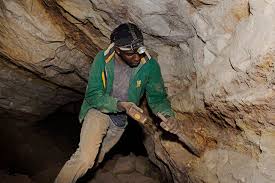
Pan African Resources Annual Result Improves; Expe...
12 Sep, 2024 07:42
African countries are joining the sovereign gold-b...
12 Sep, 2024 08:07
Platinum Group Metals Ltd. Announces Positive Inde...
16 Sep, 2024 09:11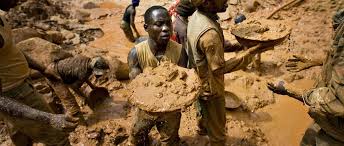
At least 20 likely dead in violence near Papua New...
16 Sep, 2024 10:37