Precious Metals

Namib Minerals Plans Redwing Gold Mine Restart in Zimbabwe, Aiming for Major Output Growth


Namib Minerals plans to produce 300,000 ounces of gold per year in Zimbabwe over the medium term, supported by an investment programme of at least $300 million to restart two gold mines. Around $200 million of this amount is allocated to the Redwing project.
The expansion plan comes amid a sharp rise in gold prices this year, with analysts expecting the rally to extend into the coming months.
Untapped potential
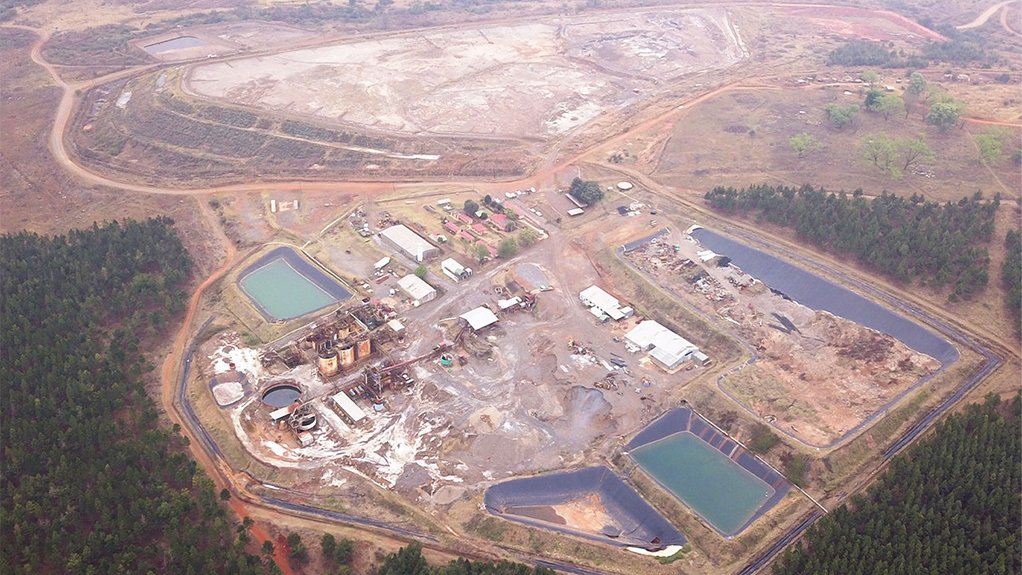
In an update released in late November, Namib Minerals said preparatory work had begun at Redwing, including the dewatering of underground workings. The company aims to assess underground conditions, refurbish infrastructure and lay the groundwork for a phased increase in production.
The mine, which operated between 1981 and 2023, produced about 650,000 ounces of gold, well below its estimated potential.
Namib said Redwing hosts mineral resources of around 2.5 million ounces, including 1.18 million ounces in the measured and indicated categories, making it the company’s largest gold asset. It added that an extensive exploration programme could double the resource base to 5 million ounces.
By comparison, How Mine, Namib’s only producing asset in Zimbabwe, is expected to generate between 24,000 and 25,000 ounces of gold this year.
To unlock Redwing’s potential, the company said it is reviewing several financing options, including strategic partnerships and debt funding.
Namib Minerals “is in dialogue with multiple capital providers to support its growth plans. The Company’s estimated funding requirement amount is preliminary and subject to completion of feasibility studies, final engineering outcomes, market conditions, and equipment costs and other risks and uncertainties,” the company said.
Supportive gold market
Although no financing agreement has yet been announced, Namib is operating in a favourable market environment, both globally and domestically. Gold prices are up about 65% this year and are trading above $4,000 an ounce, driven by demand for safe-haven assets.
The rally has been fuelled by heightened geopolitical and economic uncertainty, a weaker U.S. dollar and strong price momentum, according to the World Gold Council. Central banks and investors have increased their gold holdings as part of broader diversification strategies, it said.
The World Bank expects gold prices to remain elevated through 2026. Analysts at major U.S. banks, including JPMorgan and Bank of America, have forecast prices could reach $5,000 an ounce next year, supporting demand and improving the outlook for gold producers.
At the same time, Zimbabwean authorities have moved to preserve the sector’s investment appeal. In mid-December 2025, the government dropped plans to raise gold royalties to 10% in 2026 from 5%, following warnings from mining companies that the measure could undermine the viability of existing and planned projects.
IMG2 copy copy copy
While market conditions are supportive, Namib’s ability to benefit will depend on execution, timelines and its capacity to navigate operational and financing risks. The key challenge will be bringing Redwing into production while gold prices remain strong.
Related Articles

Investigation uncovers fraudulent identity documen...
10 Sep, 2024 08:08
The Top Five Gold-Producing Countries in Africa in...
10 Sep, 2024 08:46
AngloGold notes ‘enormous geological potential’ in...
10 Sep, 2024 09:29
Awalé Resources expands BBM gold zone at Odienné p...
10 Sep, 2024 11:38
Proposed amendment: Gold mines to be subject to th...
10 Sep, 2024 12:39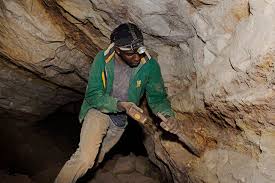
Pan African Resources Annual Result Improves; Expe...
12 Sep, 2024 07:42
African countries are joining the sovereign gold-b...
12 Sep, 2024 08:07
Platinum Group Metals Ltd. Announces Positive Inde...
16 Sep, 2024 09:11
At least 20 likely dead in violence near Papua New...
16 Sep, 2024 10:37